
First Friday Update – June Edition
Zoo Updates:
Sam at the Ballpark
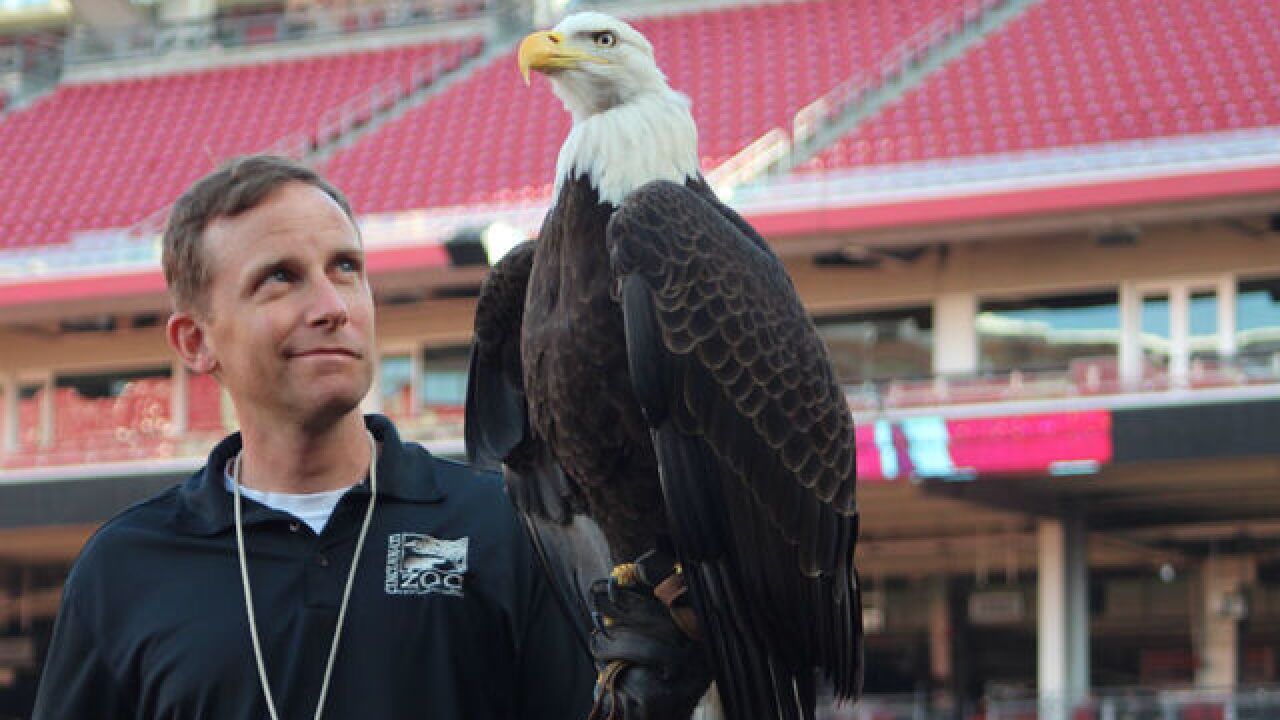
Sam the Bald Eagle is returning to Great American Ball Park for 3 flights at the end of the National Anthem this June.
June 3rd
June 17th
June 21st
All games start at 6:40. Sam will fly between 6:25 and 6:30 so get to the ballpark early. See the post below to see what other special treat will be available on June 21st.
Mai Thai has her own bobblehead! Go to https://t.co/1DmGYMoI5q to get yours before they sell out! This ticket package includes a bobblehead & a ticket to @Reds game on June 21. Bald eagle Sam will also be flying during the National Anthem at the games on June 3, June 17 & June 21 pic.twitter.com/xWxVxpUmvF
— Cincinnati Zoo (@CincinnatiZoo) May 31, 2022
AAZK Art Auction
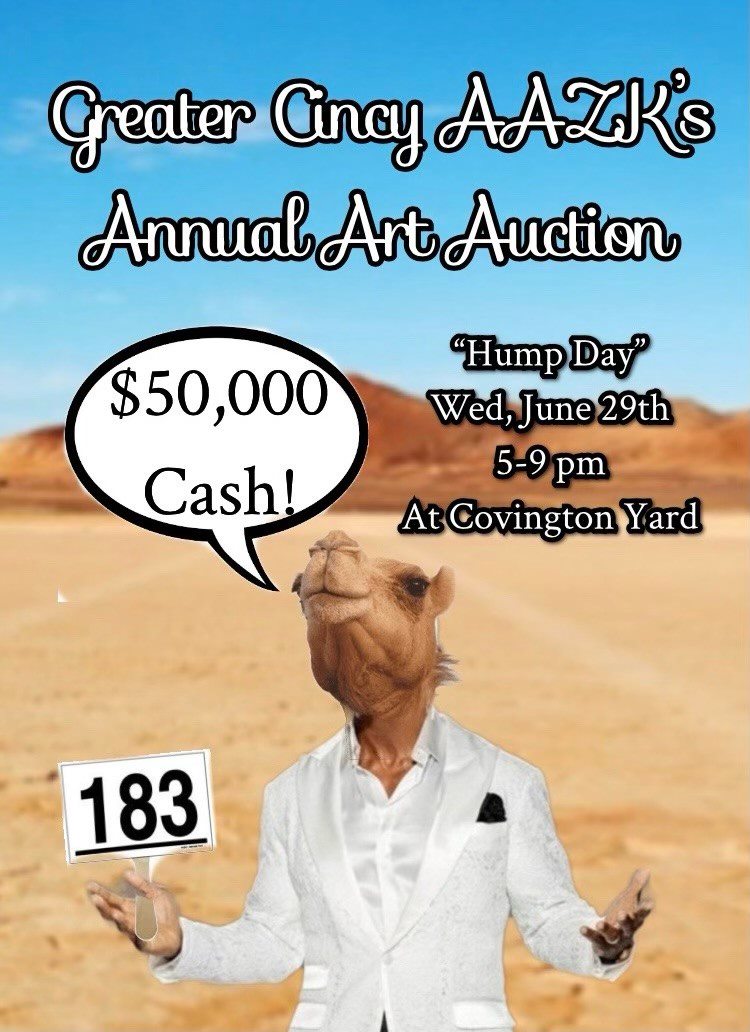
AAZK Art Auction Benefitting Wild Camels T-Shirt sale!
The votes are in for our search for the perfect camel themed slogan for this year’s AAZK Art Auction! ….And the winner is….Libby with her “I like Big Humps and I cannot Lie” suggestion!! Thanks to everyone that participated! You guys made it a really tough decision!
If anyone is interested in purchasing a t-shirt, tank top or even just donating, click the link below! Sales will end on June 8th, so make sure to grab yours before then!!
Link: Join me in supporting our new campaign Greater Cincy AAZK; Wild Camel Protection Foundation
Click Here for the Link
Thanks again for all your support and we can’t wait to see everyone June 29th at this year’s auction!
GCCAAZK Art Auction Committee
Summer in Full Swing
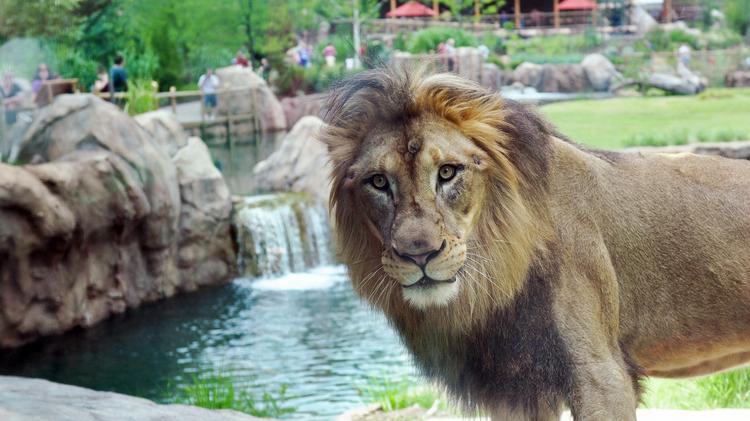
Click the link below to learn about what makes summers at the zoo EXTRA exciting!
Click Here to Read More
Cheetah Encounter
Cheetah Encounter Cheetah Runs have begun, don’t miss your chance to see the Cheetah Encounter this summer!
Running into the weekend 😻 https://t.co/0HOTAKc6z6 pic.twitter.com/rFaIpSgDzK
— Cincinnati Zoo (@CincinnatiZoo) May 21, 2022
World Turtle Day
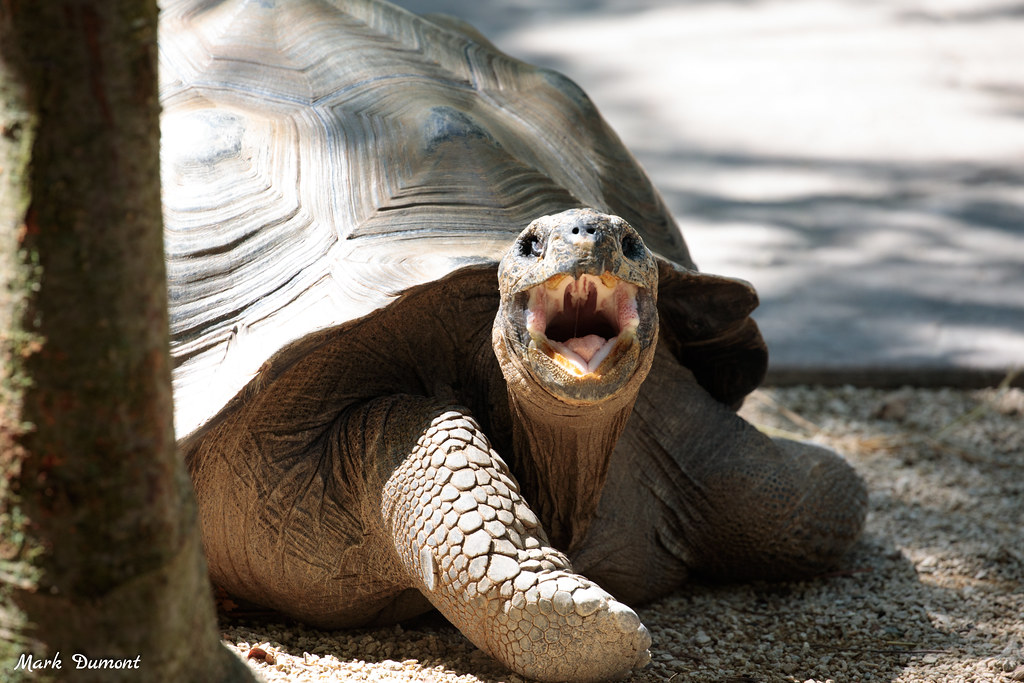
We “shellebrated” World Turtle Day on May 23rd! This is a day to help people celebrate & protect turtles & tortoises & their disappearing habitats around the world. With few natural predators & competitors for food, the Galápagos tortoise grew over time into the largest in the world.
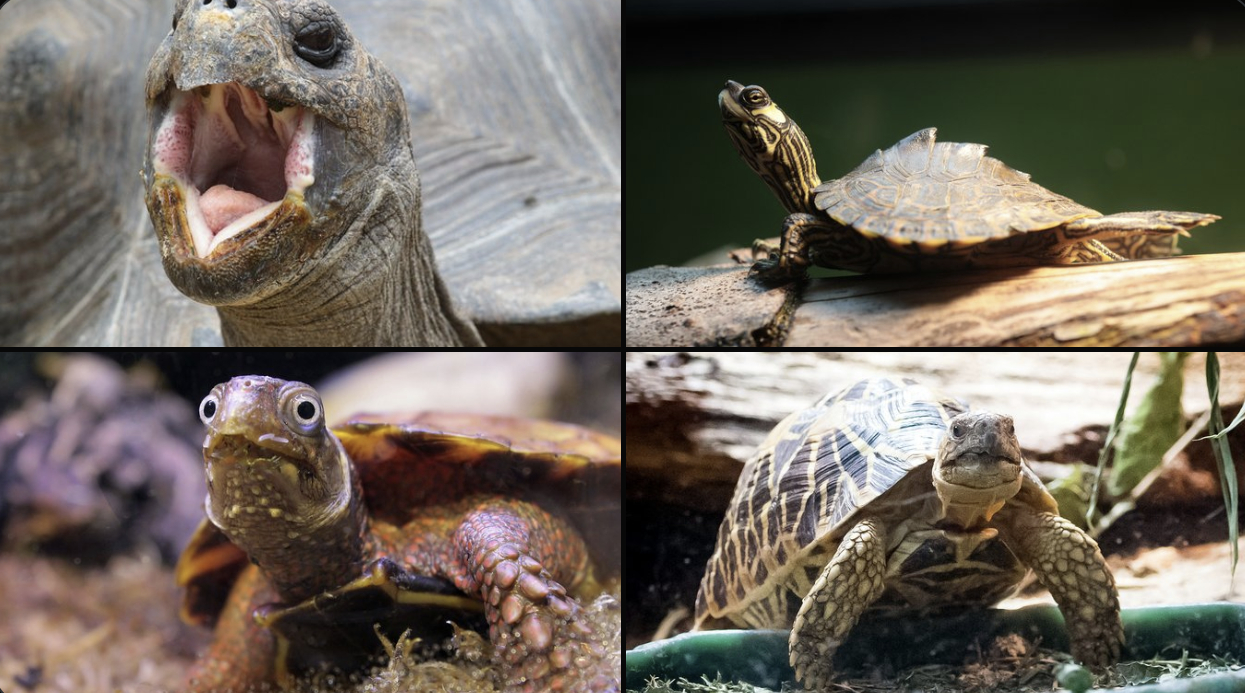
The Cincinnati Zoo is home to many amazing species of turtles and tortoises. This day is designed to protect turtles & tortoises & their disappearing habitats around the world.
Kanga Klimb
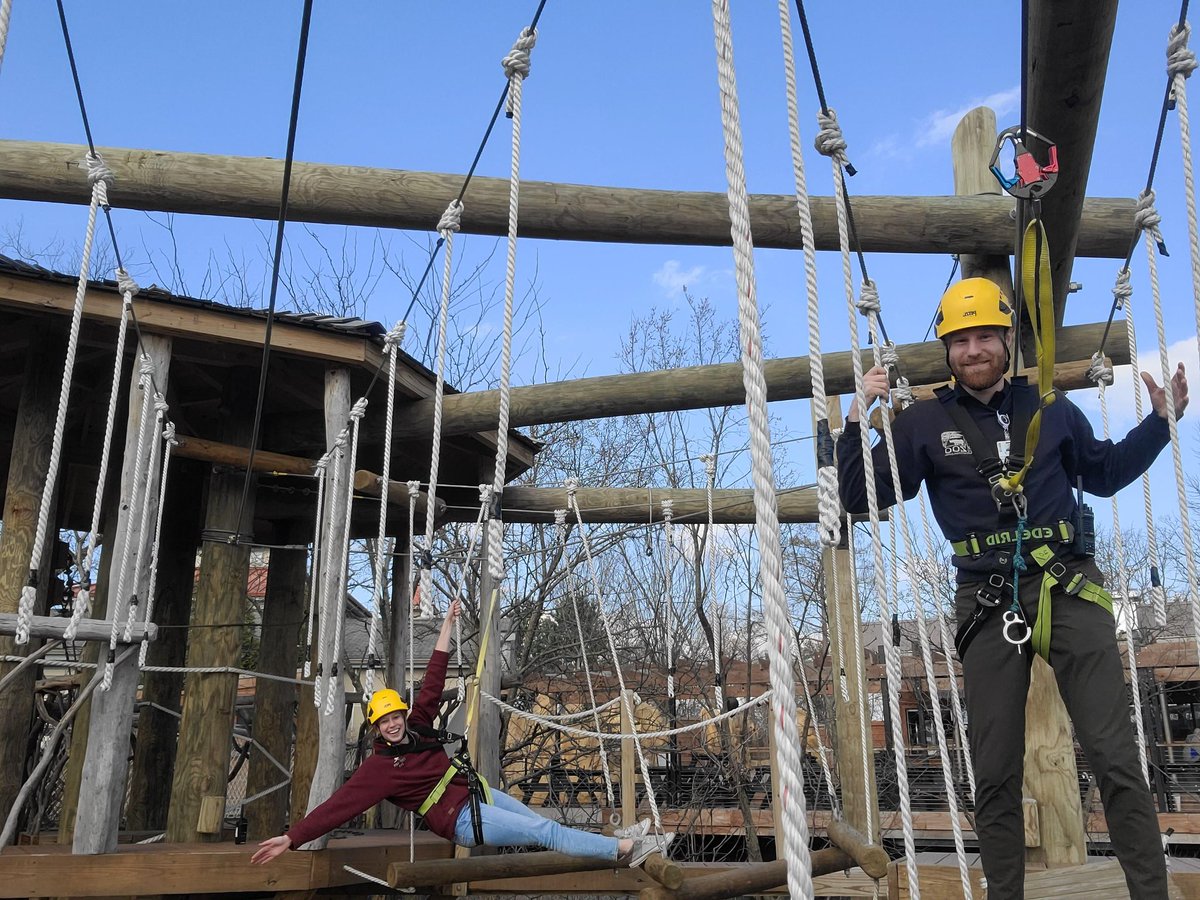
Kanga Klimb is OPEN for the season! Don’t miss your chance to test your bravery and face the ropes course!
World Otter Day
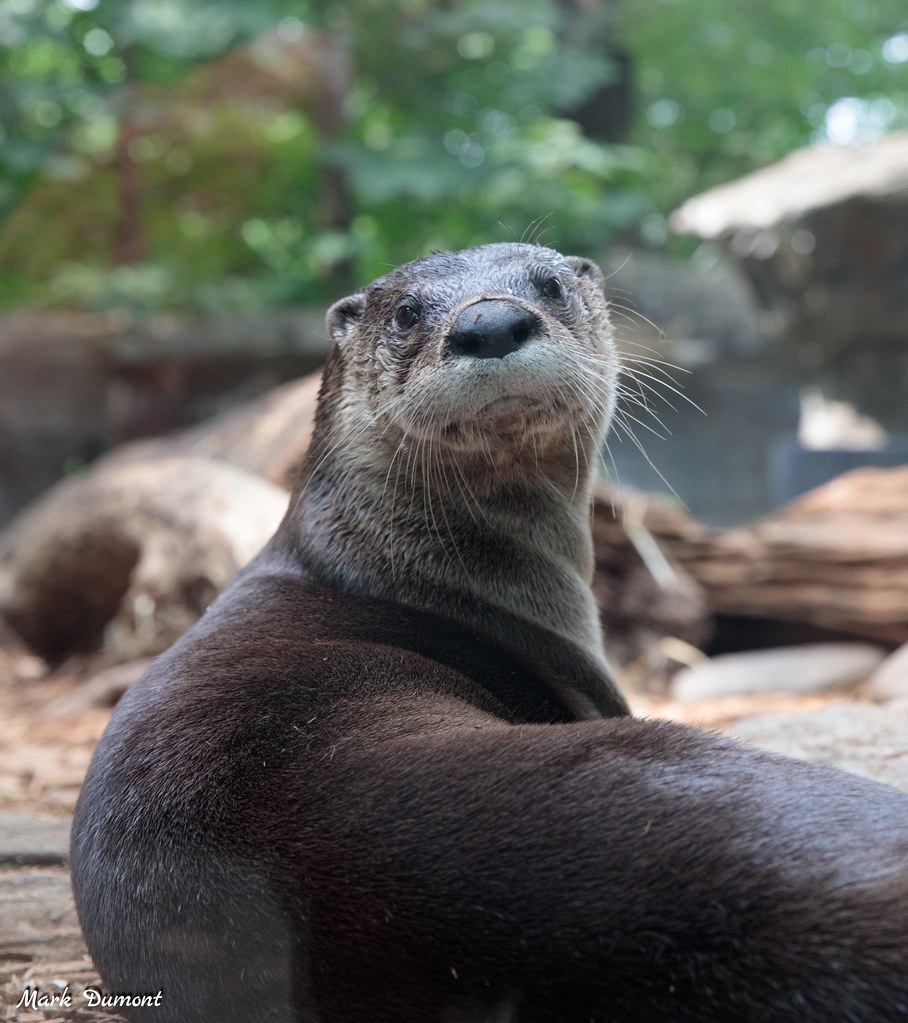
May 25th is #WorldOtterDay. Did you know otters are the only aquatic members of the weasel family?
The river otter is famous for its playful antics – mud sliding, water sports and manipulating objects – which increases coordination and sharpens hunting skills. #WorldOtterDay 🦦 pic.twitter.com/3xvPfYJAfY
— Cincinnati Zoo (@CincinnatiZoo) May 25, 2022
Register Your Garden
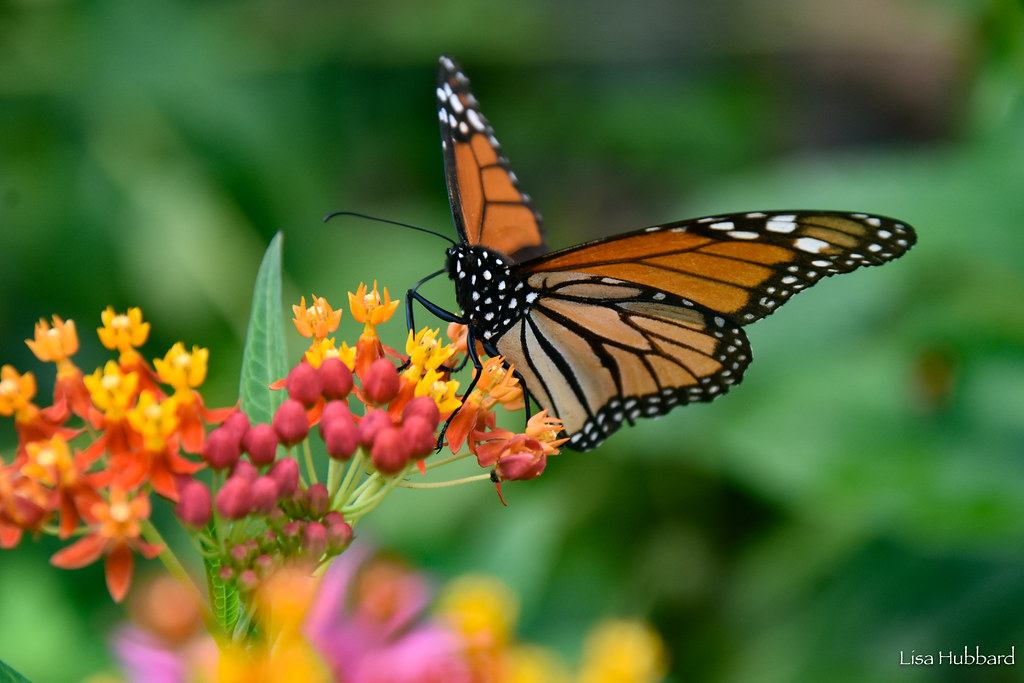
From butterflies and bees to hummingbirds and moths, pollinators are critical to the health of our environment. They’re also important in our food production systems, as they pollinate one-third of the world’s crops.
Click Here to Register your pollinator garden
Zoo La La
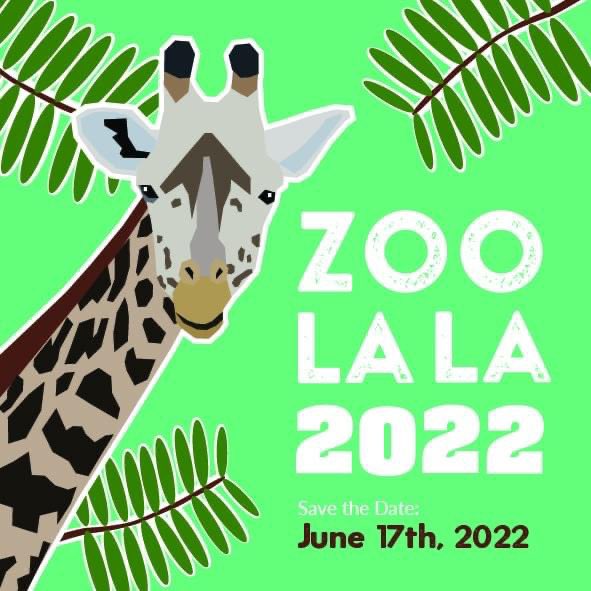
Limited tickets remain for Zoo La La on June 17! (Brought to you by Ft. Washington Investment Advisors, Inc) Purchase tickets by using the link below.
World Parrot Day
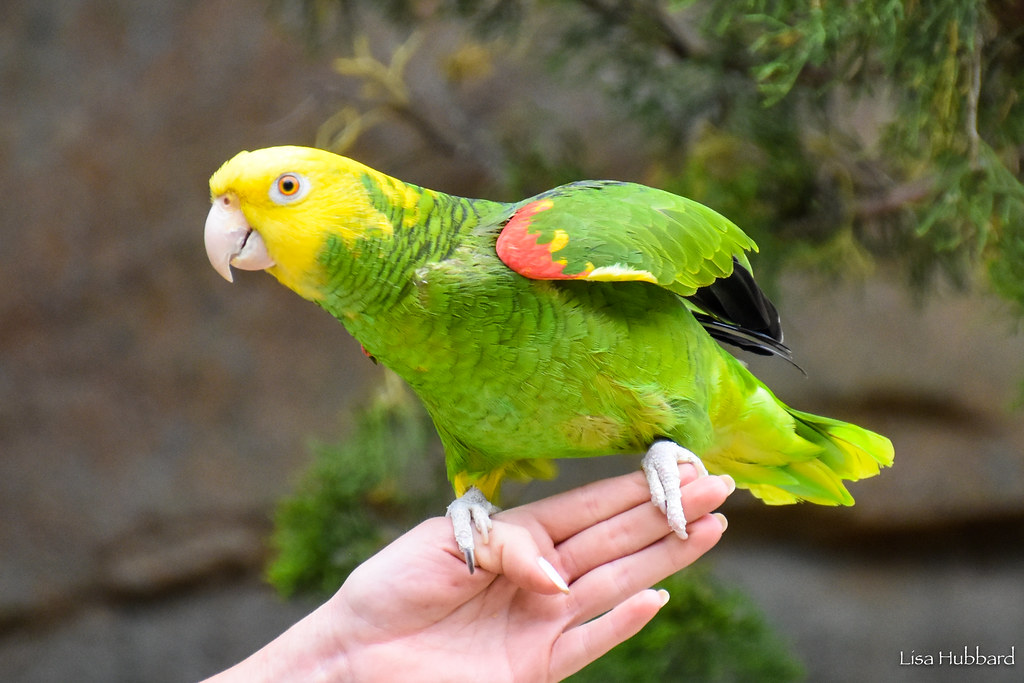
Today is World Parrot Day! These remarkable birds need protecting in the wild. Nearly 1 in 3 parrot species are threatened in the wild due to habitat loss & the pet trade. See our birds & learn more during the Ameritas Wings of Wonder Bird Experience.
Celebrating Pride Day at the Zoo
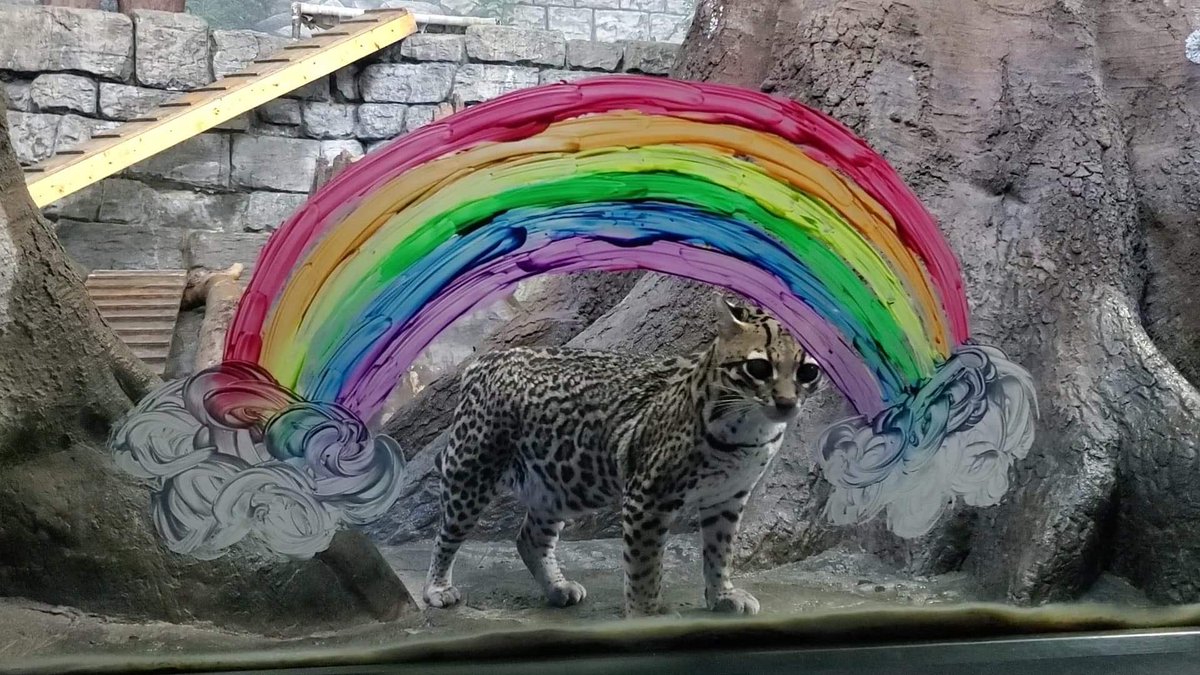
June 26th is a very special day at the Zoo! Join us for Pride Day at the Zoo! There will be special treats available for purchase, special animal enrichment and so much fun.
Click Here to Read More about Pride Day
Happy Pride! The Cincinnati Zoo celebrates the diversity of our plants & animals, staff, visitors & community. We believe the Zoo should be a place where everyone can be themselves & we strive for the Zoo to be a place where differences are recognized, welcomed & celebrated 🌈 pic.twitter.com/VvkspSDzS1
— Cincinnati Zoo (@CincinnatiZoo) June 1, 2022
ZooTales
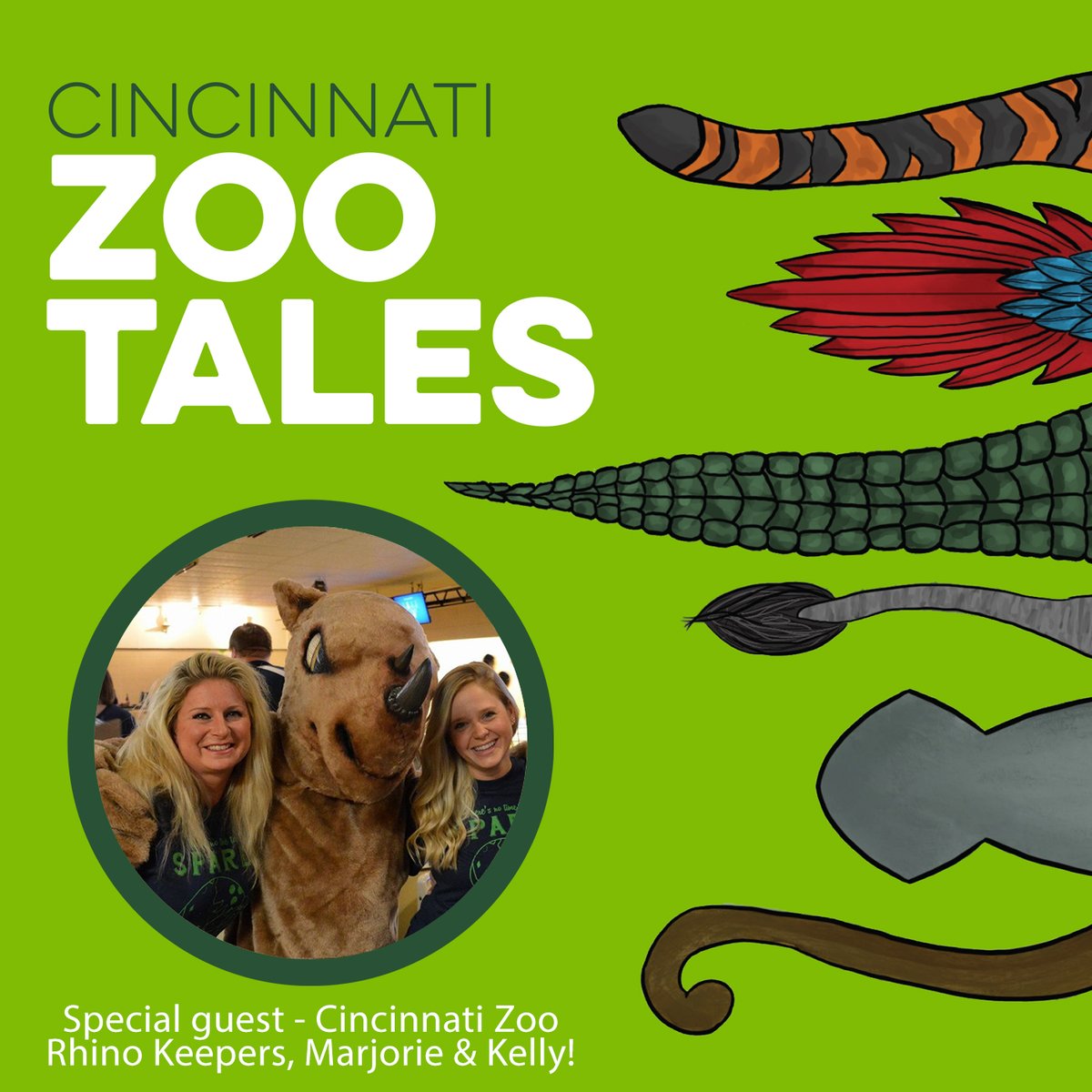
Hear keepers Kelly and Marjorie talk about caring for black rhinos Seyia, Faru and baby Ajani Joe and learn how you can help critically endangered rhinos in this brand new episode!
Click Here to Listen
Just For Fun:
Fiona Fun
Can anyone else relate to this video? I put the oreos on the top shelf of the pantry to discourage myself from eating them, but 9 times out of 10, I am on tippy toes to reach them.
Fiona will go to any heights for a good snack 🤣 #teamfiona pic.twitter.com/vz79IPYUxL
— Cincinnati Zoo (@CincinnatiZoo) May 20, 2022
Baby Rockhoppers
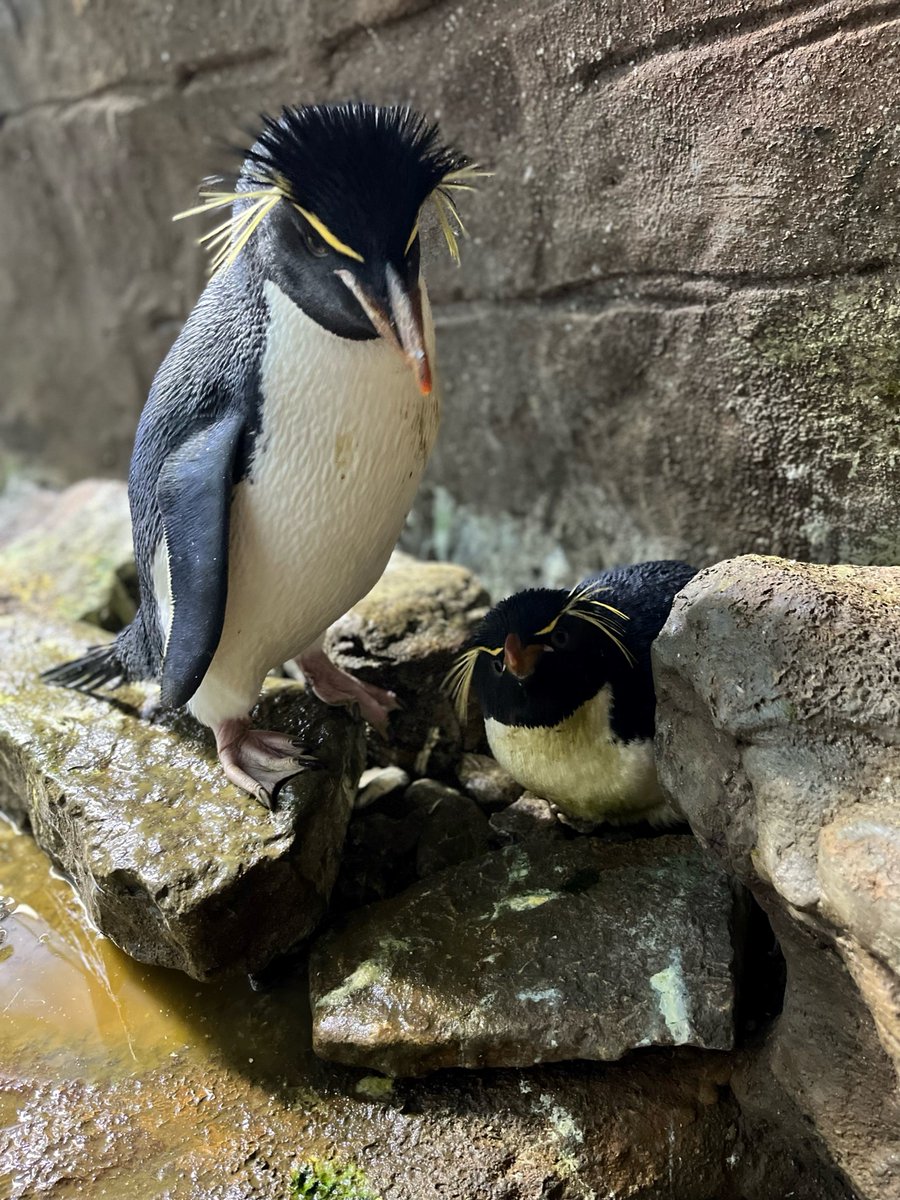
Rockerhopper penguins Eaco & Webster are sitting on eggs!
Zip
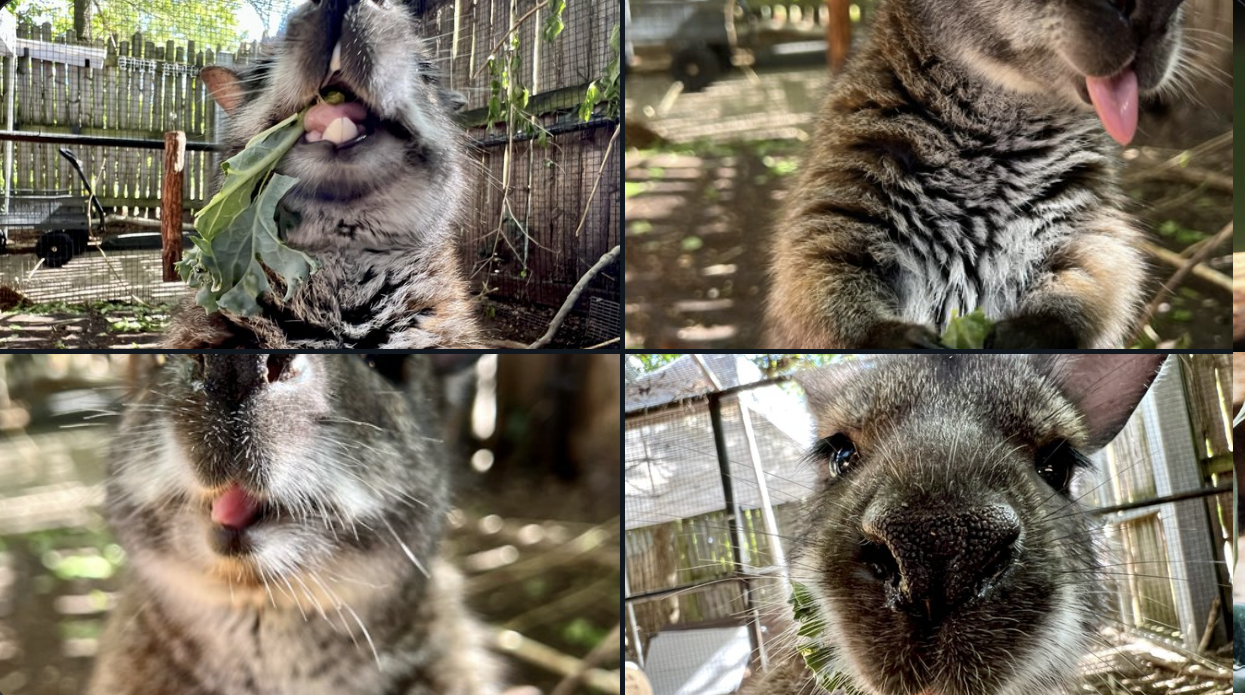
The many faces of Zip the Wallaby!
Tucker
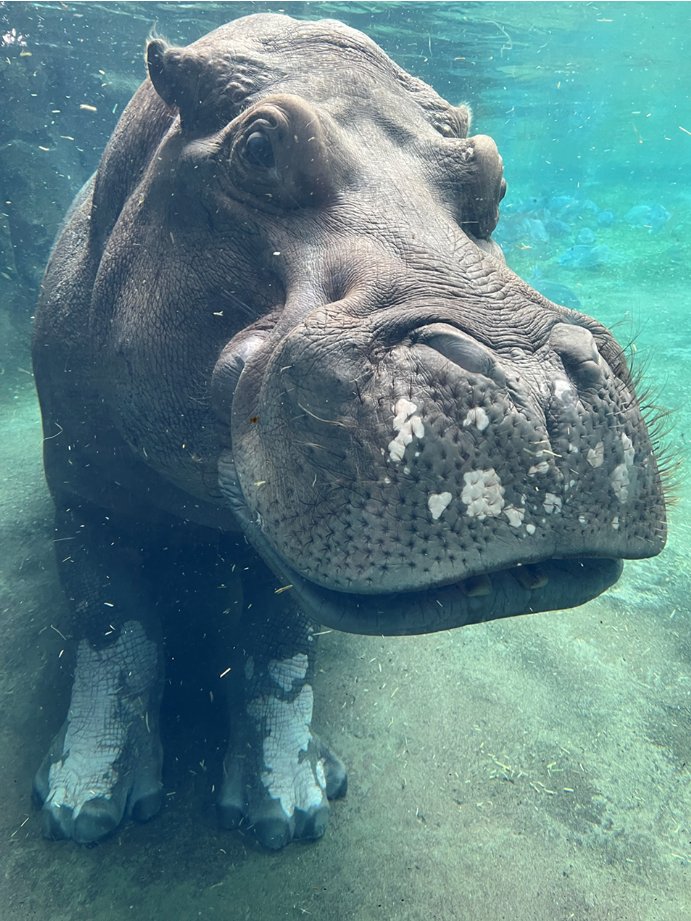
Sweet Tucker! Hippos spend the majority of the day soaking in water or mud to keep their skin moist and bodies cool. When submerged, just their eyes, ears and nostrils stick out of the water so they can still see, hear and smell what’s going on around them.
Moe
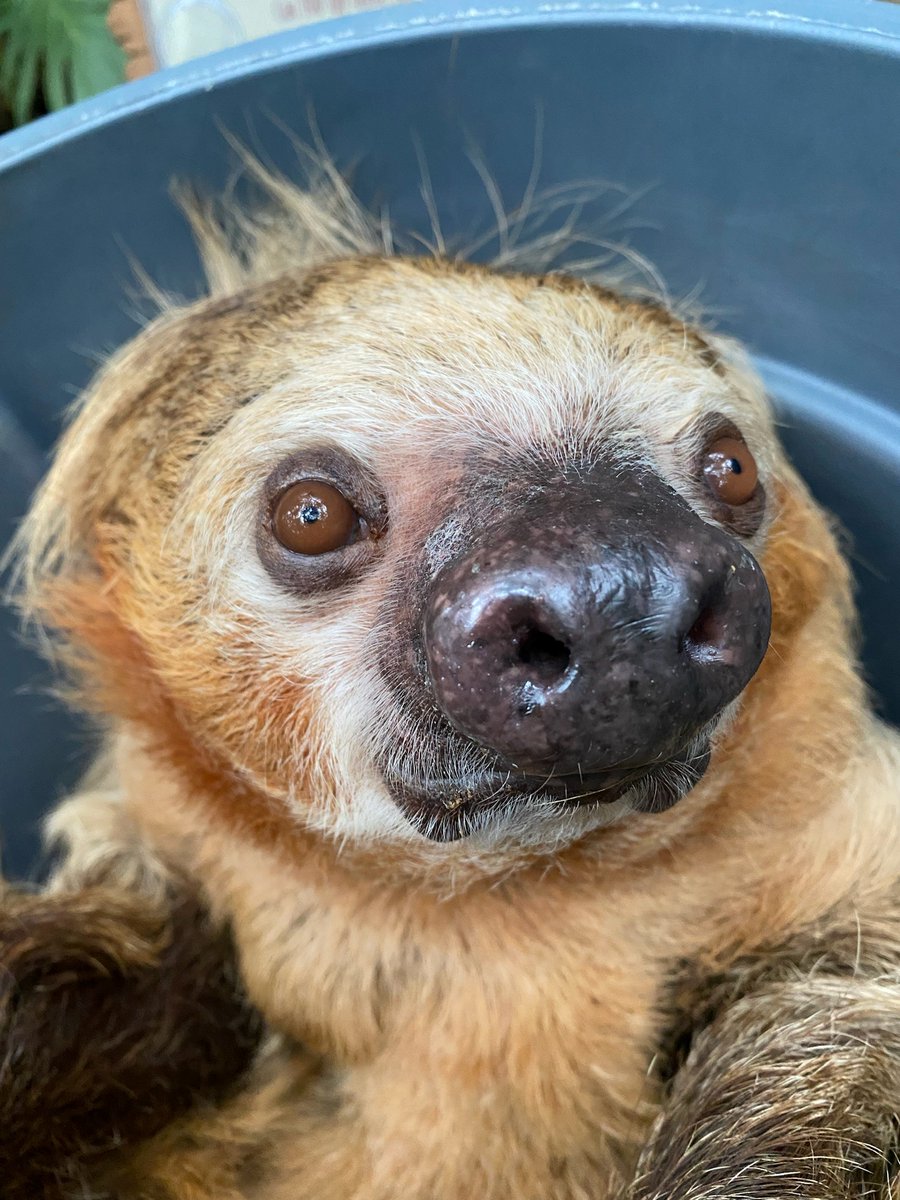
Moe the sloth! While most mammals’ hair grows from its back to its belly, the sloth’s fur grows from its belly to its back so that rain runs right off of a hanging sloth.
Pam
Pam the ostrich dances through the savanna! This great video is brought to you by Great American Insurance Group. pic.twitter.com/wBh3JQniPD
— Cincinnati Zoo (@CincinnatiZoo) May 26, 2022
Bibi’s Latest Ultrasound
Bibi’s latest ultrasound showed some happy feet dancing around! ❤️👣 pic.twitter.com/qoBjWJzI3D
— Cincinnati Zoo (@CincinnatiZoo) May 27, 2022
Infared Imaging
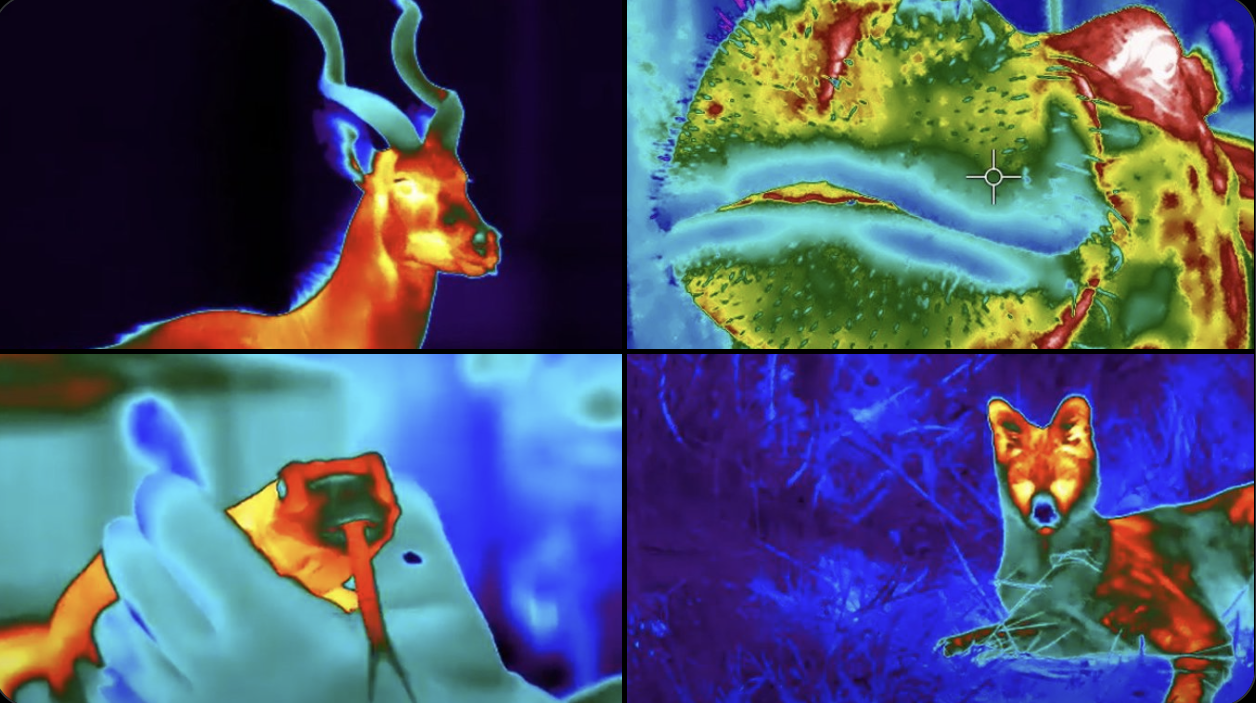
New photos from CREW’s remote infrared imaging project!
Click Here to Read More
Myrtle
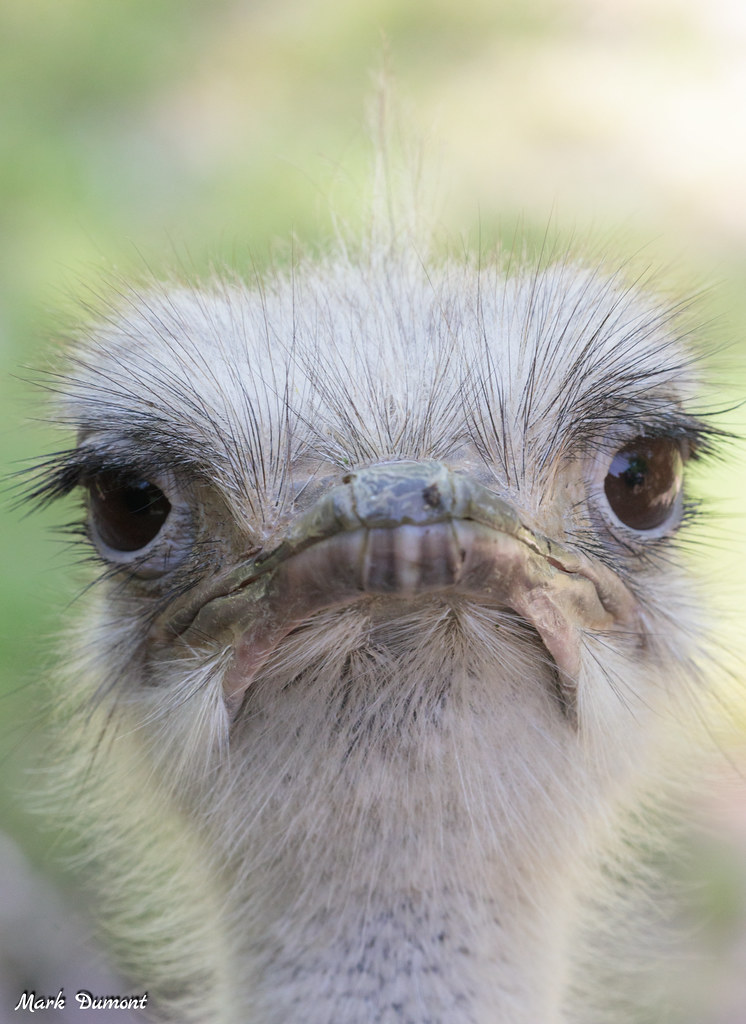
Myrtle’s face showing her Monday mood… I don’t know about you, but this is the look I have most Mondays.
It’s getting Hot out there
Check out the cute video below to see some Painted Dogs taking a dip in their pool.
Click Here to Watch
Hippo Footprints
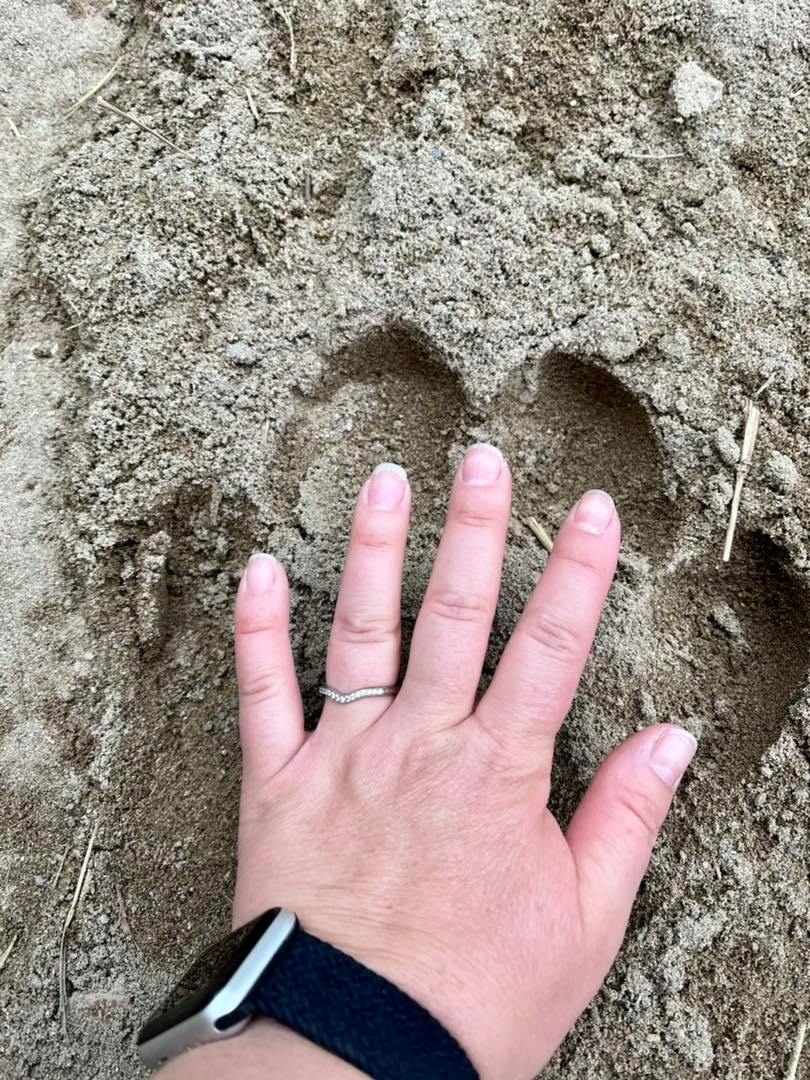
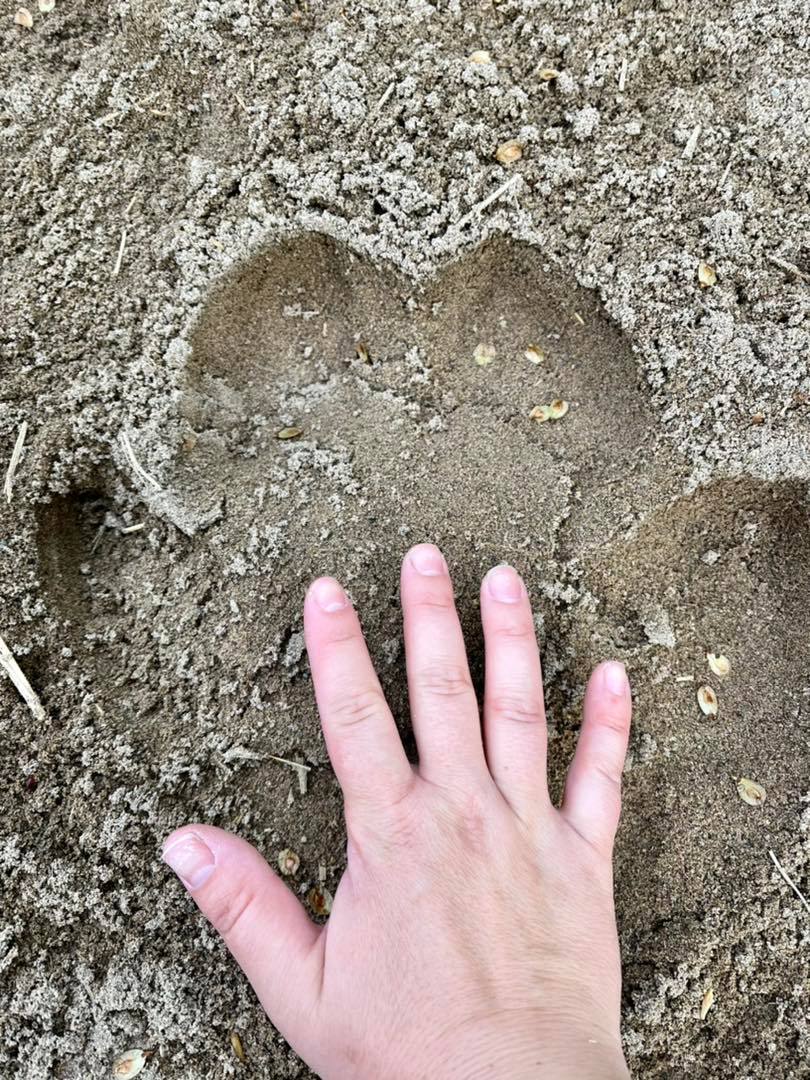
Check out the difference in size of the hippo footprints below. Fiona’s is first and Tucker’s is second!
90 Second Naturalist
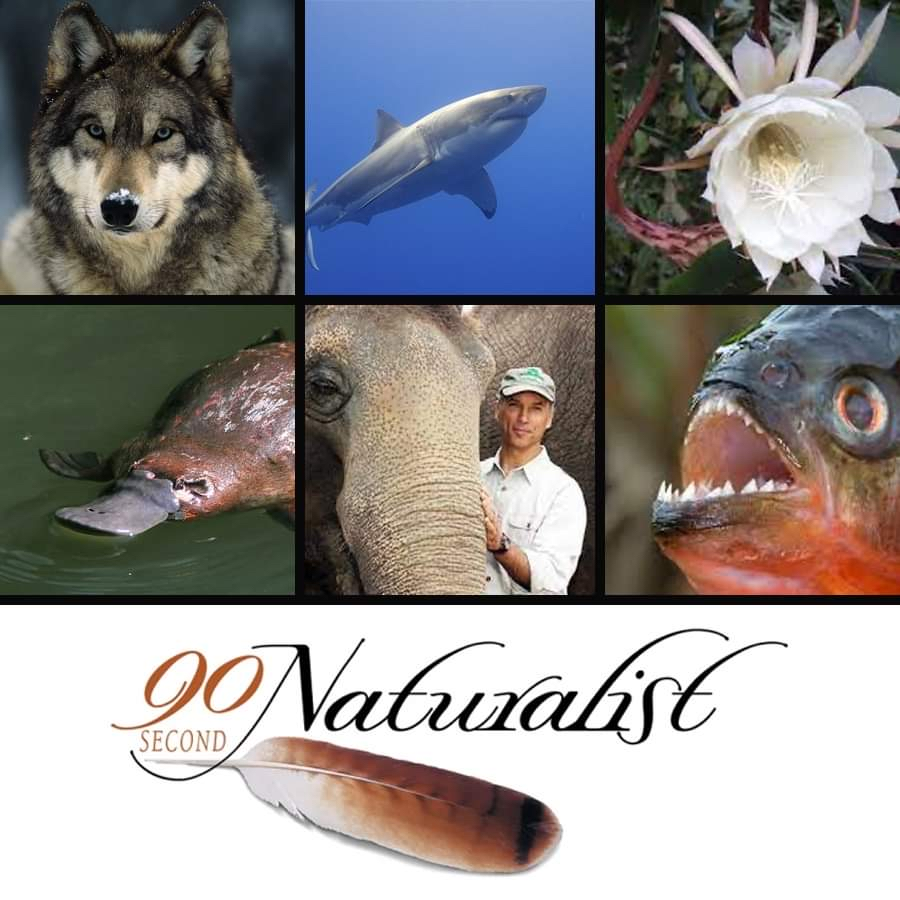
I am sure all of you know, Thane Maynard has been recording his signature radio segment “90 Second Naturalist” since 1987. But did you know you can STILL make your own unexpected discovery in ninety seconds every weeknight at 9:00pm on WVXU 91.7, as well as member stations all across the country. Wolves, Night Blooming Flowers, Sharks, Piranhas and the Platypus are just a few examples of what has recently been discussed on Thane’s program. Lucky for all of us, you can listen to these 90-second segments any time you want. I caught up on about 10 just while I have been writing this message! Do yourself a favor…listen and enjoy!
Click Here to Discover past 90 Second Naturalist Segments
Plant & Animal Information:
Meet Rozi
Our sweet little Cheetah Cub has a name! She has been given the name Rozi (pronounced ROH-ZEE). To learn what her name means, why it was chosen and more information on the Cat Ambassador Program, click the link below.
https://cincinnatizoo.org/news-releases/meet-rozi/
Knowing that the cub would need to be hand reared, the Species Survival Plan id’d Cincinnati Zoo as the best place for this cub to be raised. Once she is older, she will be a part of our Cat Ambassador Program & join our running cheetah ambassadors in Kroger Cheetah Encounter! 🐆
— Cincinnati Zoo (@CincinnatiZoo) May 23, 2022
Meet Rozi (pronounced “Rosie”)! Her name means means rose (or flower) in Swahili. In addition to spending time with her care team, the Zoo plans to pair Rozi with a puppy! 😻 Learn more: https://t.co/zHMIwypjwc pic.twitter.com/SDrlT0PCU2
— Cincinnati Zoo (@CincinnatiZoo) May 27, 2022
Meet Zero
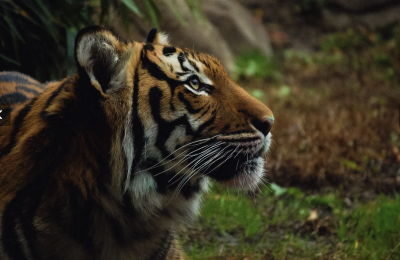
Keep an eye out for our new male tiger, Zero! He is in the lower yard with the glass window. He is still getting used to his new environment so he may not choose to stay outside. Our other new tiger, Jin, has safely arrived from Tulsa! The two will not have a breeding recommendation.
What’s Blooming around the Zoo?
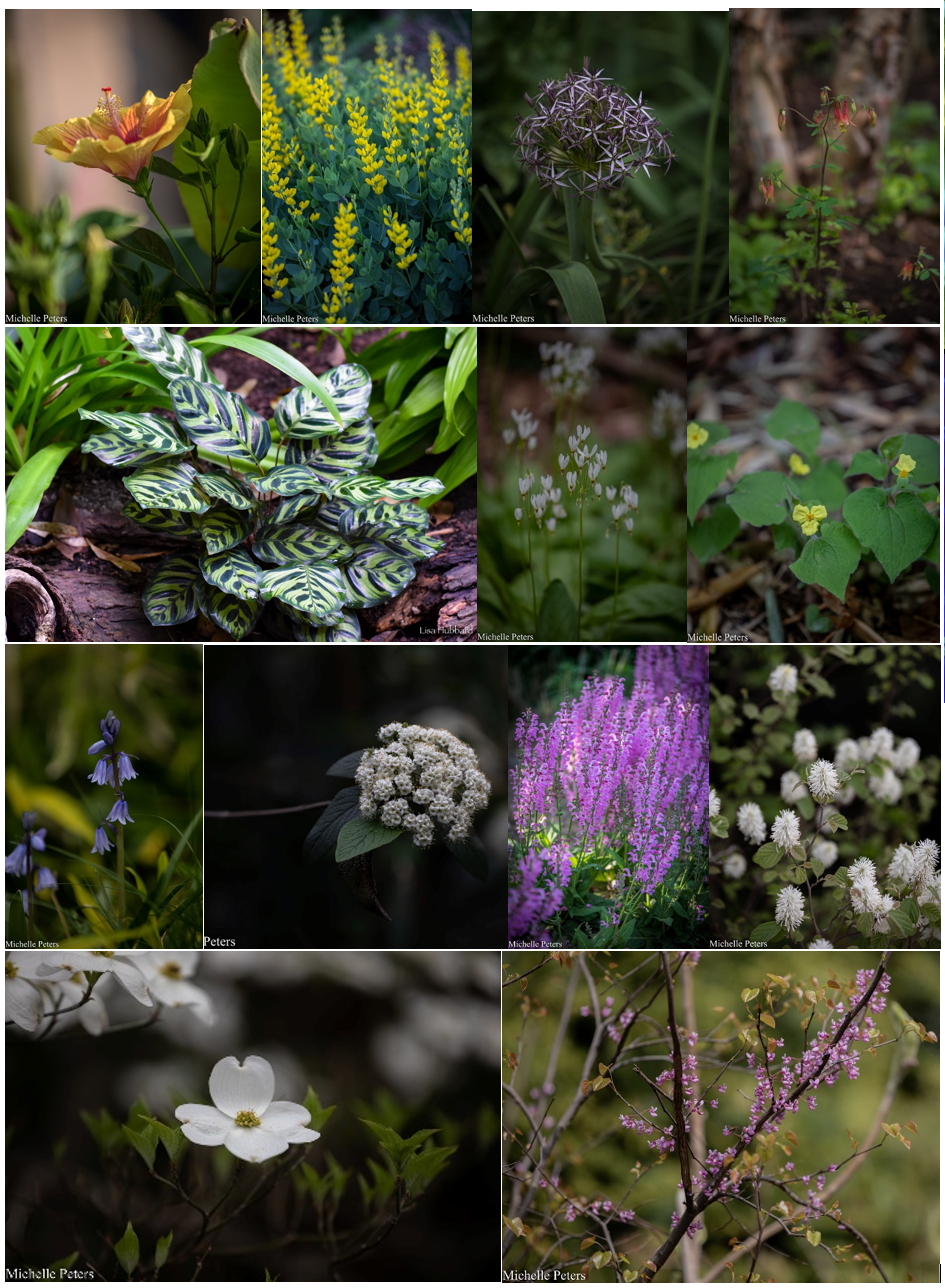
Have you found any (or all) of the beautiful plant pictured below?
Meerkat
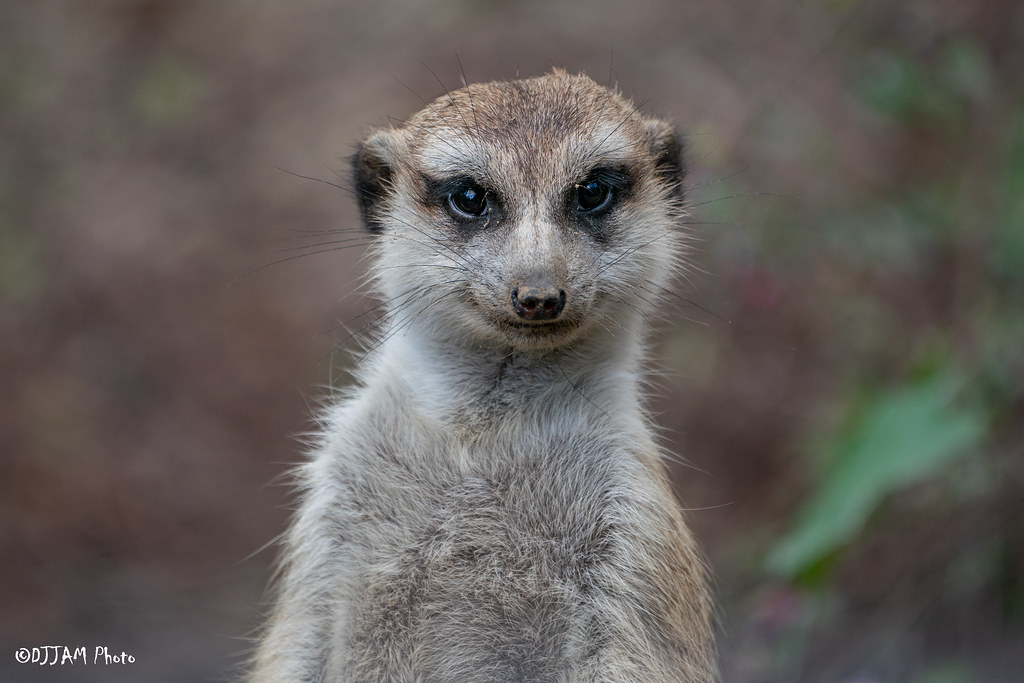
In the early morning, meerkats stand tall on their hind legs, exposing their bellies to the sun to warm up before the day’s foraging activities can begin. A nearly bald patch of darker skin acts like a solar panel to soak up the sun’s rays.
Coco
1 in 3 parrot species are threatened in the wild due to habitat loss & pet trade. In 2021, Coco's species, the yellow-naped amazon parrot, was declared critically endangered. We’re involved in field projects helping wild parrots including: https://t.co/IQCGhnAoRI #WorldParrotDay pic.twitter.com/y1eSRFn2DJ
— Cincinnati Zoo (@CincinnatiZoo) May 31, 2022
Bowyer Farm Wildflower Project
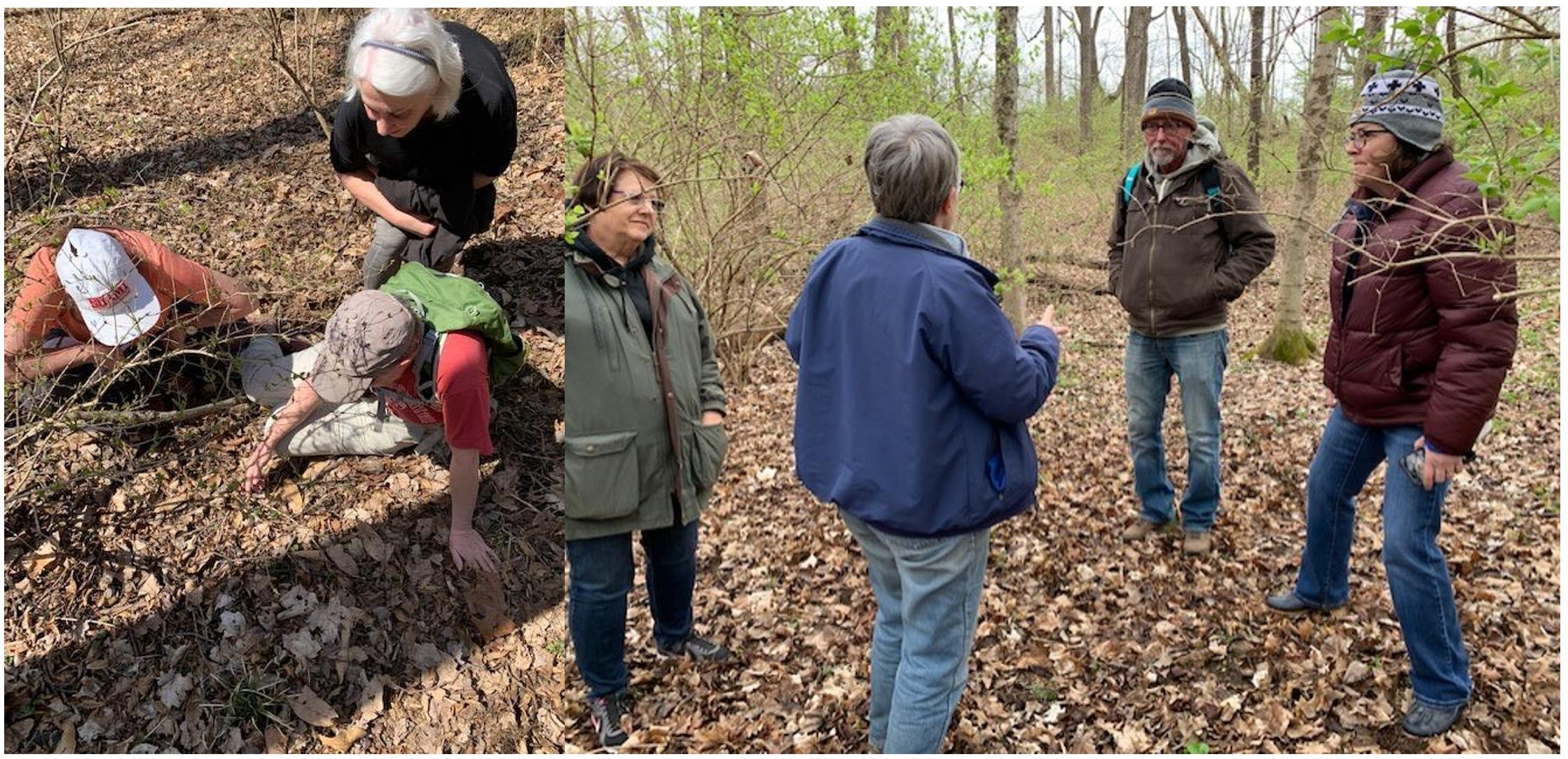
Led by wildflower enthusiast Carol Trosset, a group of volunteers are working to map wildflowers in Bowyer woodlands. Carol grew up in Evendale helping her parents establish native wildflowers in their acre of woods. As a teenager she studied natural history in the Cincinnati Zoo’s Junior Zoologists’ Club. During her career as a social scientist, she continued to explore nature in various parts of the country and overseas. Carol recently retired back to Cincinnati and now lives in Woodlawn.
Our team meets weekly to explore, discover and log the many Bowyer wildflowers. Beginning in late February, once the snow and ice were gone, we began seeing very small patches of green and now watch these first flowers emerge along with newer sprouts. We had hoped to locate some Skunk Cabbage in the vernal pools and have been carefully, and patiently, survey these soggy areas. Among those located include – spotted Cutleaf Toothwort, Rattlesnake fern, Bluebells, Trout Lily, Trilium sessile, Puttyroot orchid, Ramps and May Apples.
Rio
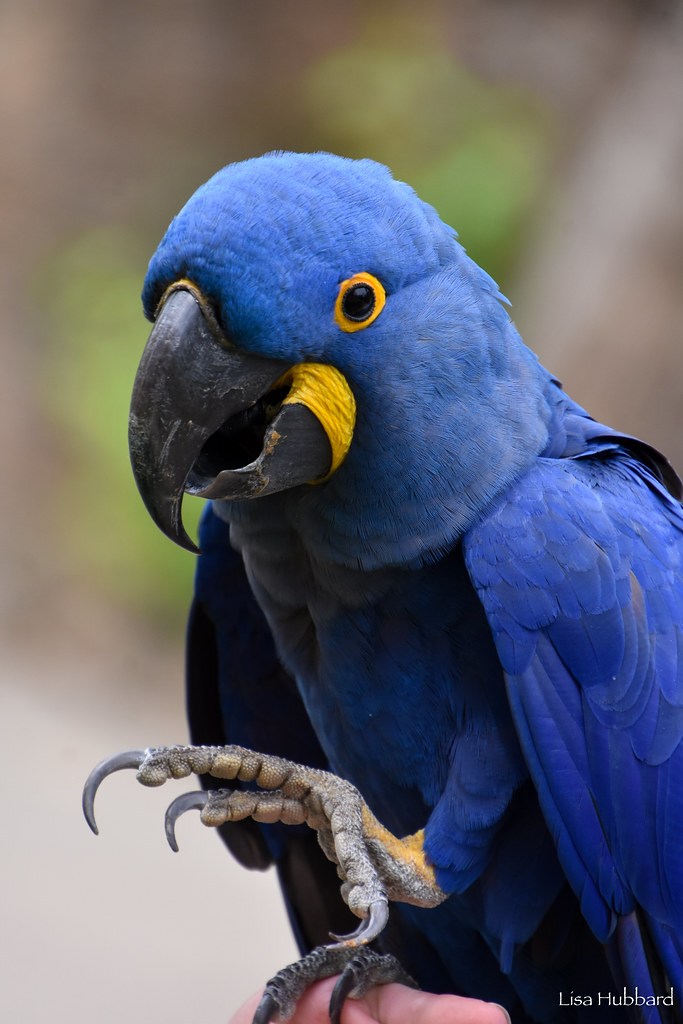
Rio, along with other parrots have Zygodactyl feet, which means two toes are pointed forward and two backward. This gives them the ability to perch on vertical surfaces, and use their feet as tools. Having Zygodactyl toes gives them the strength and dexterity to hold food items of all shapes and sizes. This also makes them great climbers! Other birds with this toe arrangement include woodpeckers and owls. Come see Rio fly during the Ameritas Wings of Wonder Bird Encounter
Conservation News:
Bowyer Farm Partners with CREW for Orchid Propagation – Danielle Kastor
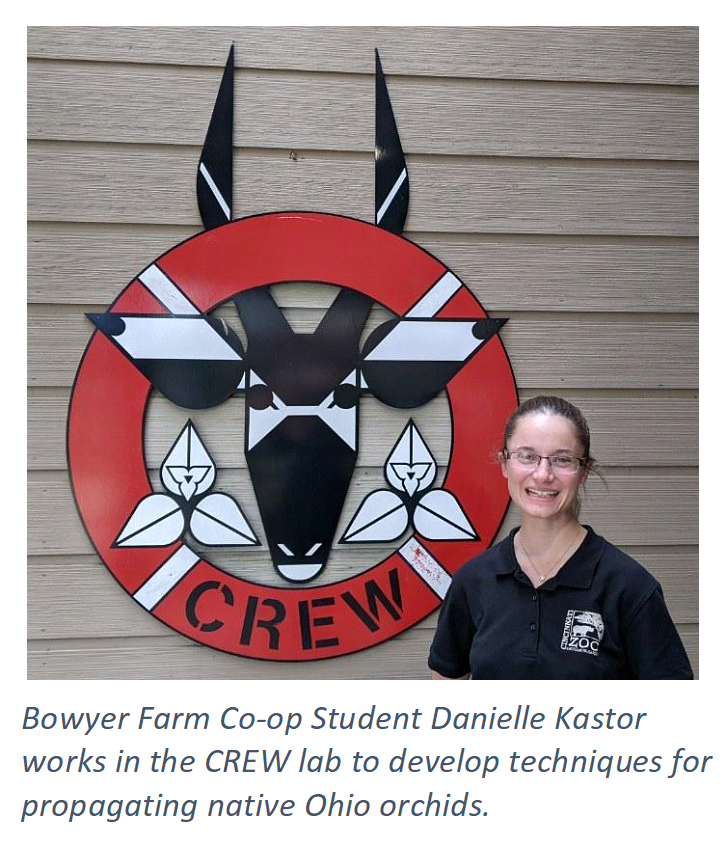
Orchids are notoriously beautiful flowers, but what most people don’t know is that there are well over 40 species of orchid native to Ohio. It is hard to imagine, with this many native orchids, why more are not seen in cultivation. This can be partially attributed to the difficulty faced with the process of orchid propagation.
Orchid species are often difficult to propagate given their susceptibility to mold and rot. In soil or potting media, the presence of naturally occurring bacteria or mold often contributes to low germination rates in orchids.
Despite all the challenges faced with orchid propagation, the team at The Cincinnati Zoo’s Bowyer Farm, home of the Cincinnati Zoo’s Native Plant Program, hopes to more efficiently propagate native orchids. That’s where CREW (Center for Conservation and Research of Endangered Wildlife) comes in. In the CREW plant lab, seeds are sterilized before being placed on agar developed to promote germination. This sterilization process varies from plant to plant but generally involves a diluted solution of household bleach and water that has been treated with reverse osmosis. After the seeds are sterilized, they are confined within a sterile hood and handled only with sterilized instruments. All agar used in the germination process is also run through an autoclave before ever coming in contact with the seeds. This autoclaving process ensures that it, too, is pathogen-free. All of the work is carefully documented so that it may be replicated for future processes. Although the project is on-going, it is hoped that the methods used can be employed to more easily propagate at-risk and rare native orchid species.
Asian Elephant Conservation
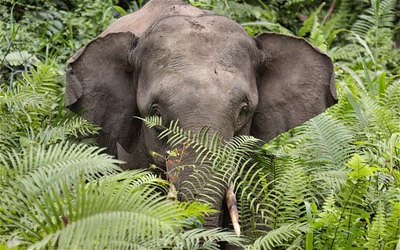
The second-largest population of Asian elephants in India can be found in the northeast state of Assam, which harbors approximately 5700 elephants within community lands, the Kaziranga National Park, and the Karbi Anglong landscape. Assam acts as a crucial link in the inter-state movement of elephants in northeast India and human-elephant interactions are becoming more problematic as populations and interactions increase (crop-raiding, damaging houses, human deaths, retaliatory killing or harassment of elephants, etc.). Deploying collars on elephants helps researchers monitor elephant locations and subsequent proactive action can be taken for the safety of life and property of community members.
CZBG is collaborating with Dakshin Foundation, Asian Nature Conservation Foundation (ANCF), and the Forest Department of the Assam government to carry out this elephant monitoring project. Dakshin is leading this project in terms of execution, whereas ANCF is acting as an honorary technical adviser. CZBG is supporting this project with the funds essential for planning, designing, and implementation. This project will help us collectively understand the different trends and patterns of these Asian elephants to predict landscape issues and opportunities in the future. This will help in designing responsive conservation efforts which can be data-driven, scientific, practical, and acceptable to society at large.
Email Update from Sanjay Ajanikar 5.23.22
Lily, David, and Thane,
I am thrilled to share with you that we deployed GSM radio collars on two individuals, a makhana [male] (246.4 cm shoulder height) and a female elephant (228.6 cm shoulder height) on 15th May 2022. We launched the operation on May 14th, and on the second day of the operation we deployed collars on the two individuals on the very same day.
Unfortunately, a collar on a makhana was found on the farm on 16th May morning. After a detailed investigation, we can say that the collar had been yanked out with force by another makhana, stronger and older than the collared individual, and could have received some support even from a sub-adult tusker. The collar is in working condition and transmitting signals. The collared makhna is a part of “3 male group”. A phenomenon of “2 male group” is well documented in Southern India as well, where adult and subadult male elephants and at times even different age group adult males join together to raid crops or pass through human habitation. This male group acts as a safety measure for sub-adult male elephants. With this case, we will be deliberating on whether including a lone individual- ‘not part of any group’ could be one more screening criteria while identifying the target male elephant.
On the other hand, the collared female and its collar are in good condition. Amlan and the forest department team sighted the female individual and collar on 16th May among 28-30 individuals. It seems that 3 herds joined together and they are on the move through the patches of forest post collar deployment. Amlan, I, and the forest department team tracked a collared individual in the dense forest on May 18th and sighted a collared female in the thickets. Now it has been a week and tracking data has been transmitting without any issues.
This data already started busting myths. Beat (forest) officers think that this herd with a collared female is a localised herd and doesn’t go out much beyond two beats-ranges. Although it is just a week-long data to conclude anything; however, this herd already traveled beyond these two ranges and for more than 70 km (surrogate used as a human road distance, elephant travel range will be calculated using different scientific method). It will be interesting to utilise this data as an early warning system and in the long run as inputs for strategic conservation planning.
The entire team from Dakshin-ANCF cannot thank you enough for the faith shown in us to support this research and conservation programme. We have already initiated the plan to re-deploy a dropped collar and a new satellite collar as early as Jan’23 followed by another two satellite collars by Oct’23. Herewith attached is a preliminary report submitted to Chief Wildlife Warden of State of Assam, India and a Divisional Forest Officer, Golaghat (where deployment had been carried out) for your quick reference. A detailed report will be shared within 3 weeks. We will be sharing a few pictures which can be used at your end for internal circulation as well as for social awareness purposes this week. I already initiated an approval process at the State forest Department Assam.
Kind Regards, Sanjay
Opportunities:
Free Flight Aviary Volunteer Opportunity
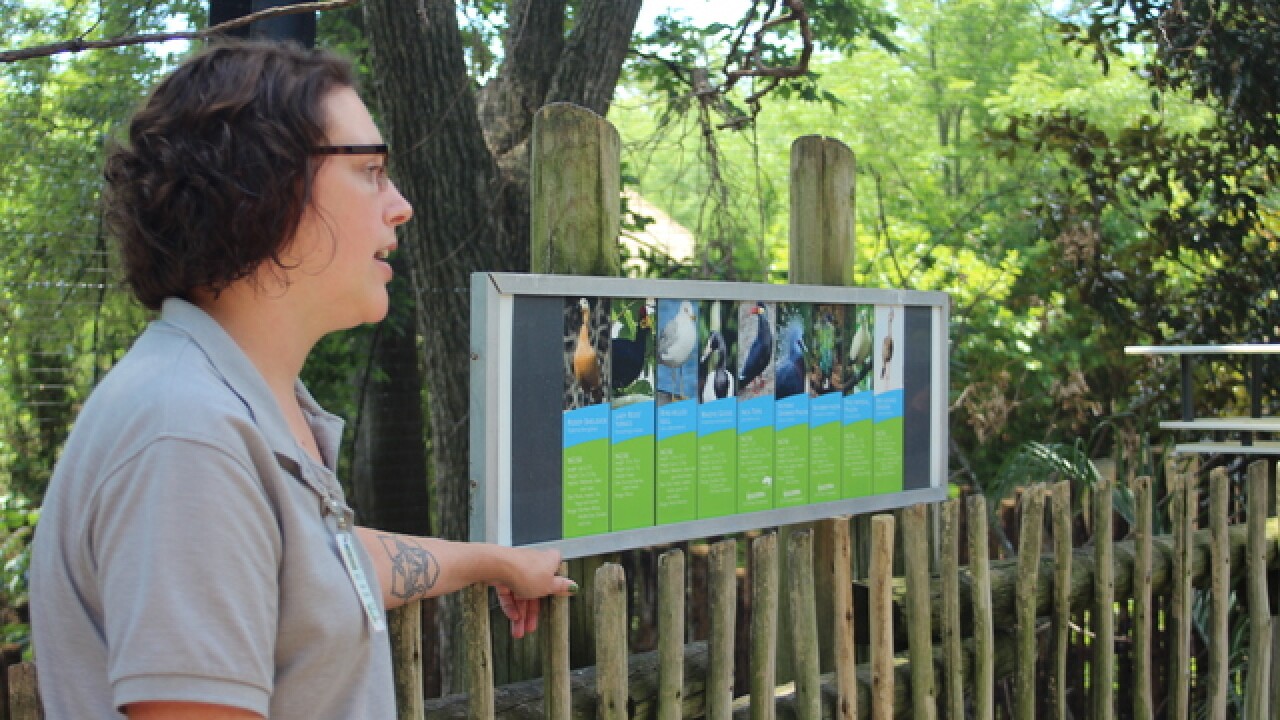
The Aviary is allowing new faces into the Free Flight shifts, as long as they are willing to attend a meet and greet/training session with us at the beginning of the season. (Dates and Times of Training TBD)
Shifts:
-
10:00 am – 12:30 pm
-
12:30 pm – 3:00 pm
-
7 days a week from Spring – Fall 2022.
This volunteer opportunity is ALL about visitor engagement!
Requirements:
-
Be FUN, encouraging, and great with communication!
-
Be able to help guests follow the safety protocols, while still enjoying the experience.
-
Be able to stand the whole 2.5-hour shift.
-
Be able to be outside in the heat for the whole shift.
-
Be able to commit to a minimum of 2 shifts per month.
General Rules:
-
Only one door to the exhibit should be open at a time. This prevents birds from escaping.
-
Guests and volunteers should never touch or feed birds.
-
Guests and volunteers should stay out of the gravel area, always stay on the deck.
-
Volunteers should carry a radio and call the bird house with any questions or concerns.
-
If there are 2 or more volunteers present, rotate between monitoring the door and monitoring the aviary so that everyone gets a turn!
Door volunteer:
-
Monitor guest flow. Does it seem too crowded? Politely ask that guests entering the flight wait until a group leaves to avoid overcrowding.
-
Remind guests that are entering/exiting to open one door at a time.
-
Ask that no food, drinks, or strollers enter the flight.
Inside aviary volunteer:
-
Help maintain the general rules of the aviary.
-
Answer questions about the birds.
There is an existing volunteer manual that was created for folks working in this space, and we have 4 laminated copies here in the Bird House. The manuals are offered to anyone working each day, along with a volunteer radio for contacting keepers with any issues. The manual has interesting natural history information for each species, to aid volunteers interpreting while stationed in the flight.
Click Here to Sign Up
Ameritus Wings of Wonder Bird Experience Volunteer Opportunity
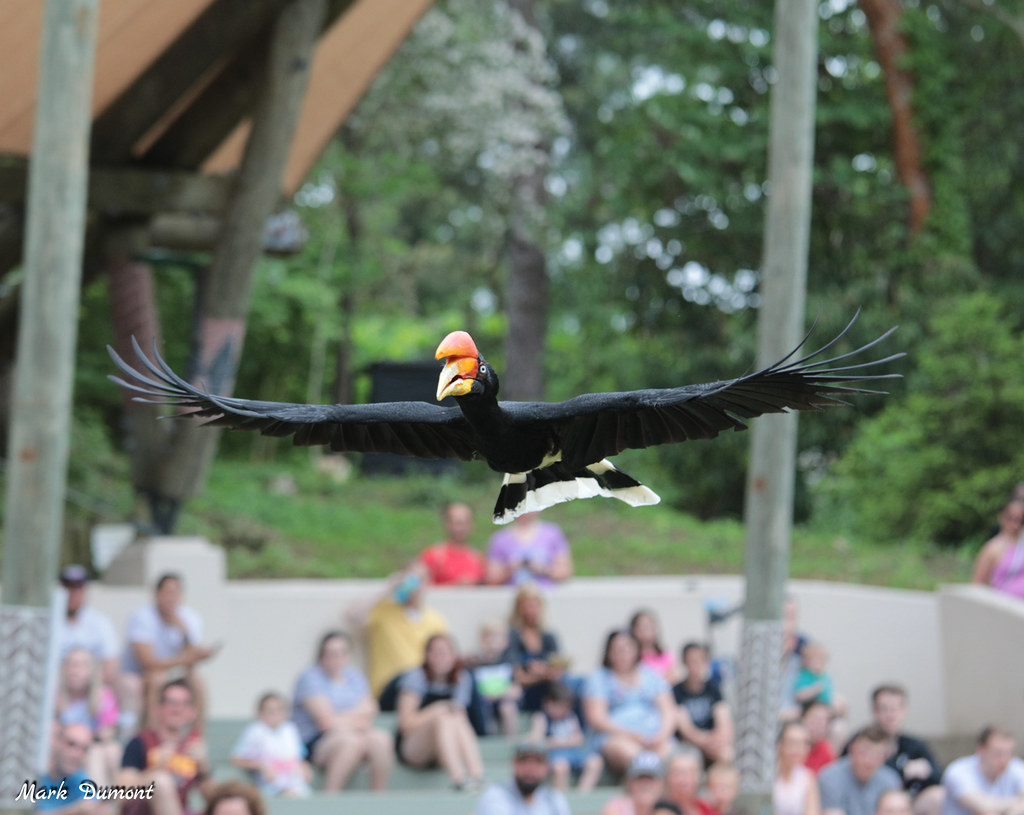
The Wings of Wonder Bird Experience is now more interactive than it has ever been. There are more bird flights and they are coming from all angles. It is truly a MAGICAL experience for all of us. Unfortunately, the team has not been able to complete some of the flights due to visitors coming in late, parking strollers in the restricted areas, and walking in the flight path. The team has needed to make the tough decision to close the gate once the show starts to limit disruption of the show. Unfortunately, we’ve found that closed doors alone are not stopping visitors from unhooking the gate and coming on in.
Eddie and his team have asked for some volunteer help at the gates during the Bird Show. You will be in charge of greeting guests with a smile, helping with directions into the seating area and once the Experience begins you will need to close the gate and stand by the gate until the end of the show when you can open the gate. The Encounter times are Wednesday-Sunday 1& 3pm, the schedule for this position can be found below:
1pm Experience:
12:45-1:30pm
3pm Experience:
2:45-3:30pm
*You will be required to attend a short training before you start your shifts and a quick Meet & Greet with the crew.
Click Here to Sign Up
Education Volunteer Opportunity
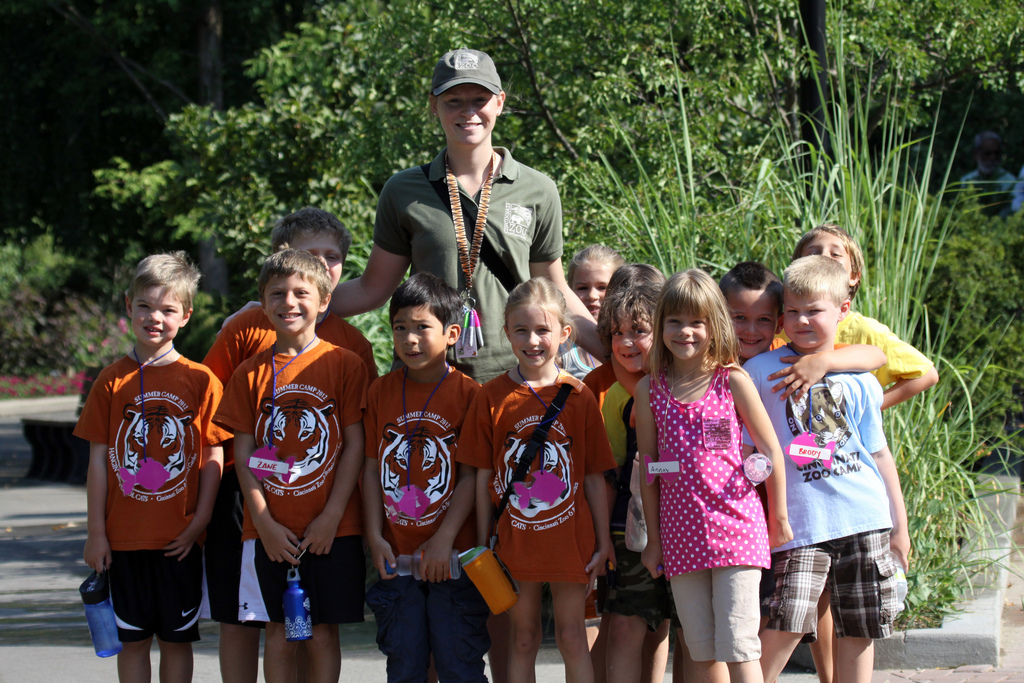
The Education Department is on the hunt for a Summer Camp Aide to assist the Instructor and provide special attention and flexibility by accommodating for a large spectrum of children who may need learning support. This opportunity would be for the entire Summer, working certain days of the week during Summer Camp hours with a start date of May 25th.
Working Conditions/Requirements:
-
Lift/Move/Carry up to 30lbs without assistance
-
Stand/Walk for extended periods of time
-
Exposure to outside weather conditions
-
Ability to work on knees for extended periods of time, including frequent bending and squatting
If you are interested in this position and would like to learn more, please click on the link below.
Click Here to Sign Up
Native Plant Sales at Bowyer
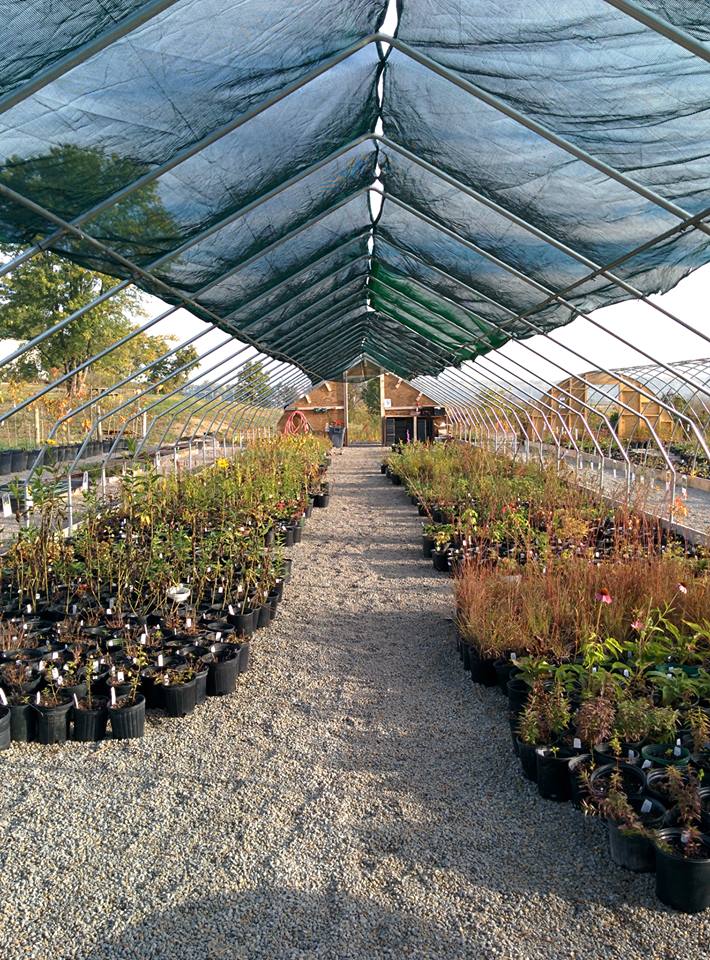
The 2022 Native Plant Sale dates are here! Located at the Zoo’s Bowyer Farm (2210 Mason Montgomery Road, Lebanon, OH), these sales offer a wide selection of reasonably priced, well-grown, hard to find, and ecologically important native plants.
Native plants, including ones found throughout the Bowyer Farm ecosystem, will be for sale. The preferred payment for all sales is credit card.
Dates: June 11, July 9, August 13, September 10, September 24, October 8
Contact Information:
 Brittany Garera-Stapleton
Volunteer Relations Coordinator
(513)559-7768
[email protected]