
Lights Out, Nature Thrives: How Flipping the Switch Saves Birds, Wildlife, and the Planet
As the nights grow longer and the air turns crisp, the skies above Cincinnati come alive with the remarkable spectacle of migratory birds embarking on their epic journeys. These incredible travelers depend on the darkness of night to navigate safely but, as our cities and homes glow ever brighter, this ancient rhythm is being disrupted. Turning off lights at night during fall migration isn’t just a nice gesture—it is a critical action that could save countless lives, not only of birds but of many other species, while also benefiting the environment.
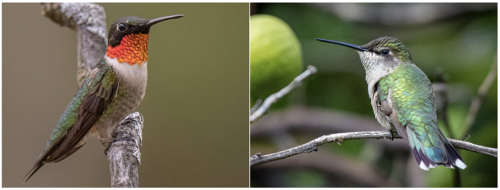
Artificial lights pose a serious threat to migrating birds. Each year, millions of birds fail to reach their destinations after being disoriented by bright lights, leading to collisions with buildings or exhaustion from circling in confusion. The situation is particularly dire for first-year migrants—young birds making their inaugural journey. These fledglings already face immense challenges, and light pollution is an avoidable, human-made obstacle that puts their survival at even greater risk.
The impact of light pollution extends beyond birds. Nocturnal animals, including bats and insects, are also deeply affected, as artificial lights can disrupt their feeding and other behaviors. Even plants can suffer, as they depend on natural cycles of light and dark for growth. By simply turning off lights during peak migration times, you can help restore nature’s balance, allowing all species to thrive.
This fall, as you marvel at the incredible journeys of migrating birds, remember that you have the power to protect them with a simple action: turning off your lights at night. In doing so, you’re not just saving birds—you’re supporting entire ecosystems, reducing your carbon footprint, saving on energy costs, and contributing to a more sustainable future for all living things.
Let’s flock together to create a dark pathway for migrating species, ensuring they reach their destinations safely and continue to enrich our world for generations to come.
Your Toolkit for Brightening Cincinnati’s Wildlife Future
Each of these tools offers a unique way to engage with and protect migrating birds and other wildlife. Whether you’re identifying species, contributing to citizen science, planning your lights-out strategy, or exploring local biodiversity, these resources empower you to make a real difference in the conservation of Cincinnati’s native wildlife and all visiting wildlife passing by.

BirdCast: BirdCast offers real-time migration forecasts, showing you when and where birds are likely to be moving through your area. This tool is especially useful for planning when to turn off your lights, as you can identify peak migration nights when birds are most active. BirdCast provides live maps and detailed forecasts, allowing you to see the movement of birds across the country and predict when your lights-out efforts will be most effective. By aligning your actions with migration patterns, you can maximize your positive impact on local bird populations.

Merlin: Developed by the Cornell Lab of Ornithology, Merlin is your go-to app for identifying birds by both sight and sound. Use the sound or photo ID, or simply input a few details, such as location and date, and Merlin will provide a list of likely bird species, complete with images and sounds to help you confirm your sightings. If you are in your backyard or out on a hike, Merlin makes it easy to connect with the wildlife around you. As you learn to identify more species, you will deepen your appreciation for the diversity of birds passing through Cincinnati during migration and all year long.

eBird: Also from the Cornell Lab, eBird is a global platform where birders of all levels can record and share their observations. By logging the birds you see, you contribute to a massive database used by scientists to track bird populations and migration patterns worldwide. eBird also allows you to explore local hotspots, see what other birders are observing in your area, and even receive alerts about rare species sightings nearby. By participating in eBird, you not only stay informed about migration in Cincinnati but also play a direct role in global conservation efforts.

iNaturalist: A collaboration between the California Academy of Sciences and National Geographic, iNaturalist is a platform that lets you document and explore the biodiversity around you. By snapping photos of birds, plants, insects, and other wildlife, you can upload your observations to iNaturalist, where a community of naturalists and scientists will help you identify species and learn more about their ecology. iNaturalist also allows you to join projects and participate in citizen science efforts, connecting you with others who are passionate about conservation. By using iNaturalist, you will gain a greater understanding of the rich tapestry of life in Cincinnati and how it all fits into the larger ecosystem.
How Many Birds flew over Hamilton County last night? (Updated as of 6:30am)
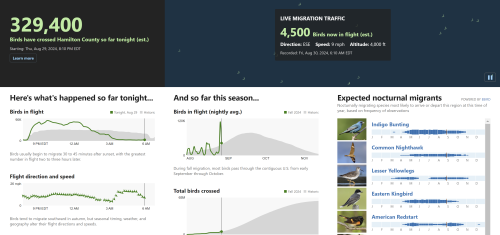
CLICK HERE for a live migration update for Hamilton County
*Information shared from the BirdCast website. Check it out, there is so much to explore!
Check out our partner organization, Lights Out Cincinnati, to learn more!