

Volunteer Updates & Opportunities
December is here and it’s the “MOST, WONDERFUL TIME, OF THE YEAR!”
USA Today Best Zoo Lights Update
VOTING HAS ENDED….But when is the next time I’ll get to start a newsletter with our Elf?!
HELLO DECEMBER! 🙂
Stay tuned for the contest results coming soon! RESULTS WILL BE ANNOUNCED: DECEMBER 10
********************
We are SO THANKFUL for all of you!!!
A special THANK YOU to our volunteers – you are all such a key part to the success of our Cincinnati Zoo!
********************
Animal Enrichment Christmas Wishlist!
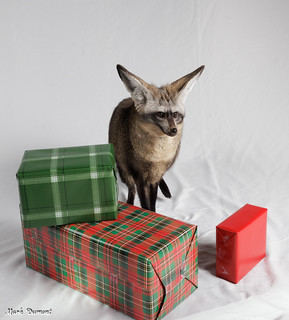
We created an Animal Enrichment Amazon Wishlist full of lots of goodies for our favorite critters! Items will be delivered directly to the zoo.
We encourage you to check out all the items (and who they’re for!) by clicking the Wishlist image below. Thanks so much for your generous consideration!

********************
Happy Zoo Year Volunteer Opportunities!
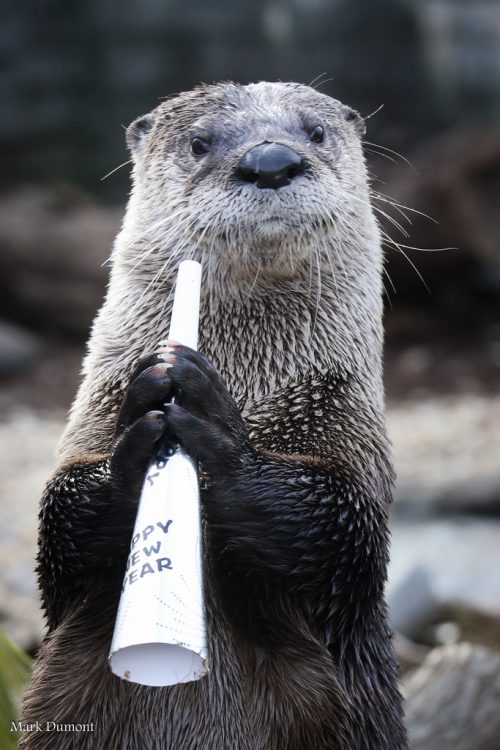
Guests are invited to ring in the New Year at the Cincinnati Zoo & Botanical Garden. “Party Animals” of all ages are invited to celebrate the 17th annual Happy ZOO Year, powered by Honda.
This New Years’ bash will take place at the Zoo on Wednesday, December 31 with a kid-friendly, early countdown at 8pm featuring the Zoo’s 40-foot tall digital tree.
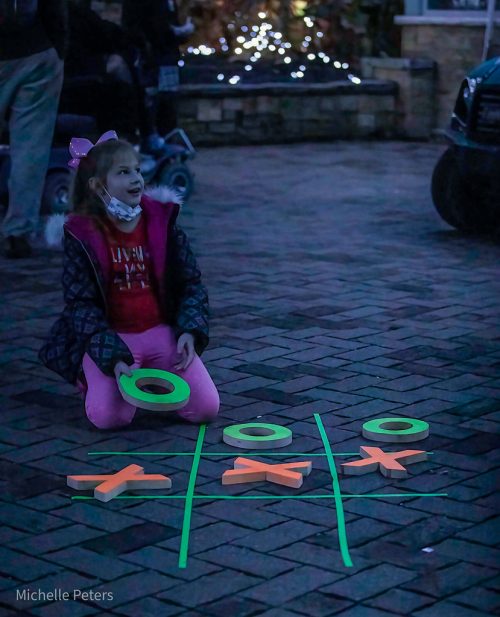
We will need volunteers to help pass out giveaway items, which include: glow sticks, party hats, and light up rings. Two covered tables will be stationed in Vine Street Village for items. We may also need assistance monitoring games. Games include cornhole, giant Jenga, and light up limbo.
Volunteer shifts are as follows:
- Giveaways Support (3:30pm-5:30pm) *6 available shifts
- Game Support (5:00pm-8:00pm) *8 available shifts
Please sign up in Better Impact if interested and help us celebrate the New Year!
********************
CREW Year End Donation
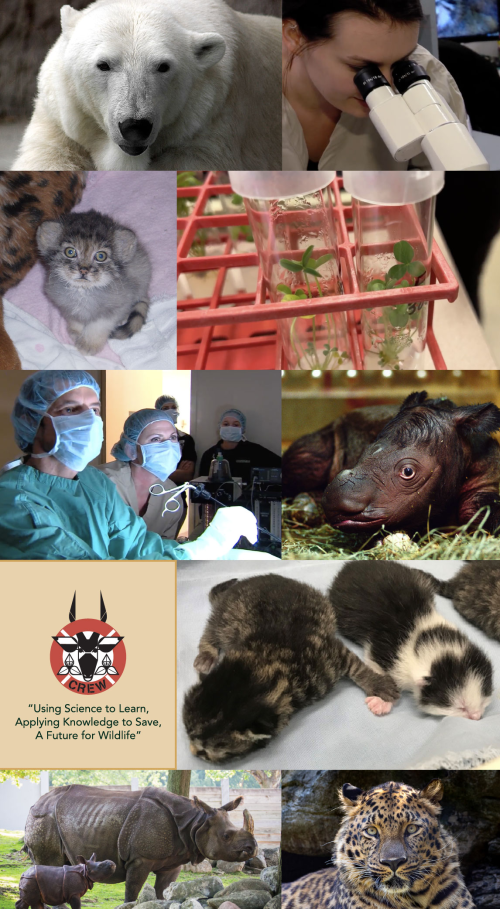
The Lindner Center for Conservation and Research of Endangered Wildlife’s (CREW) is leading the way to secure a positive future for endangered species. Please consider donating today!
 Signature Projects
Exceptional Plants, Rhinos, Imperiled Cats and Polar Bears.
********************
NEW VOLUNTEER INTERVIEWS IN PROGRESS
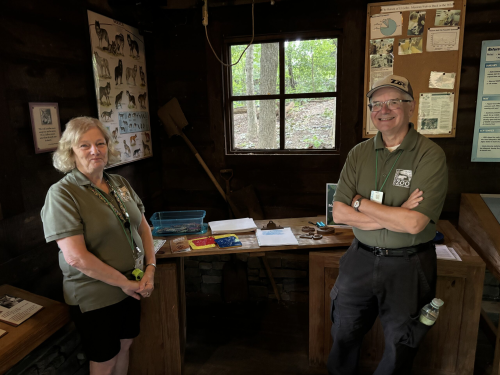

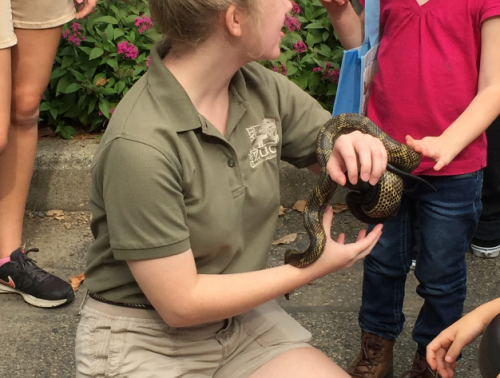
ZooTeens (age 13-17) – Know a teenager passionate about nature, animals, or conservation?
Applications for the ZooTeen Summer 2026 season will be open from December 1, 2025 – January 31, 2026.
CLICK HERE TO APPLY (ZOO TEEN)
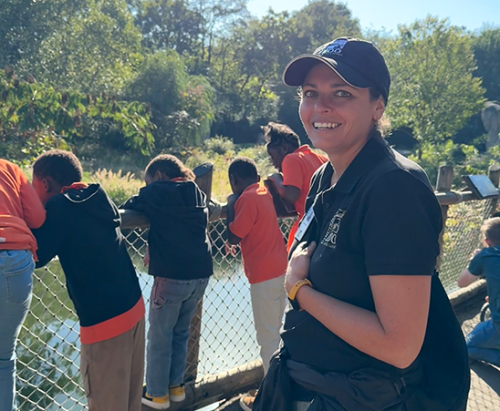
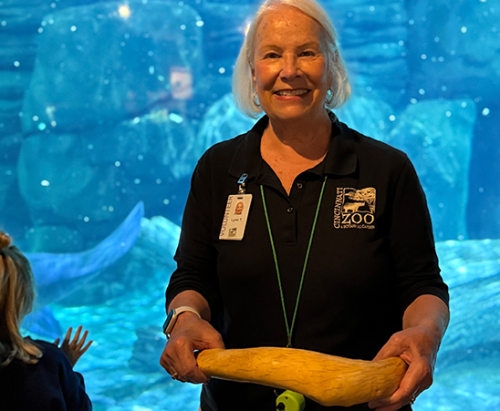
Adult Volunteers (18+) – Have a positive attitude and a passion for conserving wildlife and wild places? Applications open for a limited time!
CLICK HERE TO VIEW ADULT OPPORTUNITIES
Adult Volunteer Opportunities:
CREW – for the SCIENTIFICALLY Driven. CREW Ambassadors are the bridge between the Science and Conservation efforts taken by CREW and our community.
Education – for the Facilitators. Education volunteers get the direct interaction with our interested community. Be the face of the zoo as an Arrival Facilitator, or that next rising child’s favorite Summer Camp Aide.
Diver – for the Adventure Seeking. Diver volunteers go beyond where most get to go! Provide valuable support to our keepers and the animals by helping to maintain exhibits to the highest of standards.
Zoo/Habitat Ambassadors – for the Superlative. Our Ambassador Volunteers are vital to CZBG’s success. They are the catalysts in encouraging wonder and facilitating inspired conversations for a brighter future for wildlife and people. WEEKDAY and WEEKEND options available.
Zoo Updates
PNC Festival of Lights Tree Lighting 2025!
Hope to see everyone at the Festival of Lights 2025, now through January 4, 2026.
********************
Happy National Christmas Lights Day! (December 1)
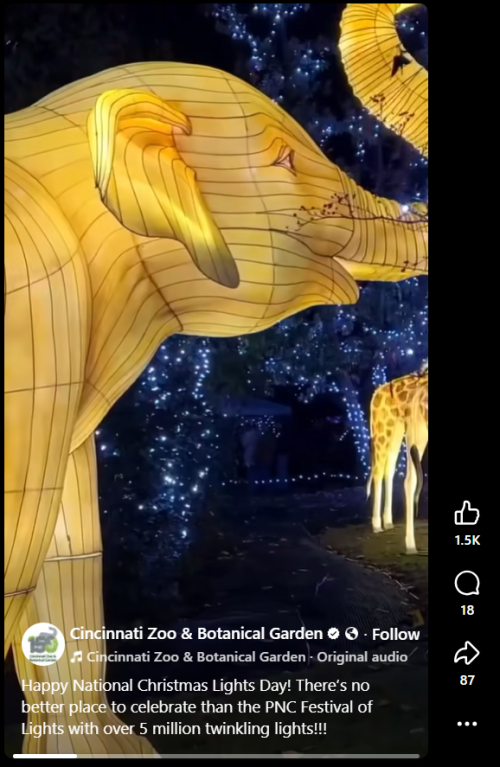
There’s no better place to celebrate than the PNC Festival of Lights with over 5 million twinkling lights!!!
********************
International Jaguar Day: How CREW Is Helping Save a Near-Threatened Cat
Jaguars are the largest wild cat native to the Americas, living throughout Central and South America. Adept climbers and swimmers, they can be found in forests, savannas, and wetlands hunting for deer and tapir. Due to deforestation, however, jaguars are faced with the fragmentation and loss of their habitat, and as their populations continue to decline the IUCN has identified them as a Near Threatened species. Click above to find out more!
********************
Honoring the Aging Journey – for Animals and People Alike

About the author:
Brittany Garera-Stapleton is the Conservation Engagement & Volunteer Program Manager at the Cincinnati Zoo & Botanical Garden, which connects people with wildlife and wild places through education, action and care. She oversees programs that empower adults to create positive conservation impact while finding purpose and community through volunteering at the Zoo.
********************
********************
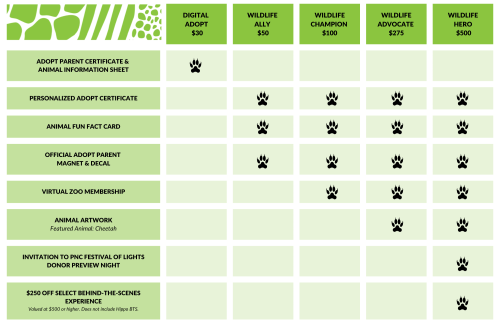
Give the Gift of an Animal Adoption This Holiday Season!
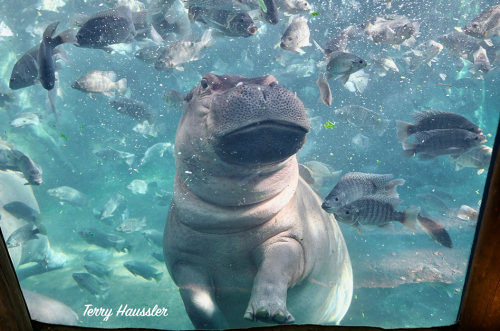
Adopt an animal from the Cincinnati Zoo & Botanical Garden—the perfect holiday gift for the Cincinnati Zoo animals fan in your life!
Delivery Deadlines to Ensure Arrival by Christmas:
- Mailed ADOPTs: Order by December 11
- Digital ADOPTs: Order by December 18
********************
Get a Taste of Thailand at the Cincinnati Zoo!
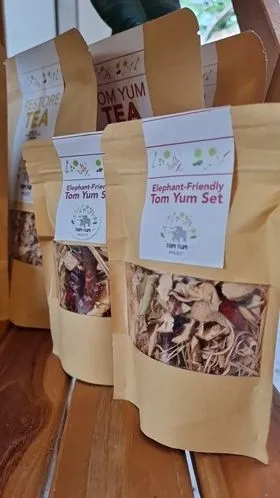
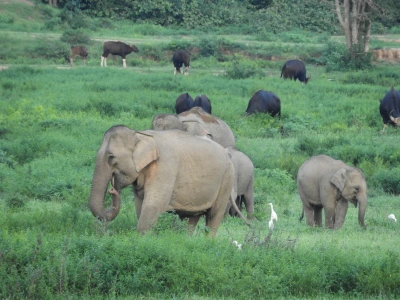
The Outpost Café at Mai Thai’s Marketplace in CZBG has introduced tom yum soup to its menu. This decision is linked to the zoo’s partnership with Bring the Elephant Home (BTEH), an organization focused on protecting wild elephants and supporting local agriculture in Thailand.
Following a visit by zoo employees to BTEH’s Thailand headquarters, the dish was added to help share the story of BTEH’s conservation work. Stop by Outpost Café to check out this great addition!
Plant & Animal Updates
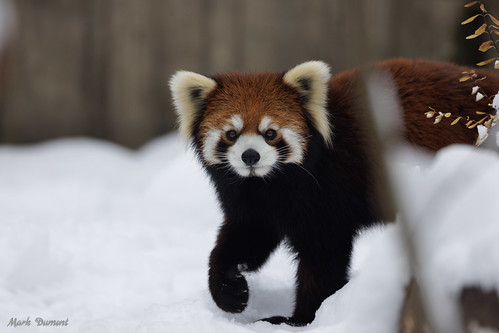
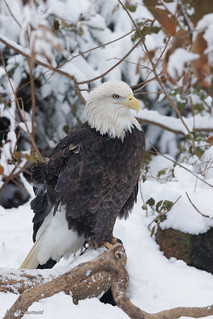
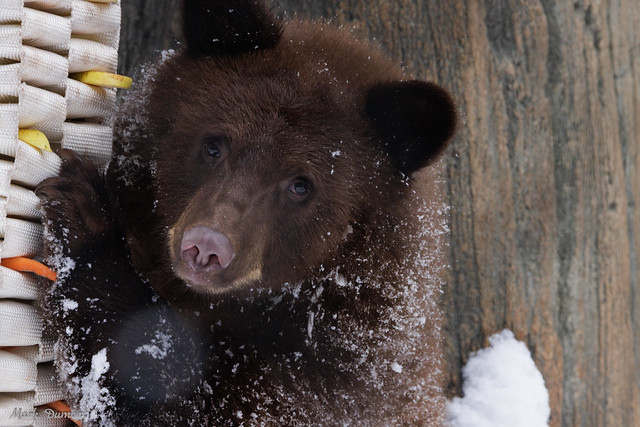
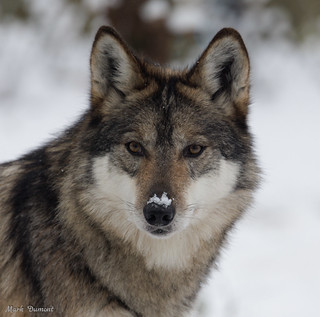
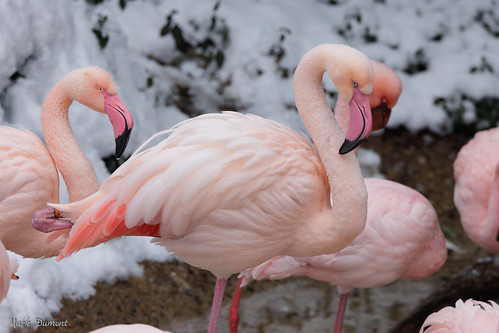
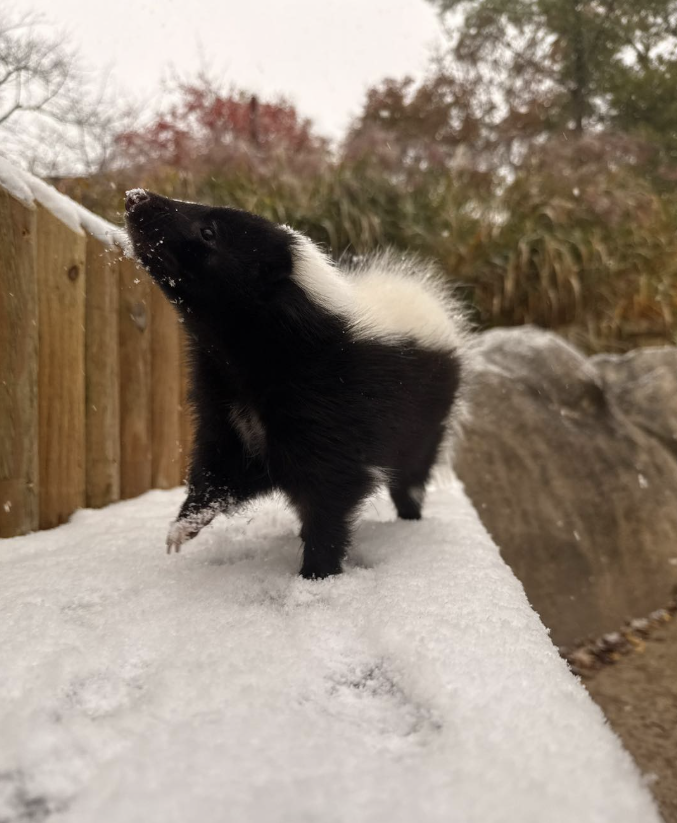
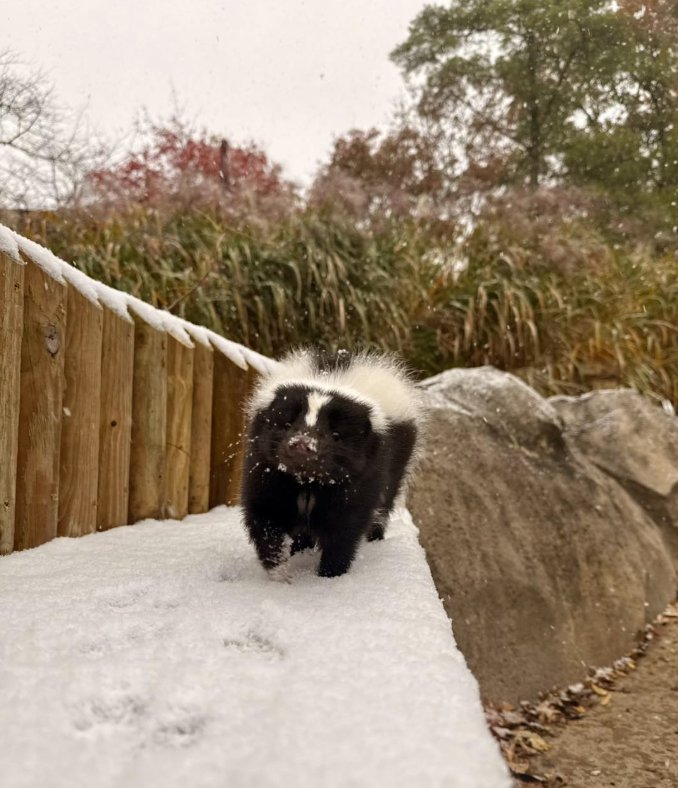
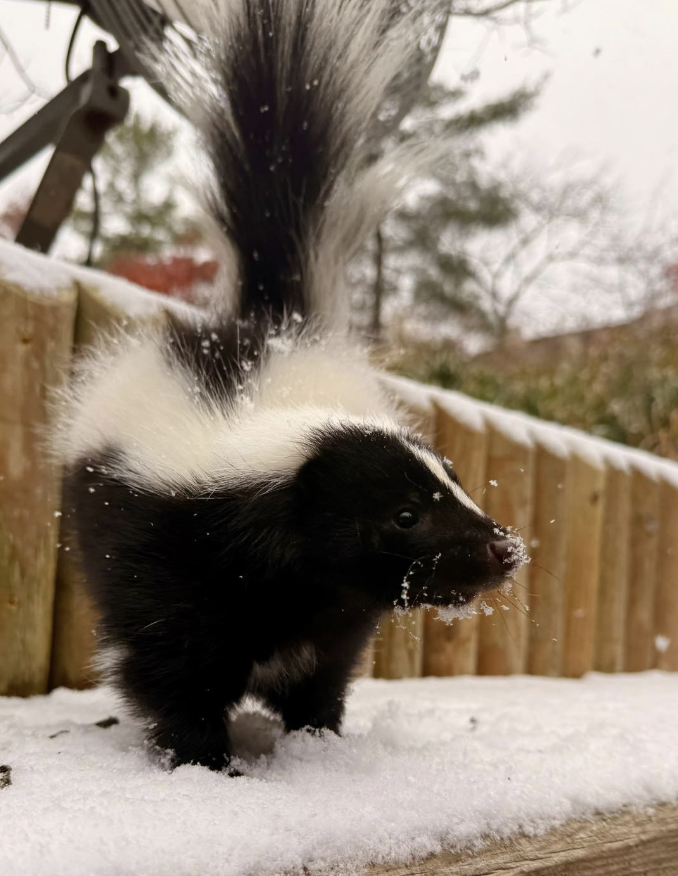
Animals Playing in the First Big Snow of 2025 – December 2
********************
Learn about the Sea Otters in Sea Otter Coast
Learn about the sea otters’ arrival at the Cincinnati Zoo, after a 150-year absence. The video details the otters’ journey and specialized care, including a complex saltwater system. Explore the otters’ natural history and the zoo’s global conservation efforts.
********************
Asian Small-Clawed Otters: How to Spot Who’s Who
Splash
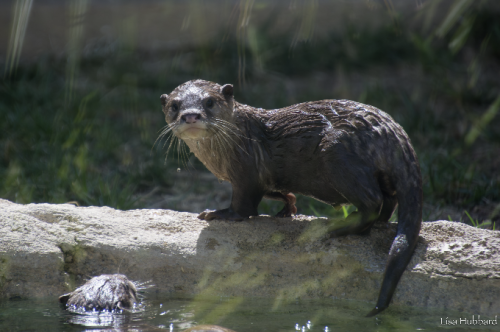
- Seems to be our little introvert of the bunch! (with a cute pink nose)
- If a pup is ever missing from the action, it’s usually Splash that is away from his brothers playing contentedly by himself or napping in a corner.
- Splash has discovered the joys of having “me time” early in life.
- ASCOs are a highly social species, so Splash’s personality is a bit out of the ordinary and may change as he ages.
**************
Puddles
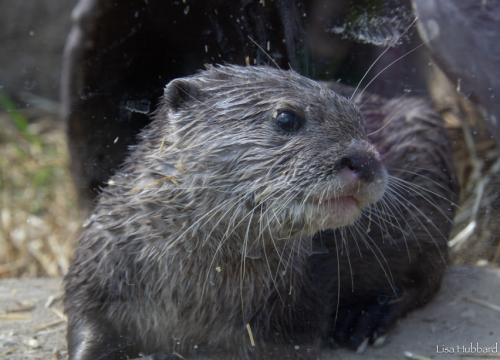
- Early on, Pudd would often leave the nest box in search of Munti and extra solo nursing time.
- Look for the white fur on the tip of his tail to easily identify him among the brothers.
- Puddles is a bit of a grab bag baby… he seems to end up on his own every once in a while but doesn’t panic about it.
- He’s super happy wrestling with his bros or venturing out into the deep water next to (or sometimes on top of) his Dad.
- He seems to have a sweet disposition overall.
**************
Scuttle
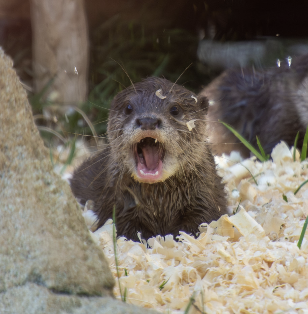
- Our “foodie” of the bunch!
- When the otter pups finally started to explore solid foods, Scuttle dove in head first and got the hang of eating solids quicker than his brothers.
- He tries everything but doesn’t necessarily like everything.
- When Scuttle is chowing down on one of his favorite treats (smelt or shrimp) his eyes get HUGE!
- He can be sassy and spicy at times and reminds us very much of his mother Munti with his big personality!
**************
Ripple
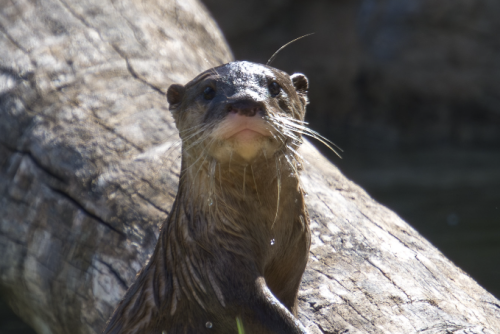
- Rip seems to be our bad boy of the bunch.
- Ripple LOVES to spar/play-fight with his brothers, and on numerous occasions we’ve observed Ripple getting physical with his brothers and even both parents over food items.
- This is a normal behavior for their species, because while ASCOs live in family groups (called “romps”), at dinner time, it’s every otter for themself and otters are responsible for finding and holding onto their own food.
- Ripple seems to have taken that lesson to heart and makes it known he will fight you for your food and once he has food in tiny hand, he defends his snacks with a surprising amount of ferocity for such a tiny otter.
********************
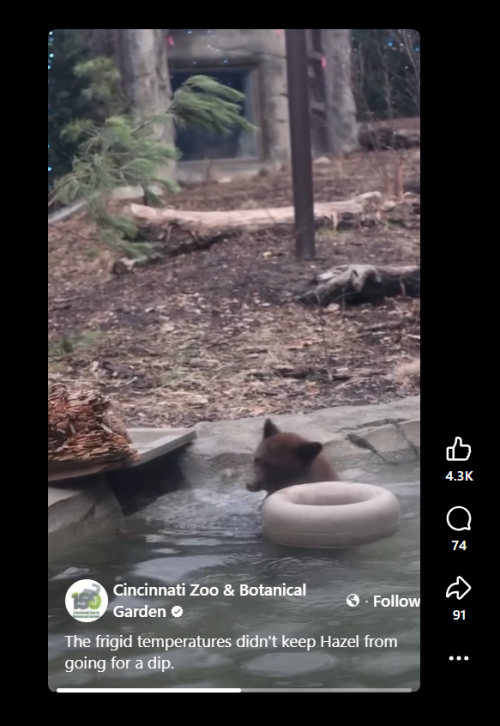
The frigid temperatures haven’t kept Hazel from going for a dip!
********************
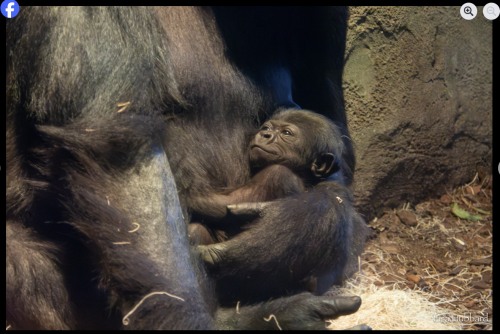
ZOO TALES – Baby Gorilla Update from the Cincinnati Zoo Care Team
We are thankful for baby gorillas! In this special episode, Team Leader, Ashley Ashcraft, and Keeper, Shaina Baker, share a heartwarming update on Gladys and her baby, Mboka Jo. Listen in as they talk about his latest milestones, the incredible care that goes into raising a growing gorilla, and what makes this mother–infant duo so special. It’s a cozy, feel-good check-in perfect for the holiday season!
Conservation Corner
From a Beanie to a Sticker to Stories of Coexistence

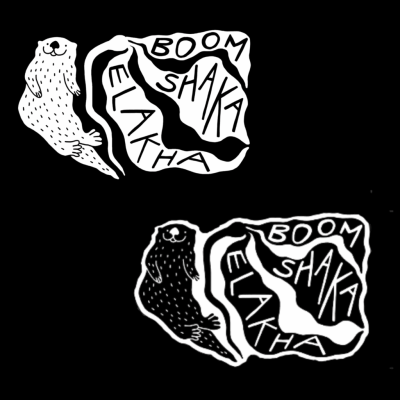
I first learned about the Elakha Alliance because of a set of adorable sea otter stickers. A colleague mentioned them during a conversation about coastal conservation, and that simple moment led me to reach out to three members of our Conservation Impact Team, Lily Maynard, Bailey Cadena, and Brittany Garera. Since this month is Native American Heritage Month, it felt important to learn more about the Tribal partnerships that guide so much of our conservation work and to shine a light on the people who make these efforts possible.
When I met with the three of them at the City Barn, they welcomed me with warmth and enthusiasm. When Bailey, who leads our Mexican Wolf coexistence work, sat down with one oversized sheet of notes, I knew I would be leaving our meeting filled with knowledge and the realities of her work. She spoke not only about wolves, but also about the people who share space with them. Then she offered the line that has stayed with me ever since.
“We cannot take care of the wolves if we do not take care of the people.”
The more I listened, the more I realized how much this idea connects every project they work on, whether in the mountains of the Southwest or the kelp forests of the Pacific coast.
Mexican Wolf Recovery and Tribal Leadership Across Borders
Mexican wolf recovery and reintroduction stretches across landscapes, cultures, and international borders. In the United States, the White Mountain Apache are the only Tribal Nation that participates in the Mexican Wolf Interagency Field Team – a collaboration between governmental agencies to monitor and manage the wolves. The Mexican wolves also live on the White Mountain Apache’s sovereign land. Their agreement to participate reflects a thoughtful and courageous decision. Allowing a United States federally protected species onto Tribal land can complicate sovereignty, since federal protections may introduce uncertainties about jurisdiction and Tribal authority. Even with these challenges, the White Mountain Apache chose to support the recovery effort. Their perspectives, community knowledge, and lived experience help guide the program, and their contribution strengthens conservation efforts across the Southwest.
Across the border in Mexico, coexistence work continues through the organization known as Fundación Tonkawa. This group plays a growing role in community centered conservation and in building local capacity for Mexican wolf coexistence. Their efforts focus on understanding how people, landscapes, and wildlife influence one another, and on supporting coexistence that grows from these relationships.
The name Tonkawa honors a Native American tribe originally from what is now Oklahoma. This connection adds a meaningful cultural thread to their work, reflecting a history of movement, resilience, and community presence that continues to echo across the regions where conservation efforts are taking shape today.
Bailey also shared an exciting development for the upcoming year. Keep your eyes out for more information, as Ximena Barrios joins the next cohort of Hoffman Coexistence Impact Fellows. She will help expand Tonkawa’s capacity to evaluate coexistence impact and support community centered conservation in northern Mexico.
Everything about this work brought me back to Bailey’s earlier statement. We cannot take care of the wolves if we do not take care of the people. In many ways, that is the heart of Mexican wolf recovery.
Sea Otter Restoration and the Elakha Alliance
From there our conversation shifted from wolves to sea otters. Brittany and Lily explained how they first learned about the Elakha Alliance, and the story began with something as simple as a beanie. At a conference, Bailey noticed a sea otter beanie at a vendor table and kept returning to it. The artwork drew her attention, but the mission behind the products kept her there. When she learned that the items supported the Elakha Alliance, she shared the story with Lily and Brittany, and soon all three began following the work of the organization. My own introduction through that sticker conversation eventually brought me into the same circle. (Seriously, go check out their amazing shop!)
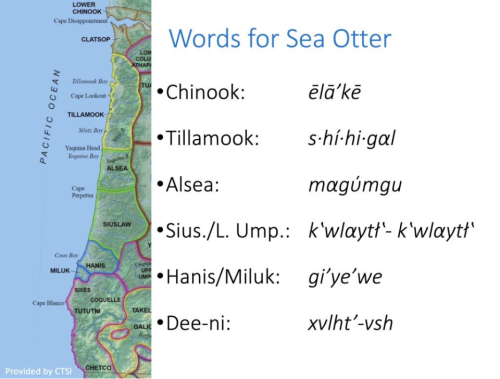
The Elakha Alliance formed through the guidance of Indigenous communities whose cultural ties to sea otters extend across many generations. The word elakha means sea otter in Chinook, one of many coastal languages along the Oregon shoreline that carry their own names for this remarkable animal. These names remind us that sea otters are not newcomers to the region, but relatives returning to their ancestral home. The Alliance’s mission is “to make Oregon’s marine and coastal ecosystems and communities more robust and resilient by restoring a healthy population of sea otters to the Oregon coast. They approach this mission with cultural and ecological values woven together, keeping Indigenous leadership at the center of each decision.

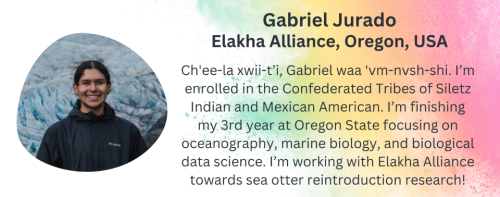
Three Tribal Nations are represented on the Alliance board, and every Oregon coastal Tribe has provided a letter of support for the return of sea otters. Furthermore, the Confederated Tribes of Siletz received a more than $1.5 million grant to advance the Tribal led reintroduction program. This work includes contributions from one of our newest Coexistence Fellows, Gabriel Jurado, who is enrolled in the Confederated Tribes of Siletz Indians. Gabriel supports sea otter reintroduction research and strengthens community involvement through his partnership with the Alliance.
Listening First and Acting Second
Meeting with Lily, Bailey, and Brittany brought a simple truth into focus. Conservation succeeds when it honors the people who hold cultural, historical, and ecological relationships with the land and the species we hope to protect. It requires listening, collaboration, and respect for sovereignty. Whether we are working with Tribal Nations in the Southwest to support wolf recovery, or partnering with coastal Tribes on the return of sea otters, the core of this work remains the same.
********************
A federal leadership grant puts Cincinnati Zoo at the center of global conservation
This award strengthens a program that supports emerging conservationists from the communities where conservation work is happening.
********************
Tagging Tomorrow’s Giants – Vulpro 2025
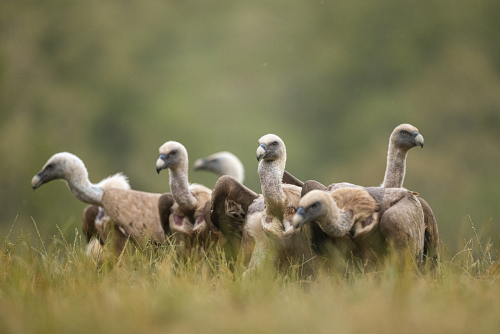
Our 2025 captive bred vultures are getting ready to take to the skies. Each bird will be fitted with a state-of-the-art tracking device, thanks to the support of the Cincinnati Zoo and Botanical Garden. These devices help us monitor their movements, behavior and survival after release. Watching their progress gives us the insight we need to protect wild populations and keep Africa’s skies alive. See how we prepare every bird for life back in the wild in our behind-the-scenes video.
VulPro Update – GPS “Backpacks” Remind Wild Vultures of What Was

Today we had a great call with VulPro, our partners working for vulture conservation across southern Africa. Kye Tomoyasu, a Global Conservation AmeriCorps Member, will be supporting VulPro in analyzing data surrounding their captive breeding program’s success. This breeding program involves rescued, non-releasable vultures. Their fledglings are eventually released into the wild, fitted with GPS trackers (or little “backpacks”) so VulPro can collect data while they live their lives as wild vultures. Through CZBG’s support the past two years, VulPro was able to purchase many of these trackers fitted on vultures released from both the breeding program & vultures that were rehabbed and released. Kye, Mahi, and others on the Conservation Impact Team will be analyzing millions of data points from these trackers, documenting the movement of these released birds to understand their survivability over time.
Kerri Wolter, VulPro’s leader, shared some inspiring news on the call today about this breeding program’s qualitative success.
There have been observations that both captive raised vultures that have been released and wild vultures are now going to historic roosting sites they have not been observed in for decades.
“It is almost as if our vultures are reminding the wild birds what was.
How on earth do these birds know where to go? It must be a part of them.”
Stay tuned for future updates as our Zoo team works to support VulPro in analyzing their data, including the GPS tracker data, to more rigorously evaluate their conservation programs and provide insight on the threats the vultures face, like collisions with and electrocutions from power lines, and ways to effectively respond to those threats.
The VulPro team has shared these datas’ role:
“Beyond individual welfare, the data provide a broader perspective on vulture ecology across southern Africa. It allows us to identify critical threats such as power line collisions, electrocutions, and poisoning patterns, many of which would otherwise go unnoticed, while highlighting vulture hotspots, key feeding areas, and regions of ecological importance.”
Flight path over 6 months of one vulture that was a captive release in 2024
Example of map that is generated from GPS trackers, supported through our BTS program!
Additional Partnership Background
Our partnership with VulPro began in 2018 through the Behind-the-Scenes Program. VulPro works to “tackle the root causes of [Africa’s vulture species] decline through cutting-edge research, strategic partnerships, and impactful public education, driving lasting change.” Their mission is quite aligned with our Zoo’s mission. VulPro aims “to advance knowledge, inspire action, and lead innovation in vulture conservation, securing a world where these iconic birds thrive.”
Today’s call was a year in the making.
Starting in 2024, Jenna Wingate has acted as our Zoo’s Conservation Institutional Representative (IR) with VulPro. In this role, she coordinated a call with VulPro and the Conservation Impact Team in spring of 2024 where the VulPro team shared the need for support in analyzing GPS tracker data of Cape Vultures to better evaluate their conservation programs. Through a partnership with Dr. Simona Picardi at the University of Idaho, facilitated by our team’s Dr. Mahi Puri, Kye Tomoyasu will work to support this need throughout his service year!
“We are sincerely grateful to Cincinnati Zoo for their ongoing commitment to our vital tracking programme through their generous sponsorship of GPS equipment. Your support enhances our ability to monitor released vultures, collect essential data, and comprehensively strengthen our conservation action. This partnership is crucial to our work, and we look forward to the lasting positive impact it will have on vulture populations for years to come”
Success Stories
Avondale Thanksgiving Success – THANK YOU!!
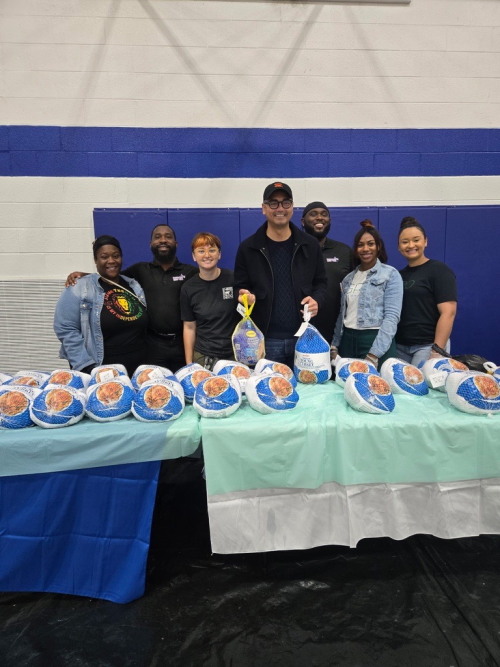

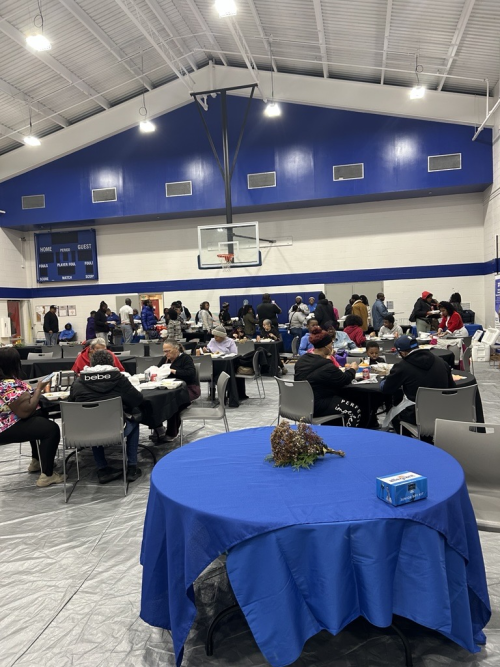
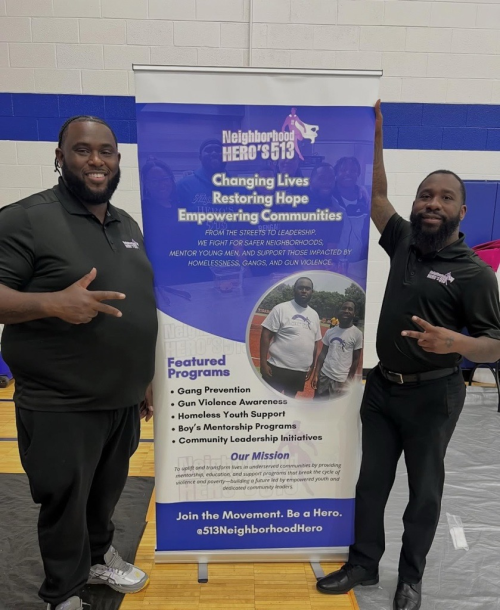
This past Saturday, members of the Avondale community gathered at Hirsch Recreation Center for food, friends, and fun during the “Unity in the Community: A Celebration of Family” Thanksgiving event hosted by the Avondale Development Corporation and Neighborhood Heroes 513.
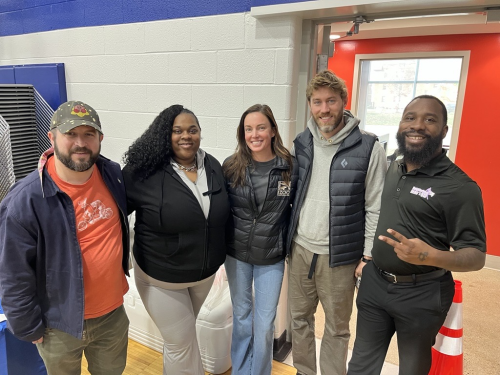
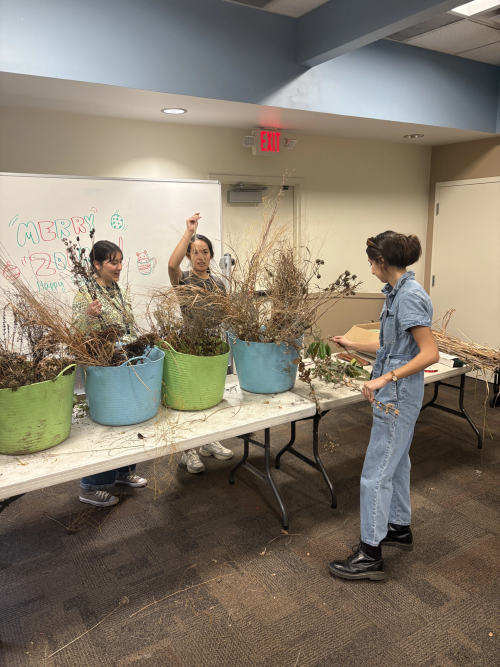
Zoo staff and volunteers truly showed up this year by donating their winterwear, contributing to event funds, creating festive fall decorations, setting up for the event, and helping prepare and distribute food day-of. The event was incredibly well attended, and ALL of the clothing donations went to new homes! Whether you contributed directly or helped spread the word to friends and colleagues, your support made a huge impact on this incredible event – THANK YOU!!!
In Case You Missed It
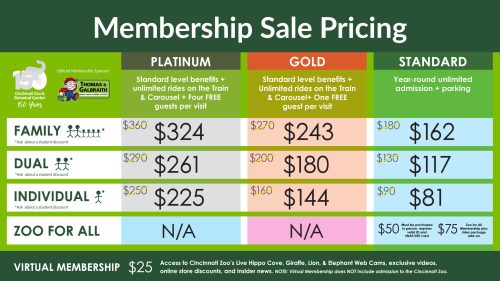
Cincinnati Zoo Membership Sale: Happening Now Through December 31
********************
Sensory Santa Registration Now Open! 🎅
Please join us for a sensory-friendly Santa meet & greet – Admission not included.

2025 Sensory-Friendly Santa Dates: We will be offering Sensory Santa from 1pm-3pm, with 10 minute time slots for each day.
- December 6 & 7
- December 13 & 14
- December 20 & 21

********************
Carol Trosset’s Lecture Series

Carol’s Natural History Lecture Series has been a HUGE hit, with one more lecture left to go in 2025! You can sign up to attend in Better Impact.
- December 10 – Plants in Winter – How do plants survive the winter? We will examine different survival strategies used by our local plants.
*Review the PowerPoint presentations from the previous lectures below
- Tuesday January 14, 2025 – Cat-like Carnivores
- Tuesday February 11, 2025 – Vernal Pools
- Thursday March 13, 2025 – Dog-like Carnivores
- Thursday April 10, 2025 – Woodland Wildflowers
- Tuesday May 13, 2025 – Introduction to Birdwatching
- Thursday June 12, 2025 – Primates
- Thursday, July 17, 2025 – Insects with Dr. David Russell
- No Slideshow Shared
- August 15 – Desert Life.
- September 16 – Zoo Opera
- October 16 – Even-Toed Hoofed Mammals – This group of mammals includes deer, antelope, giraffes, camels, pigs, and hippos.
- November 13 – Odd-Toed Hoofed Mammals – This group of mammals includes horses, zebras, tapirs, and rhinos.
Carol’s monthly Natural History Lecture series for volunteers will continue in 2026 (Complete list of dates, times, and topics coming soon):
- JANUARY 13, 2026 – Animals in Winter – How do animals survive the winter? We will examine different survival strategies.
********************
Do you crave an out-of-the-ordinary intimate travel experience?
Come travel with the Cincinnati Zoo & Botanical Garden! We have been taking folks around the globe since 1964. Our trips are adventurous, educational, and fun. All our tours are escorted by zoo naturalists who are knowledgeable, friendly, and well-traveled. Our trips create real-life connections with like-minded travelers. Come join us today on our next exciting adventure!
Questions? Please contact Christina Anderson at 513-487-3318 or [email protected]
- Monarch Migration to Mexico February 10 – 16, 2026, led by Brian Jorg, Horticulture Manager.
- Bird Watching in CUBA! February 22 – March 1, 2026, led by David Orban, Director, Animal Science and Strategy
- Tanzania – October 4 – 16, 2026 – more details to come…
********************
UPCOMING ZOO EVENTS:
| Date: | Event: | Time: |
| November 20th, 2025 – January 4th, 2026 | PNC Festival of Lights | 4:00pm+ |
| Wednesday, December 31, 2025 Early countdown at 8pm | HAPPY ZOO YEAR | 4:00-10:00pm |
| February 4 – March 4, 2026 | Landscaping for the Homeowner | 7:00-9:00pm |
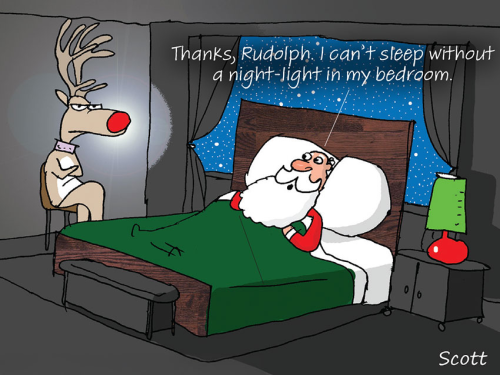
SANTA-JOKE ZONE:
********************