
Third Friday Update – June Edition
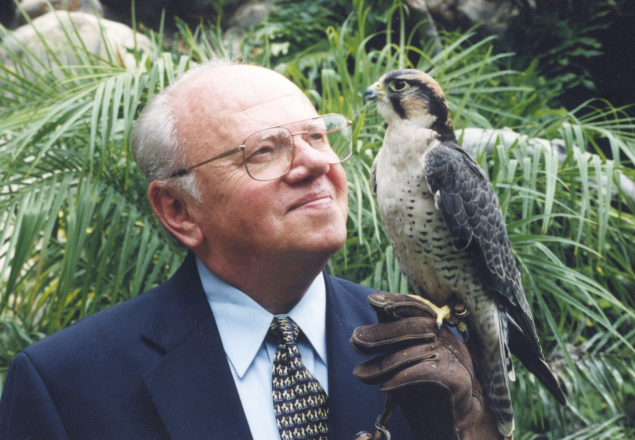
Remembering Zoo Director, Ed Maruska
It was with great sadness that I heard the news of the death of Ed Maruska this weekend. Ed served as Director of the Cincinnati Zoo from 1968-2000, leading with a strong hand and a belief that he could transform this small corner park into one of America’s leading zoos. The Cincinnati Zoo & Botanical Garden we have today is proof of Ed’s leadership.
Ed was 88 when he died of cancer, but was sharp as a tack all the way through. All that knew Ed well know that he was a family man, well=read, curious, at times head strong, and a life-long learner. His great skill as a zoo director is that above all Ed Maruska was an animal man. Through a lifetime of experience, learning, debating and thinking Ed had the most remarkable ability to know the condition of an animal and how to stretch the limits of what might be the best way to create a habitat for them at the zoo. By 1970, with the birth of Sam & Samantha, our first lowland gorilla births, Ed was able to convince the zoo board that we could get crowds of visitors with our animal exhibits and we didn’t need unrelated things like the Food & Home Show, or Playland and the rides at the back of the zoo. Later in the 1970s Ed created innovative facilities like the world’s first outdoor barless gorilla exhibit, the first Insectarium to show the public the importance of biodiversity, and the first major education center, including a full time public high school. In the 1980s the zoo founded CREW, the Center for Conservation and Research of Endangered Wildlife, an outgrowth of Ed’s belief that there is still much to learn about reproductive biology that can aid endangered species. These programs and many others created during Ed’s tenu8re have stood the test of time and are thriving today.
The Cincinnati Zoo prospers today, and it is a truth we hold self-evident that our success and our vital role in the community are built on the shoulders of those who came before us, and principally on the leadership of Ed Maruska.
He will always be remembered at the Cincinnati Zoo.
Thane
Zoo Updates:
Cincinnati Zoo & Botanical Garden = Best Zoo!
USA TODAY’s 10Best editors announced this morning that Cincinnati Zoo & Botanical Garden took the top spot in the Best Zoo category in its 2021 Summer Readers’ Choice poll! It also earned the number two spot in the 10Best Botanical Garden category.
“It’s wonderful to be recognized for being a great Zoo AND a great Botanical Garden,” said Cincinnati Zoo & Botanical Garden director Thane Maynard. “Some people who come here to see Fiona or Rico are surprised to discover that they are surrounded by a world-class botanical garden! We thank everyone who voted for us in both categories.”
Click Here to Read More
Father’s Day at the Zoo
Click on the link below to learn more about the events of the day!
https://cincinnatizoo.org/news-releases/dads-get-free-admission-this-sunday/
The Birds are Back!!
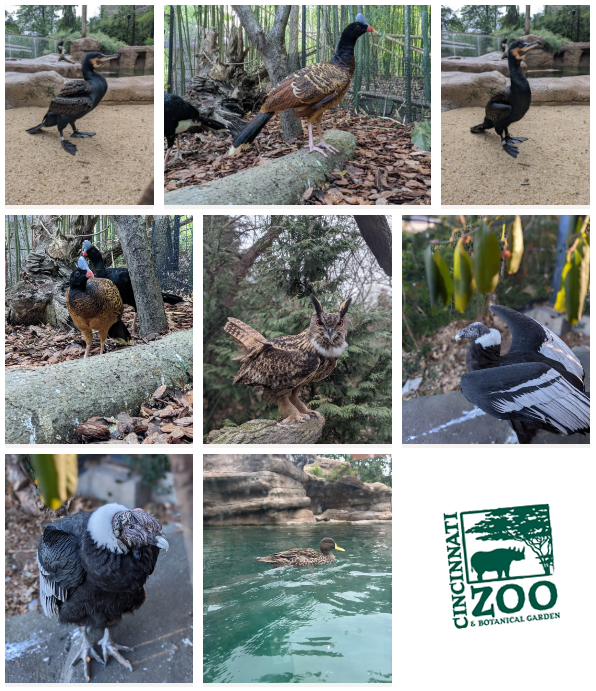
With the HPAI restrictions being lifted, birds are going back on habitat and are now available for your viewing pleasure!
-
All of the Flight cage birds are now back – Ruddy shelducks, Magpie Geese, Pied Imperial Pigeons, Ring-billed Gulls, Lady Ross’ Turacos, Red-legged Seriema, White Ibis, Hamerkop.
-
All birds back in Savanna yard in Africa – Pink-backed Pelicans, Crested Guineafowl, Ruppell’s Griffon Vulture, Lappet-faced Vulture
-
Cormorants and Yellow-billed Duck in African Penguin Point
-
Andean Condors and Bald Eagles
-
Moluccan Cockatoo and Cereopsis Goose at Outdoor South America
-
Blue-throat Macaws, Scarlet Macaw and Blue and Gold Macaw and Helmeted Curassows in Jungle Trails
-
Eurasian Eagle Owls back on exhibit near Snow leopards
ZooTales
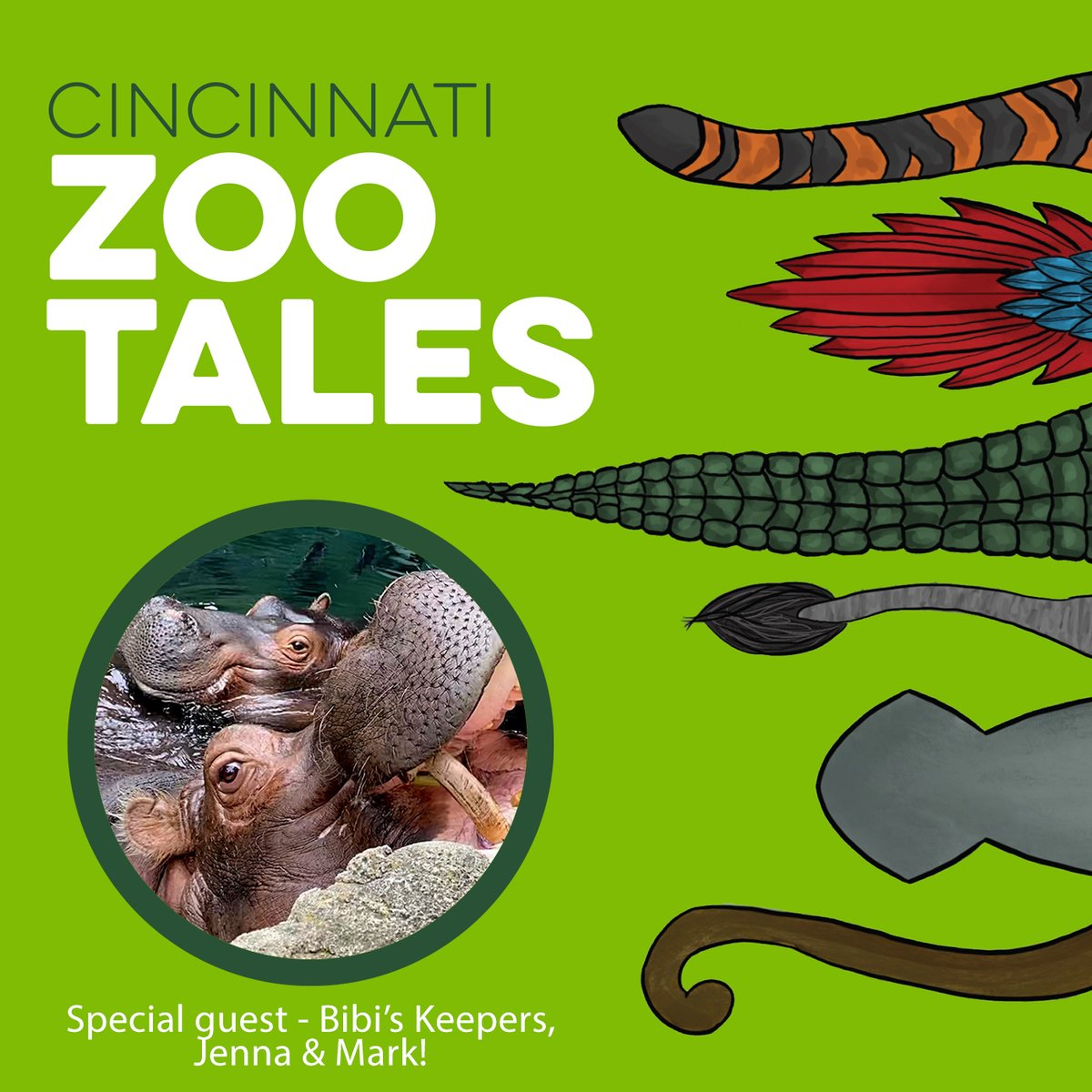
Bibi Baby Bonus Episode! Get all the details about her pregnancy from her keepers in this new Cincinnati Zoo Tales podcast episode.
Click Here to Listen
Ryan Dumas
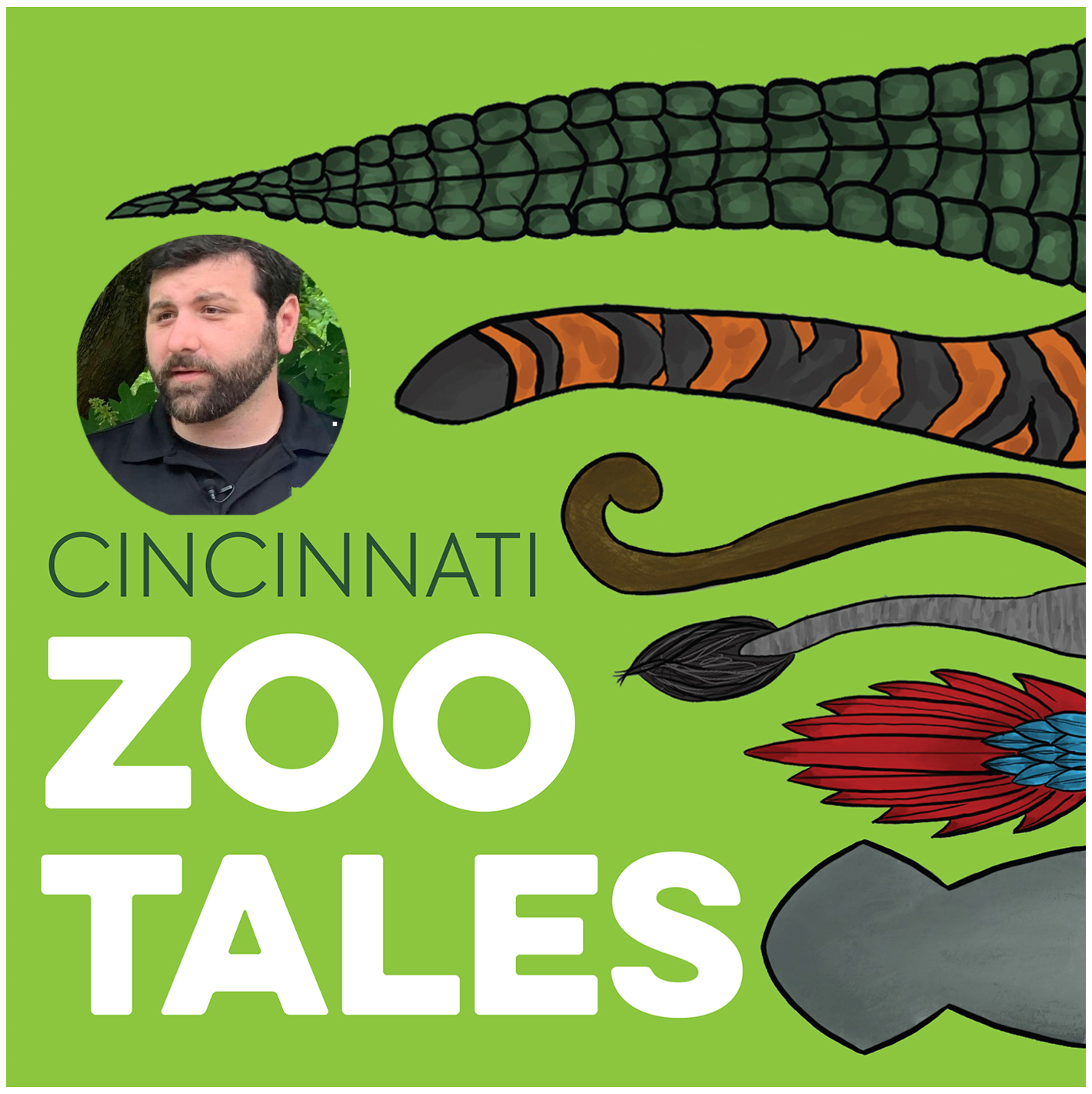
Ryan Dumas is the Head Keeper – Reptile. Listen to his podcast episode to learn all about the reptiles and amphibians here at the zoo as well as some of the field work Ryan has participated in. Ryan even opens up about his favorite animal here at the Zoo! Make sure to listen!
Click Here to Listen
HippoCam
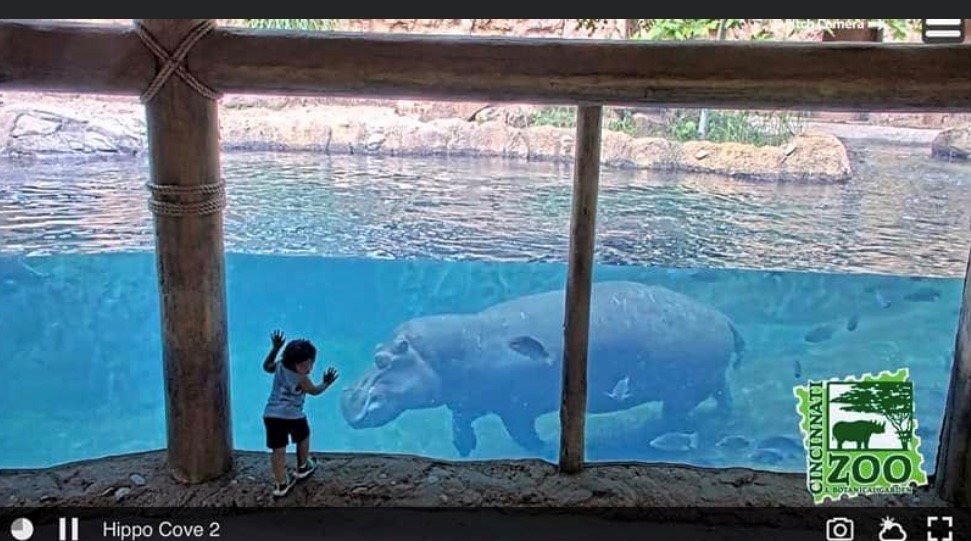
Productivity has definitely decreased since we launched the Live Hippo Cam! For $25 a year Fiona fans from around the world can check out what is happening in Hippo Cove every day! All regular zoo membership include access to the Live Hippo Cam too!
Fiona’s Sundae Fundae
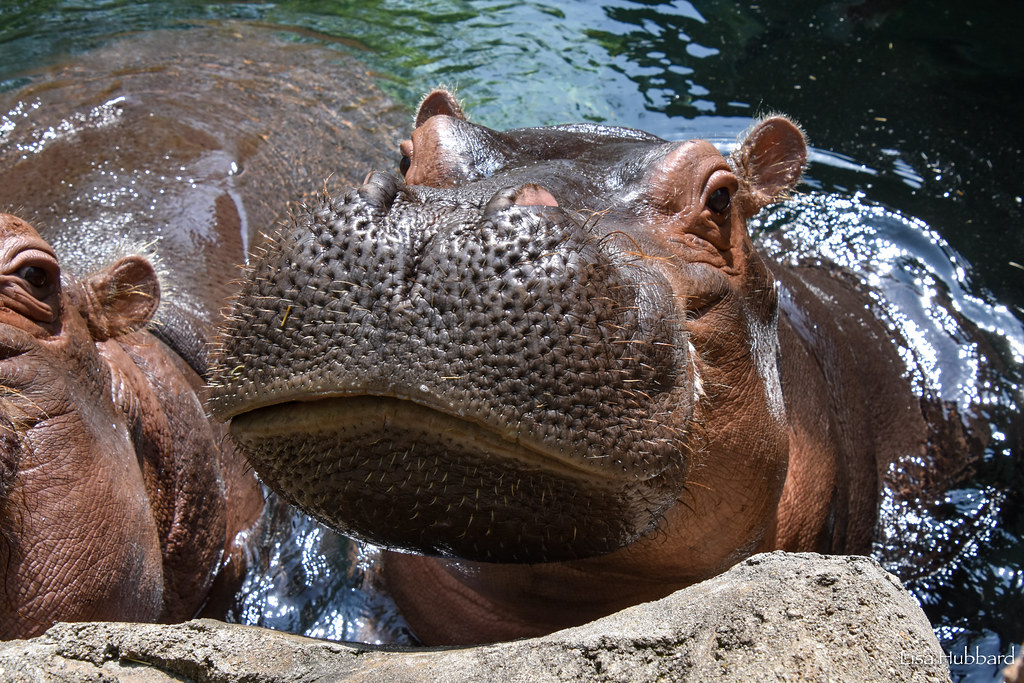
Get ready to party like a hippo princess during Fiona’s Sundae Fundae on July 31, from 6:00pm – 8:00pm. Tickets on sale now
Click Here to Buy Tickets
Just For Fun:
Stamps
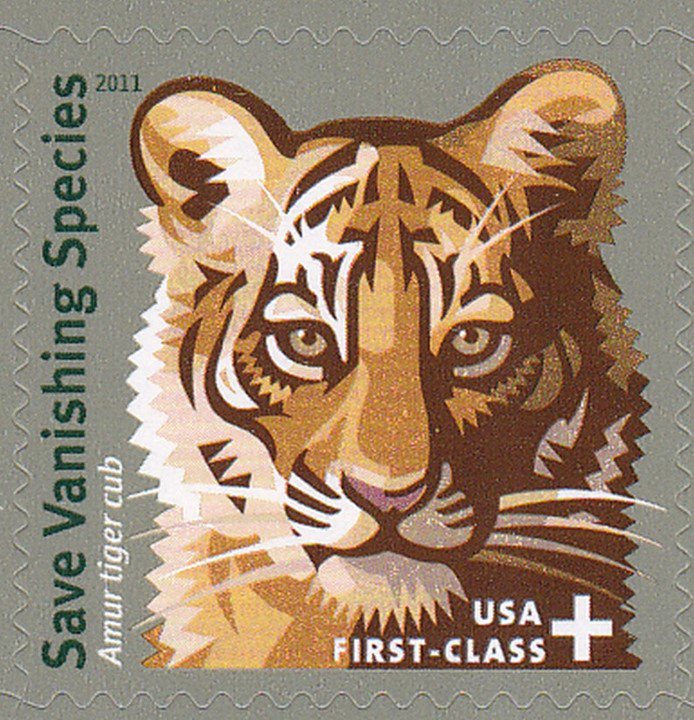
Buy a Stamp, Save a species! Let’s all celebrate this achievement by purchasing Save Vanishing Species Stamps!
Click Here to Read More
Tom the Wallaby
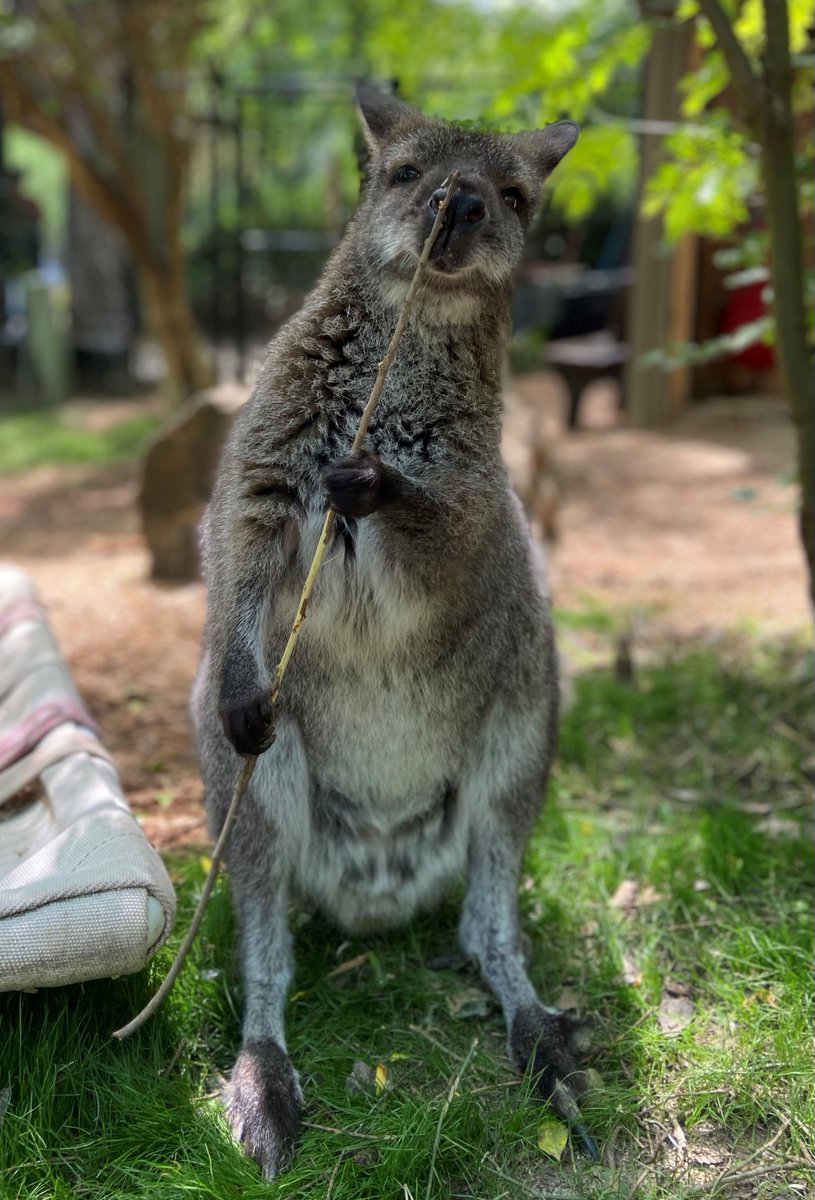
Tom the wallaby looks like he’s ready for a hike! Kangaroos and wallabies are in the same family, with wallabies as the smaller of the two. During the day, the wallaby rests among dense patches of shrubs within the forest.
Dakota
Dakota is a male saki monkey! It’s easy to tell whether an adult white-faced saki monkey is male or female. The males are all black except for the white fur around their faces while the females are overall brown.
Happy eating sounds from Dakota the white-faced saki monkey! pic.twitter.com/zA1MJOYJVQ
— Cincinnati Zoo (@CincinnatiZoo) June 15, 2022
Kangaroo
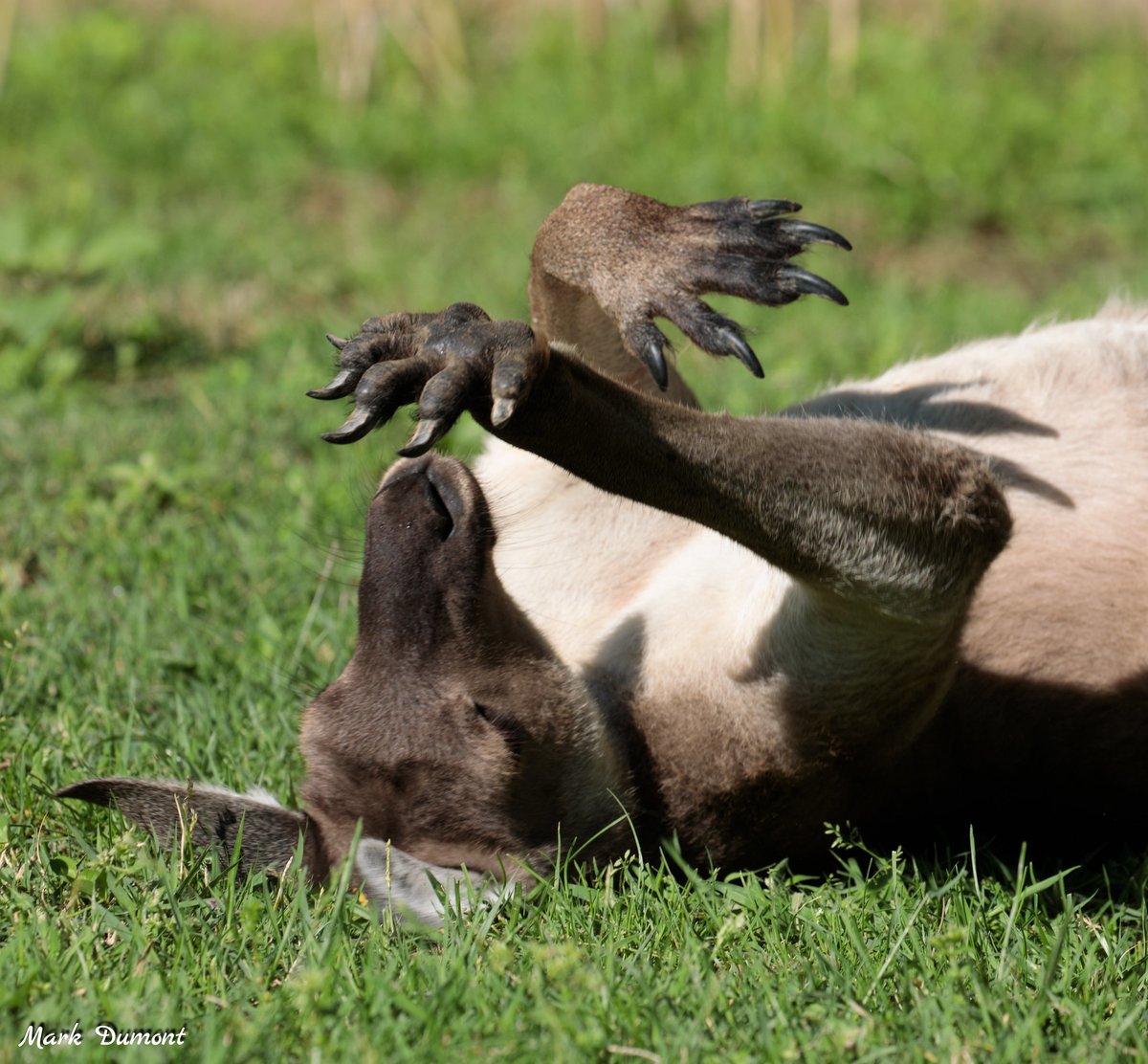
Kangaroos front paws have 5 toes, each ending in a long, curved claw. The underside has a course paw pad. They do not however have opposable thumbs. Kangaroos use their front paws for eating, grooming, fighting, and crawl-walking.
Poison Dart Frog
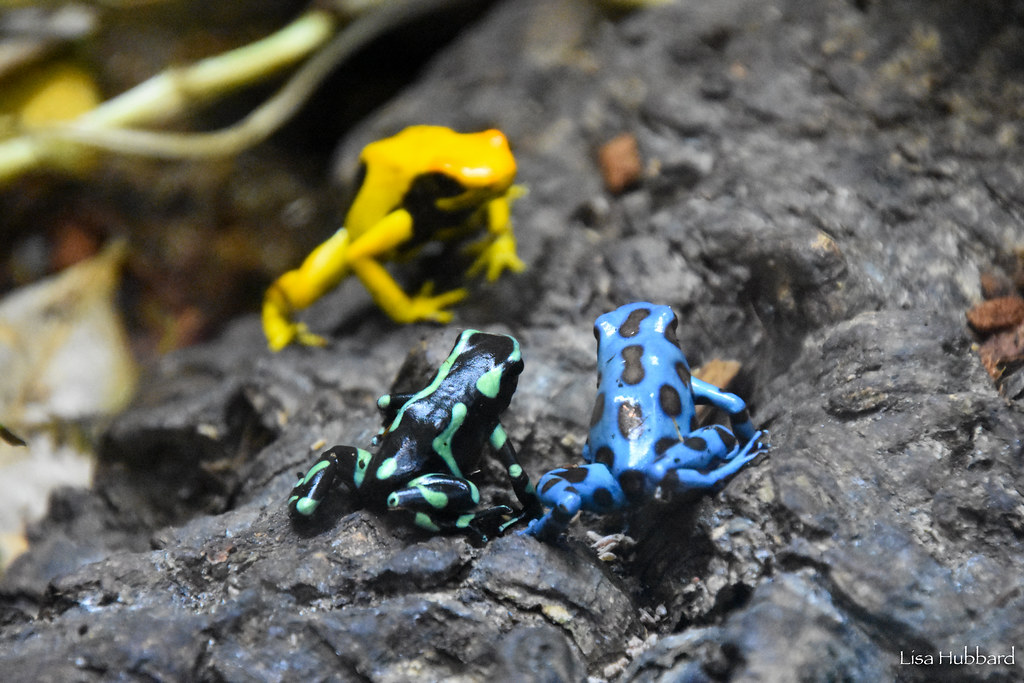
Believe it or not, the two closest Poison Dart Frogs are actually the same species! Different populations can vary in color. These frogs are examples of an aposematic species, meaning that their bright colors warn potential predators that they are toxic.
Nutmeg
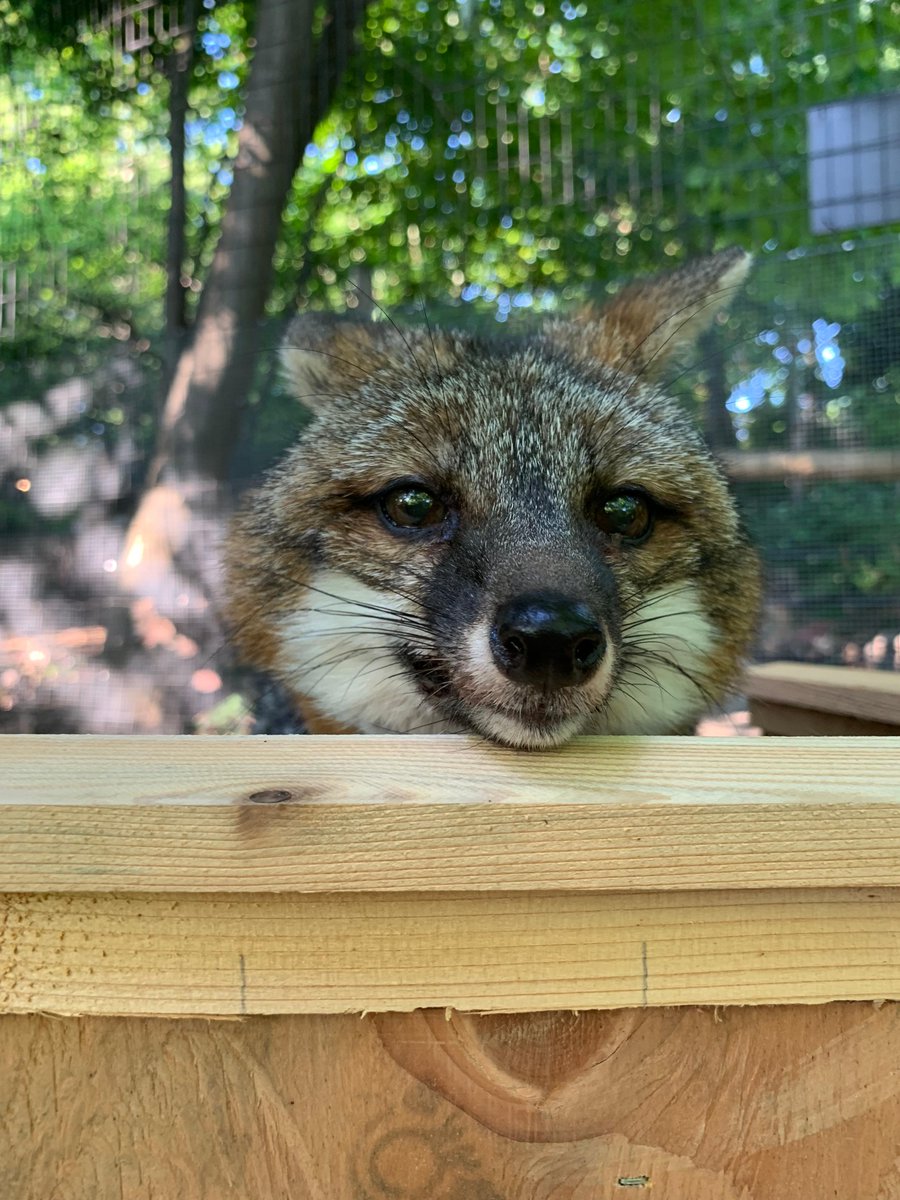
Nutmeg the grey fox peeks over to say hello! Also known as the tree fox, the grey fox is the only member of the dog family that can climb trees.
World Ocean Day
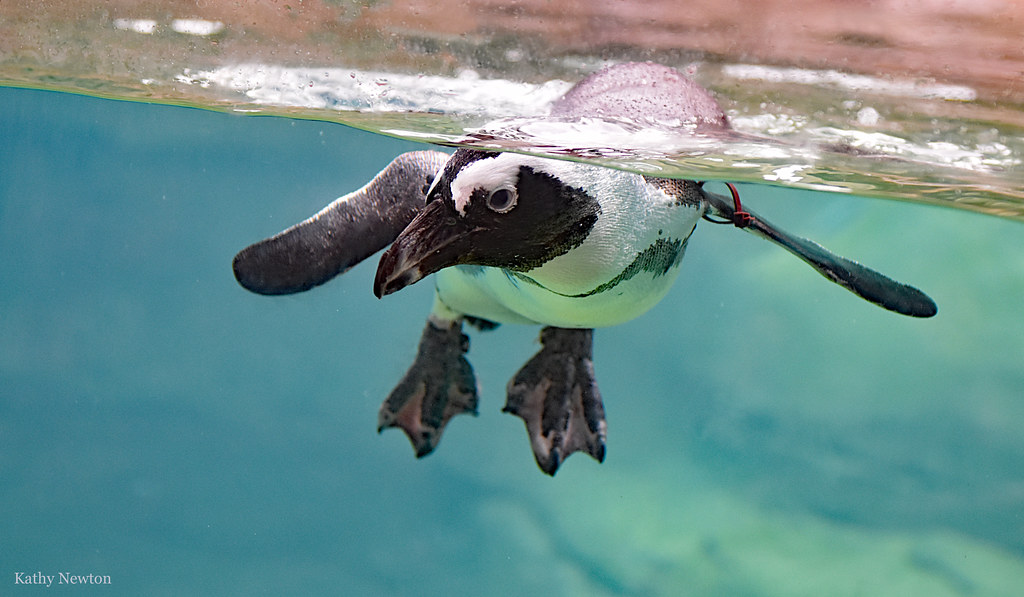
June 8th was World Ocean Day! 1 ocean, 1 climate, 1 future. To keep building a better planet together, urge your nation’s leaders to protect 30% of our ocean by 2030.
Click Here to Learn More
Sandstone Fossil
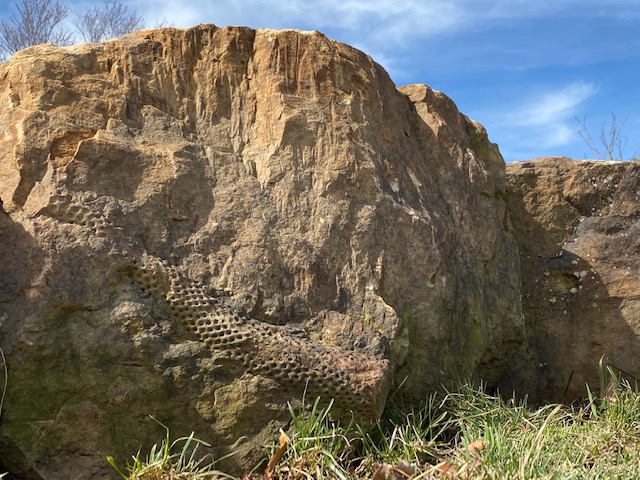
Giant sandstone boulders were brought in from Northern Illinois to create an outdoor amphitheater at Bowyer. Someone spotted a large fossil on the face of one giant boulder so it was placed it in a prominent spot for all to enjoy. The next time you visit Bowyer, see if you can locate it!
Mike Hoge, a retired geologist spent 40 years in oil exploration and environmental remediation. His main interests have been in sedimentary rocks and the water and oil in them. Mike volunteers at the Cincinnati Nature Center and helped Bowyer Farm with the following information. Mike said – According to is a very unusual preservation of an upper Paleozoic (Carboniferous, probably Pennsylvanian age) tree. I’m basing this on your report of the origin of the sandstone-southern Illinois- and the checkered nature of the bark. During Carboniferous time, most of Illinois was under a shallow sea and located around the equator, along with the rest of the North American continent. This kind of foliage (genus and species unknown to me – I’m definitely not a paleobotanist) lived on deltas that subsided and became buried in sand deposited in the littoral continental shelf. Preservation and fossilization depended on rapid burial in sand to remove the tree from the atmosphere. Unlike this preservation style,, most of the foliage of this time was buried under clay deposits, with no access to oxygen, and became coal. This Is where the geologic age name “Carboniferous” came from.
Mike added – I have seen such a thing once before, in the lower Cook inlet, Alaska. It was a tree trunk encased in sandstone, but it was much more recent than this one, late Tertiary or younger.
Mike consulting the following for his comments: Ill.Geological Survey, Prairie Research Institute“Build Illinois:The Last 500 Million Years”
Sunning
Sassafras, the screech owl, sunning. 🌞 pic.twitter.com/9uVTwZeq9o
— Cincinnati Zoo (@CincinnatiZoo) June 5, 2022
Gorilla
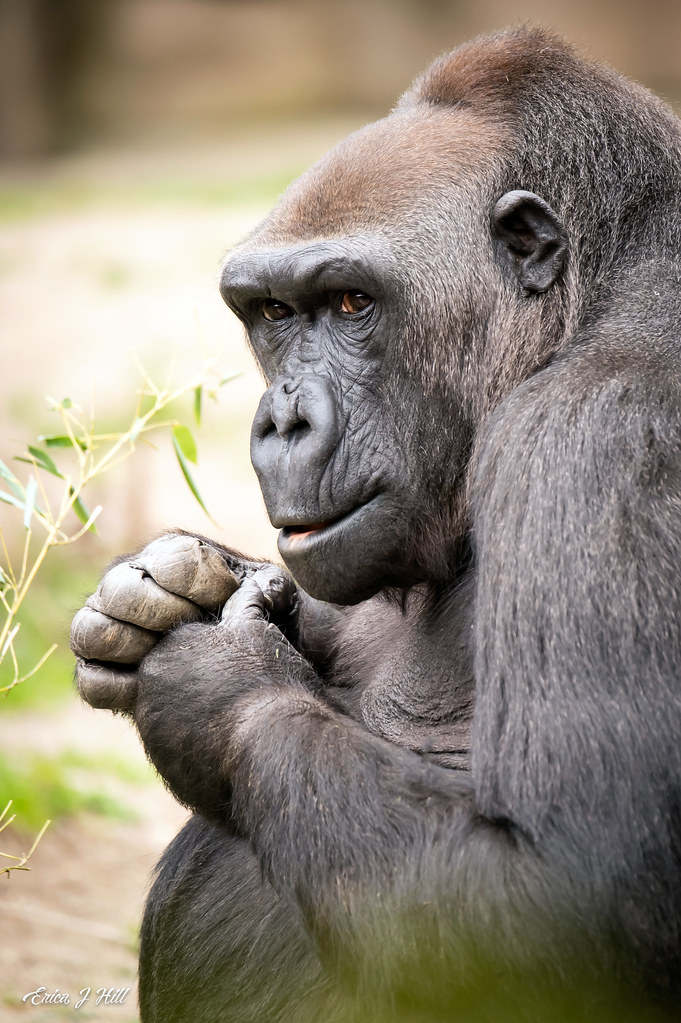
The gorilla is the largest living primate. A gorilla must spend most of its day eating plants to maintain its large size. Gorillas and humans are close relatives, and share many things in common. They are very intelligent, have emotions and personalities, and live in family groups.
Galapagos Tortoises
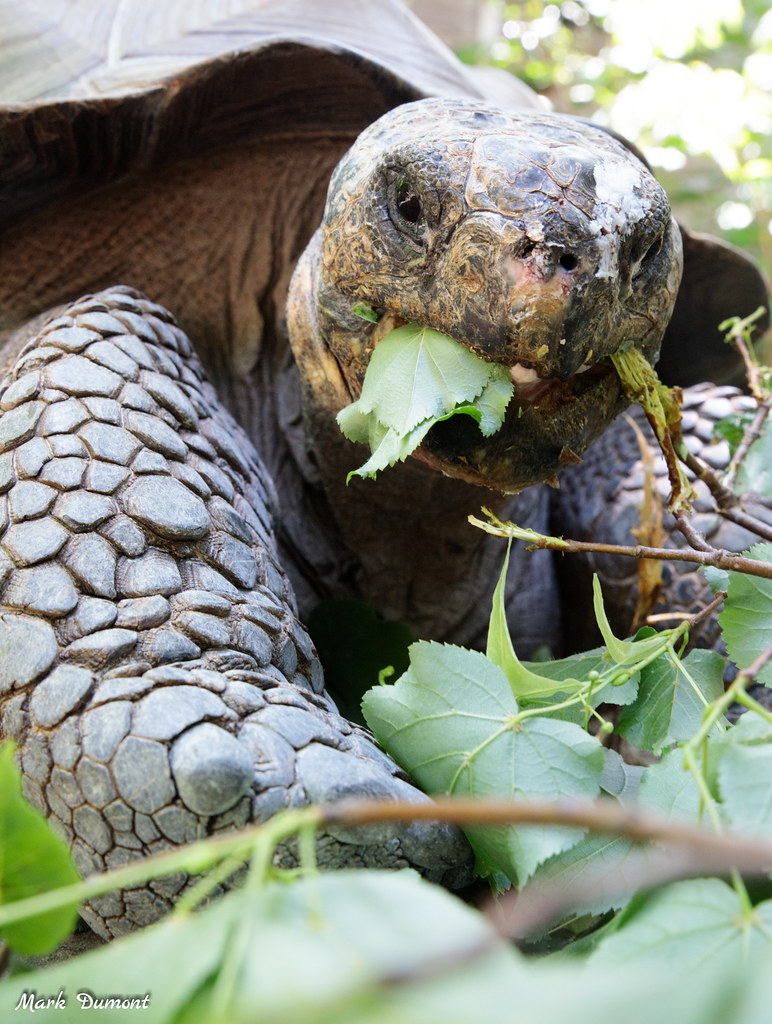
Galápagos tortoises amble along at an astonishing 0.16 miles per hour. Humans walk at an average speed of 2.8 miles per hour.
Elephant
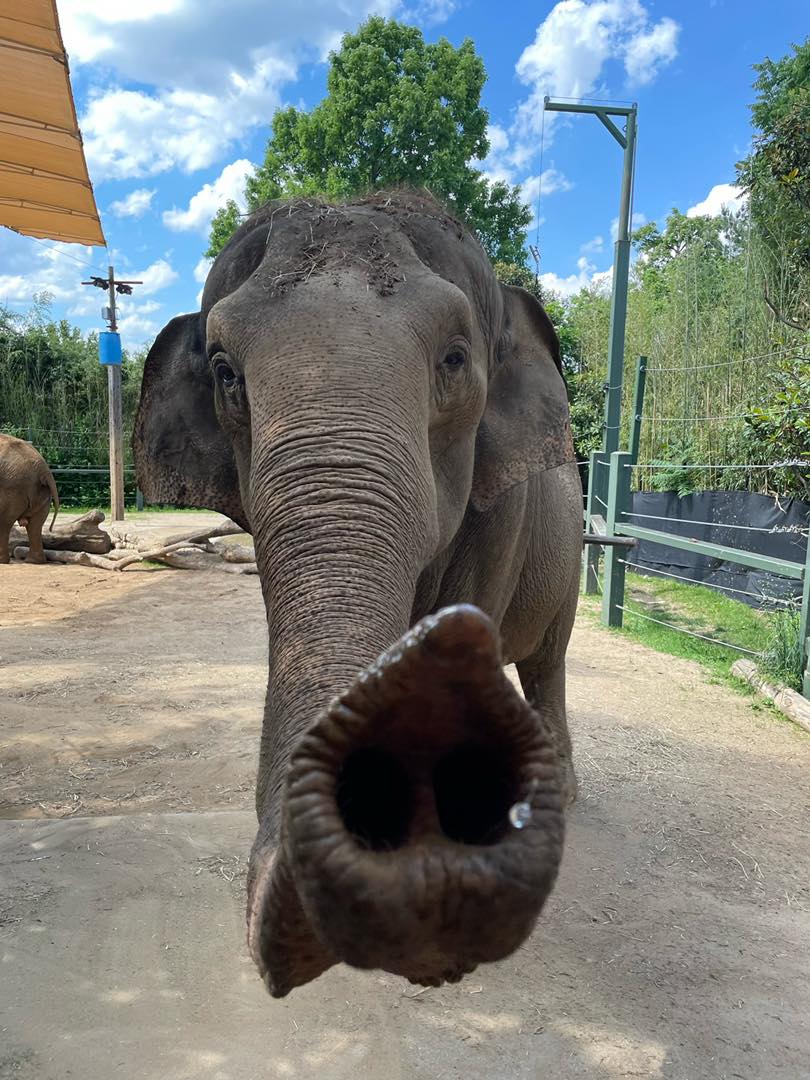
A human has more than 600 muscles in the entire body. An elephant has up to 40,000 muscles in their trunk alone! Elephants use their trunks to help them suck up water for drinking, pick up or touch objects, trumpet warnings, and greet one another.
Plant & Animal Information:
Fiona Update:
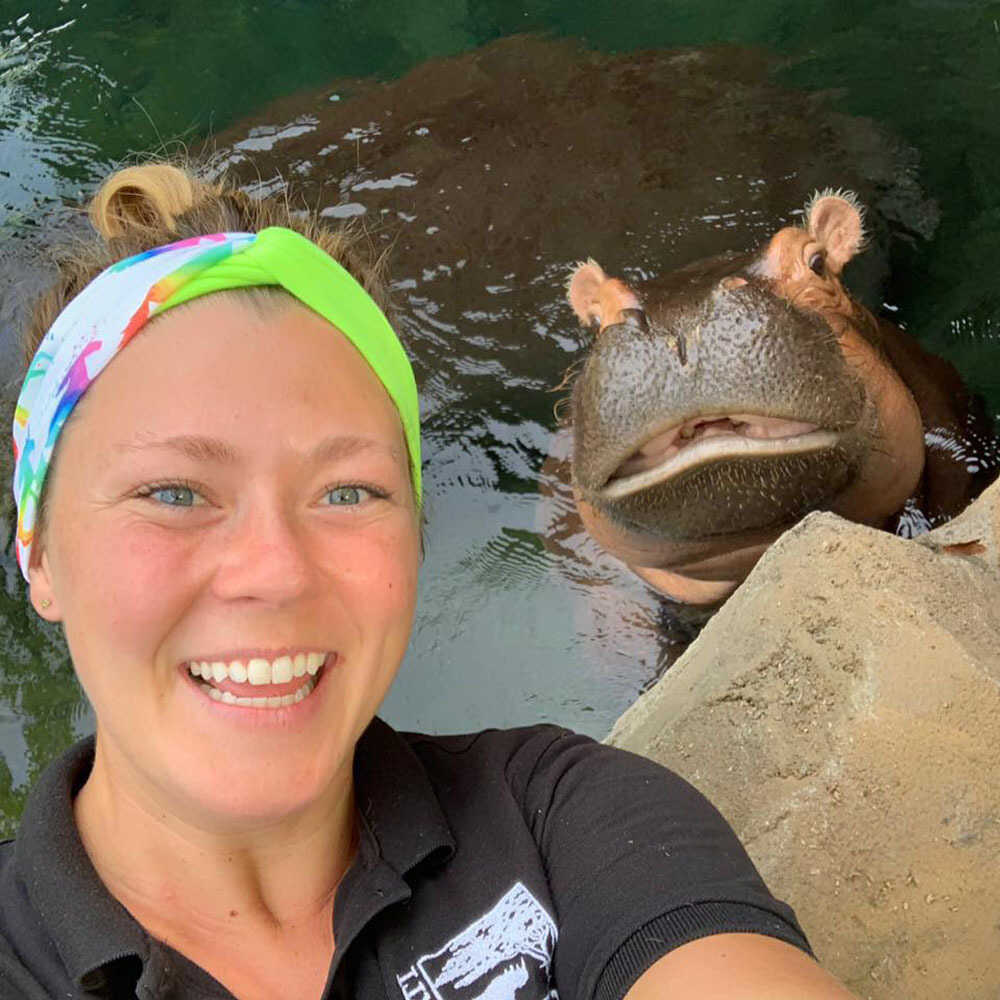
Jenna had some more facetime with the cameras when Channel 5 came to the Zoo to ask the question that is on the lips of so many people, “Will Fiona the Hippo ever leave Cincinnati?” Click on the link below to see what she said.
Click Here for more Information
Rhino Personality Test
https://cincinnatizoo.org/news-releases/cincinnati-zoo-rhinos-participate-in-personality-test/
Propagation Quonset
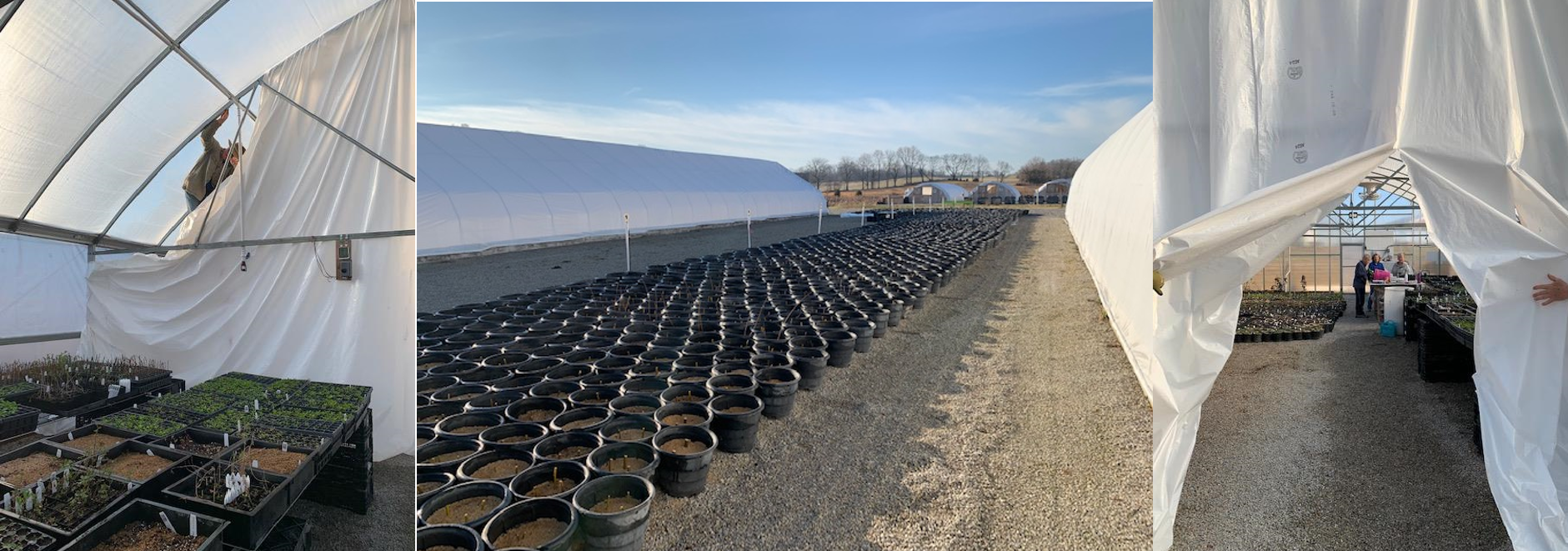
Our newly remodeled propagation greenhouse has been in full swing since mid-February. A curtain was hung in the middle of the house so we weren’t heating empty space. We have potted over 2400 one gallons for our native plant sales, most of which should be ready for the first sale in April. Our volunteers, 15 new this year, and Dani, our intern, have seeded over 100 tree, shrub and perennial species in the past 6 weeks and transplanted many of those into plugs after they have germinated. The crew have potted hardwood cuttings and root cuttings of different plants, including one of our newest ones, Bignonia ‘Goldfinch’. This week will see the potting of 100 quart flats for our pollinator kit program. Having this house will enable us to keep our volunteers productive and comfortable earlier in the season and also much later as well as extending our growing season by a couple of months.
We Get By with a Little Help from our Friends
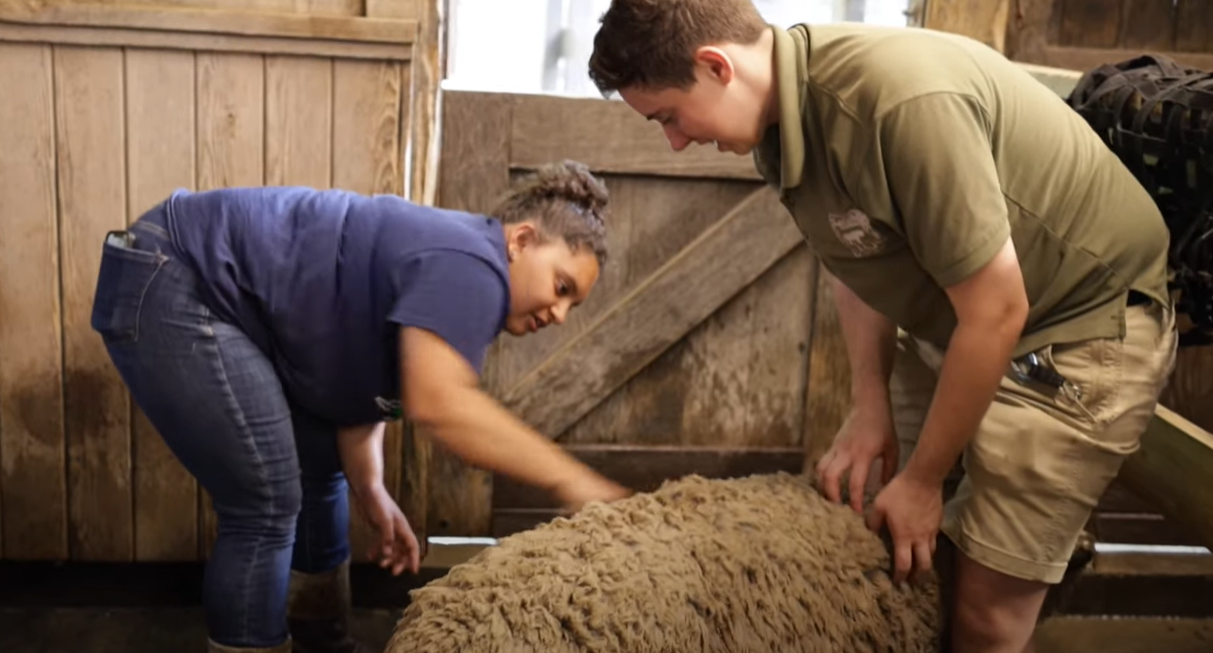
Children’s Zoo recently called on the help of the UK Extension agents to help shear our sheep.
Click Here to Watch the Video
Turtle Time
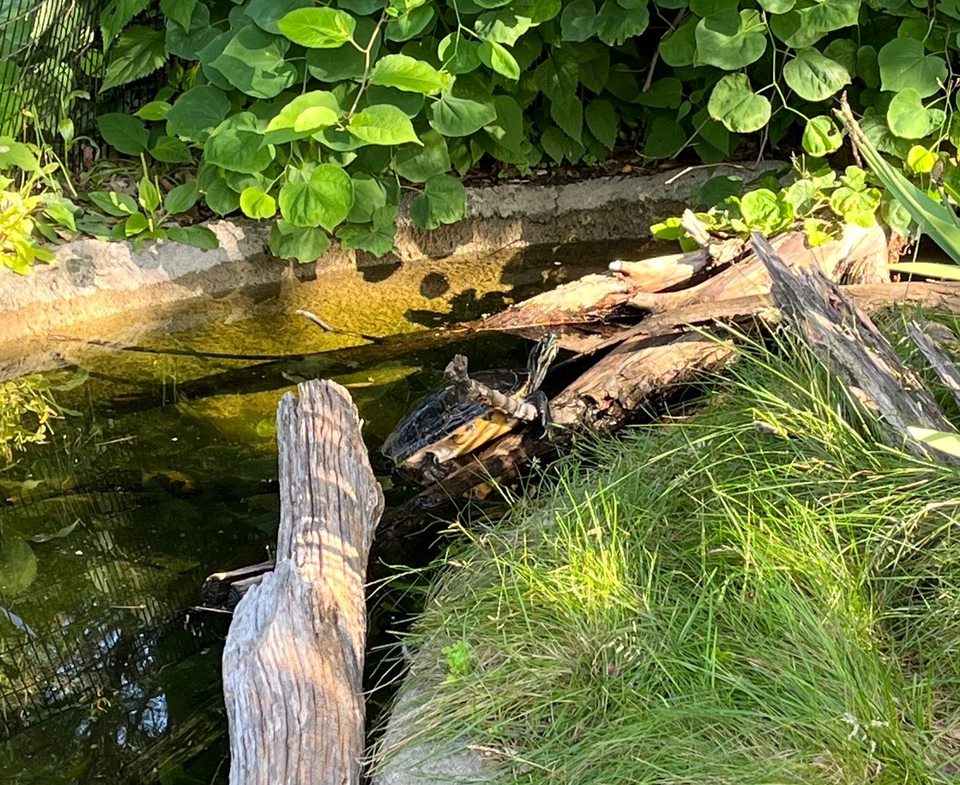
The Cooters and Mississippi Map turtle have returned to their outdoors exhibit outside of the Reptile house to enjoy the summer sun and heat! Make sure to go over and check them out!
Fishing Cat
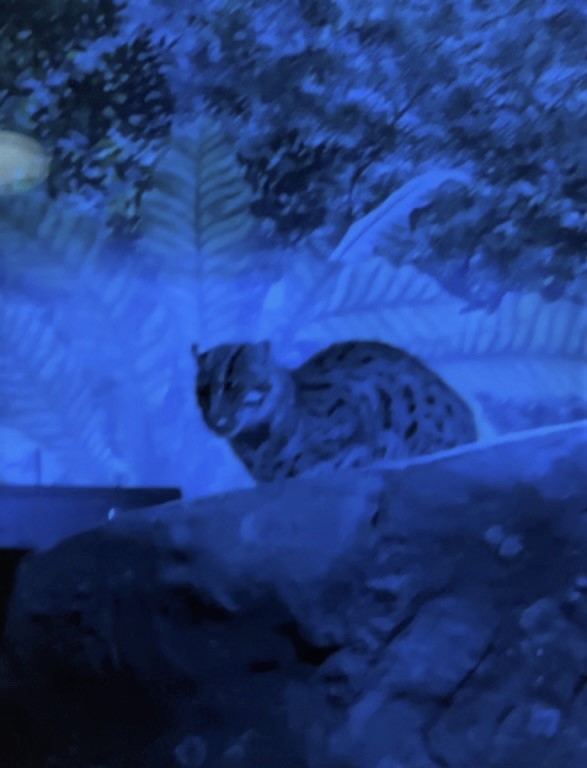
A new fishing cat named Juniper is settling in to her new exhibit in Night Hunters. Have you seen her yet?
Stellar’s Sea Eagle
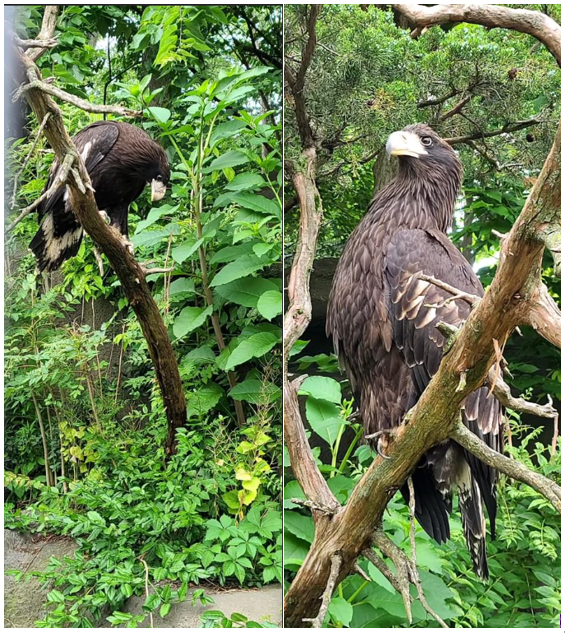
The Stellar’s Sea Eagle Chick has Fledged!
Bowyer Salamander Update
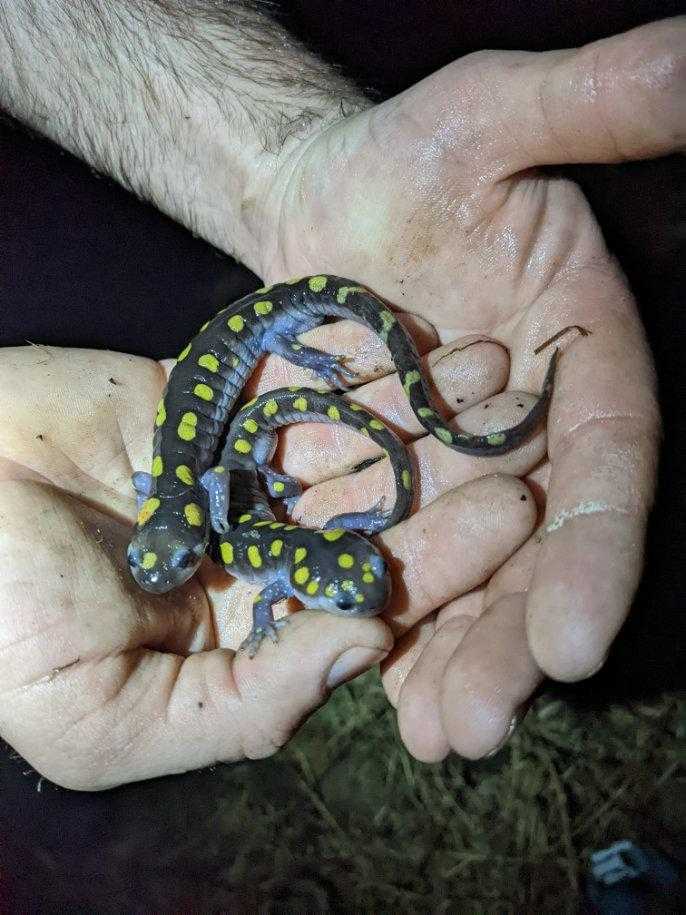
We have confirmed that we do have Spotted Salamanders ( Ambystoma maculate) breeding on the farm. Usually on a rainy night in February, Spotted Salamanders will meet at a vernal pool ( A pool of water that exists in the spring, but dries out later in the summer) and breed. It takes from 20 to 60 days for spotted salamander eggs to hatch. Like the tadpole stage of a frog, the salamander also starts out in a larval stage. It must be in water to survive until it develops into the adult salamander form, which takes from 60 to 90 days. We will be working to actively manage the property to ensure the continued existence of future populations
Daisy and Rozi Update
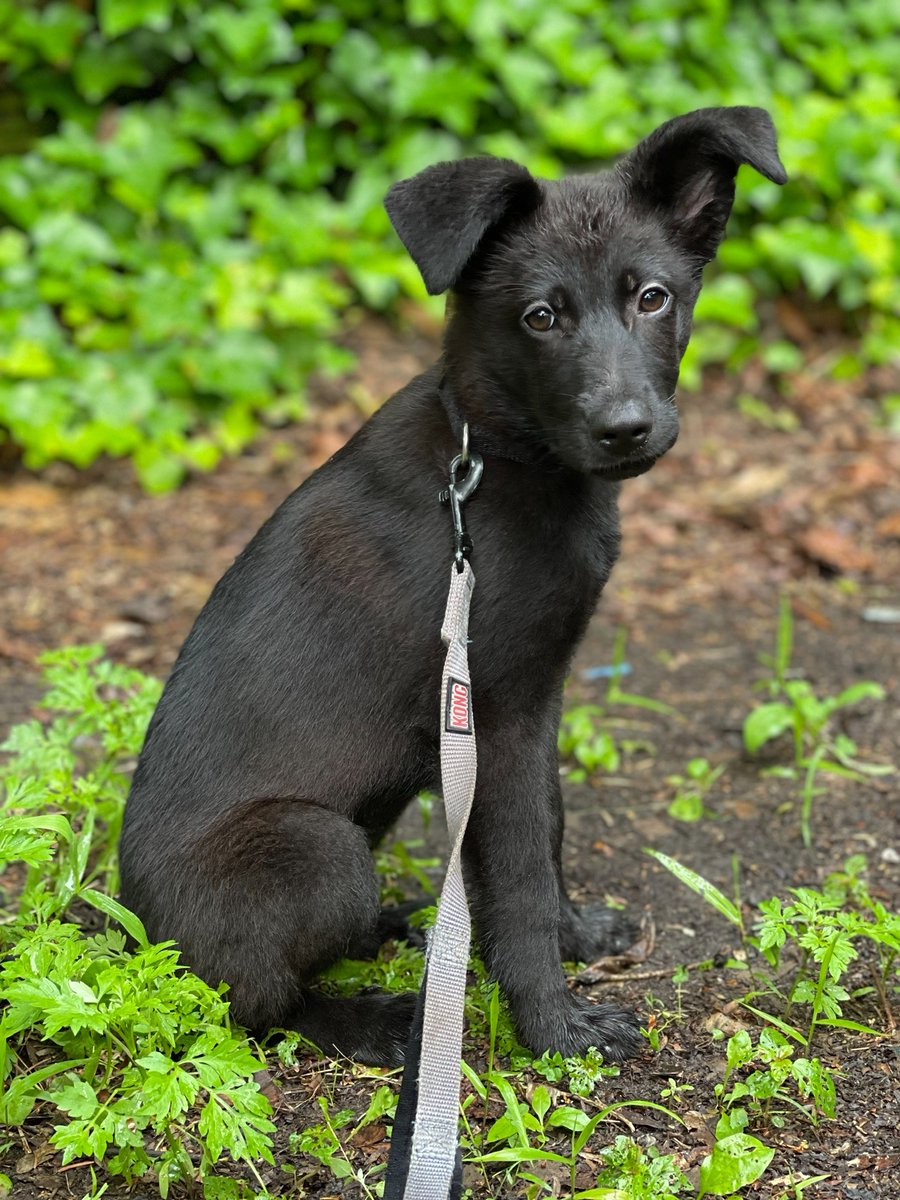
The votes are in! Say hello to Daisy! She will be Rozi’s puppy companion. They will be introduced soon! We adopted her from Animal Rescue Fund, Inc. and her liter mates are available for adoption if you’re looking for a puppy! pic.twitter.com/8LqgGwbeYU
— Cincinnati Zoo (@CincinnatiZoo) June 6, 2022
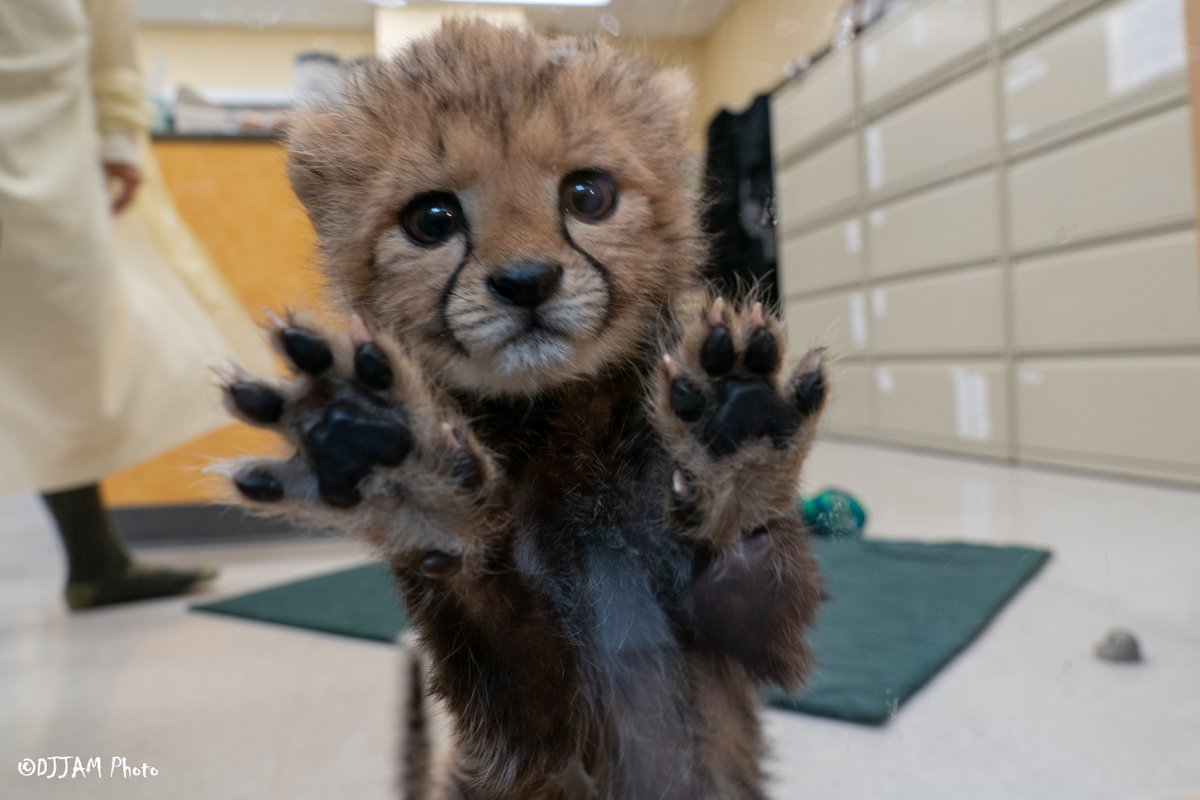
Here's a look at the first few weeks with cheetah cub Rozi! 🥹😻 pic.twitter.com/LI1x4TWVCg
— Cincinnati Zoo (@CincinnatiZoo) June 7, 2022
I don’t know about you, but I am so excited to see the interactions with Daisy and Rozi. It will be so fun to watch them grow! Hopefully we will be seeing some videos of their interactions very soon! As a bonus, check out the sweet video of a sleepy Rozi below.
Sleepy Rozi! 😻 This great video is brought to you by Great American Insurance Group. pic.twitter.com/sW0wTSAp3R
— Cincinnati Zoo (@CincinnatiZoo) June 16, 2022
Sloth Update
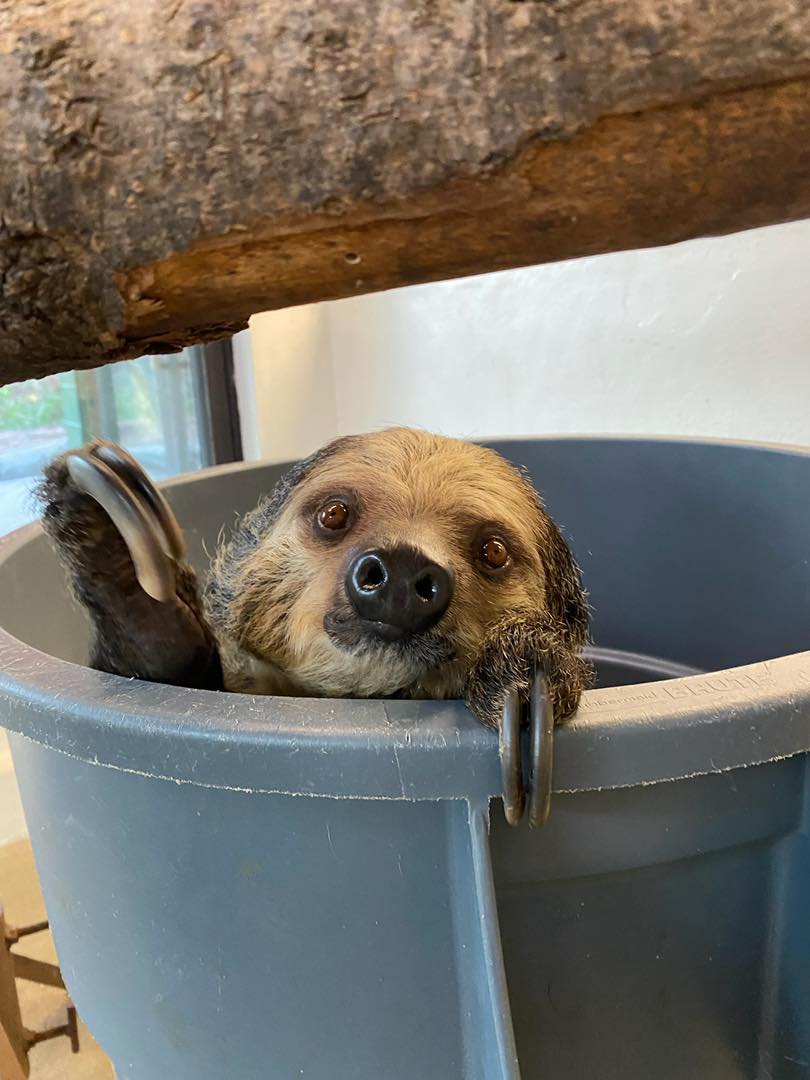
Our sloths, Lightning and Moe, are heading behind the scenes on a breeding recommendation. Fingers and claws crossed we will have a baby sloth in the future.
Birthdays
Fennesy
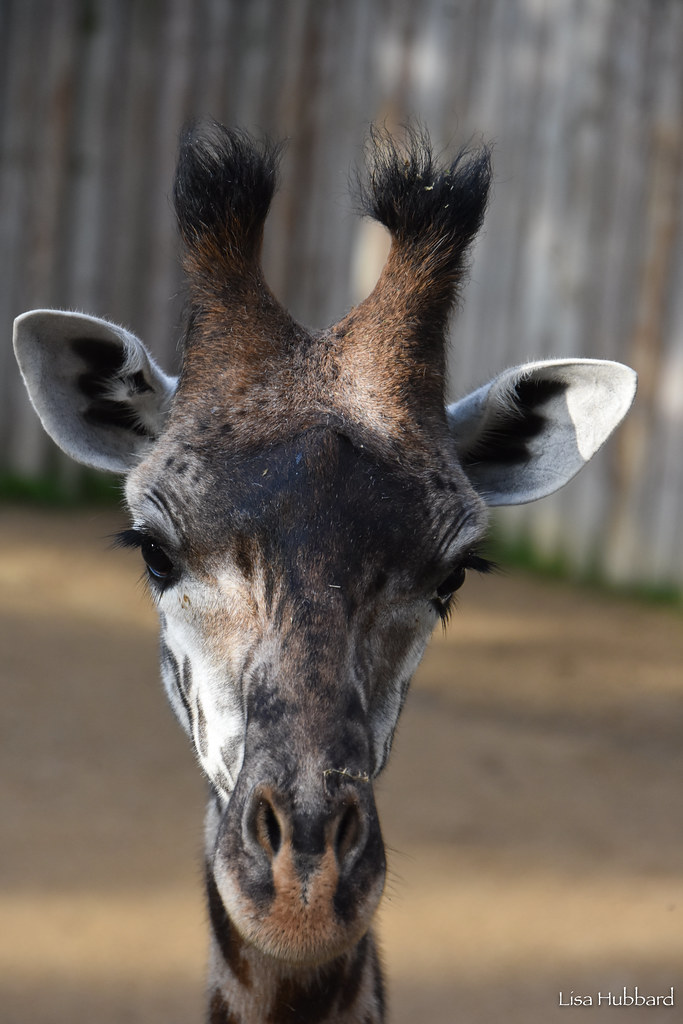
Happy 3rd Birthday to Fennessy! His birthday is June 17th. Fenn was named after giraffe conservationist and founder of World Giraffe Day, Julian Fennessy. The next World Giraffe Day is coming up on June 21!
Adana
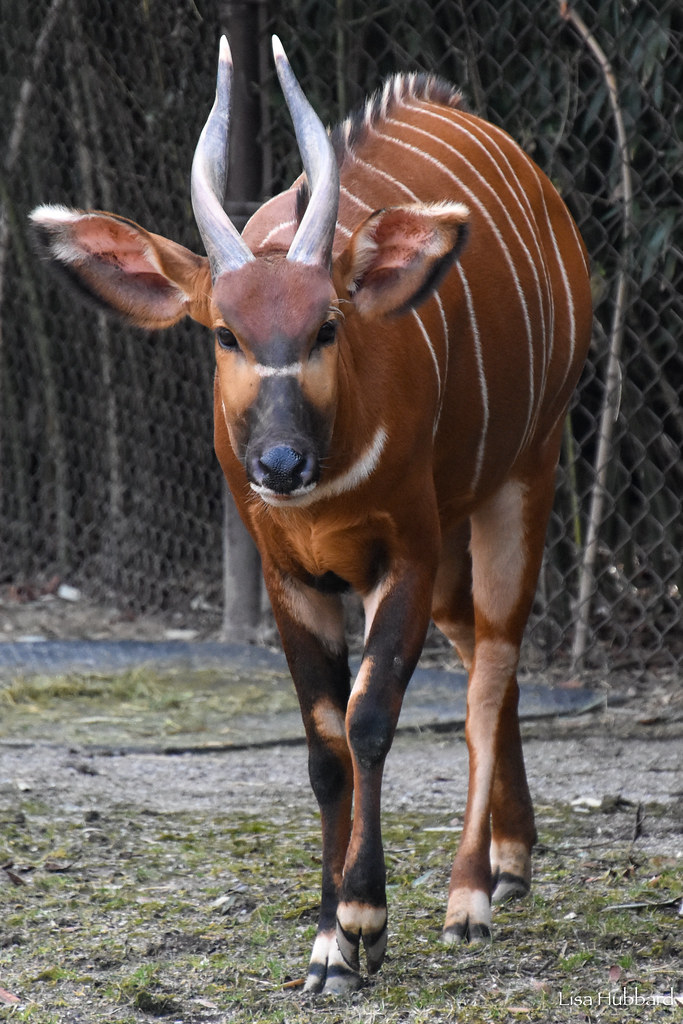
Happy 3rd Birthday to Adana the Eastern bongo on June 16th. Eastern bongos are critically endangered. Humans activities, such as hunting for bush meat or sport, deforestation and habitat fragmentation have contributed to the sharp decline of this species. It is estimated there are less than 200 in the wild, with an imminent danger of extinction despite surveillance and reintroduction from captive breeding programs. There are more individuals in zoos than in the wild.
Conservation News:
American Burying Beetle
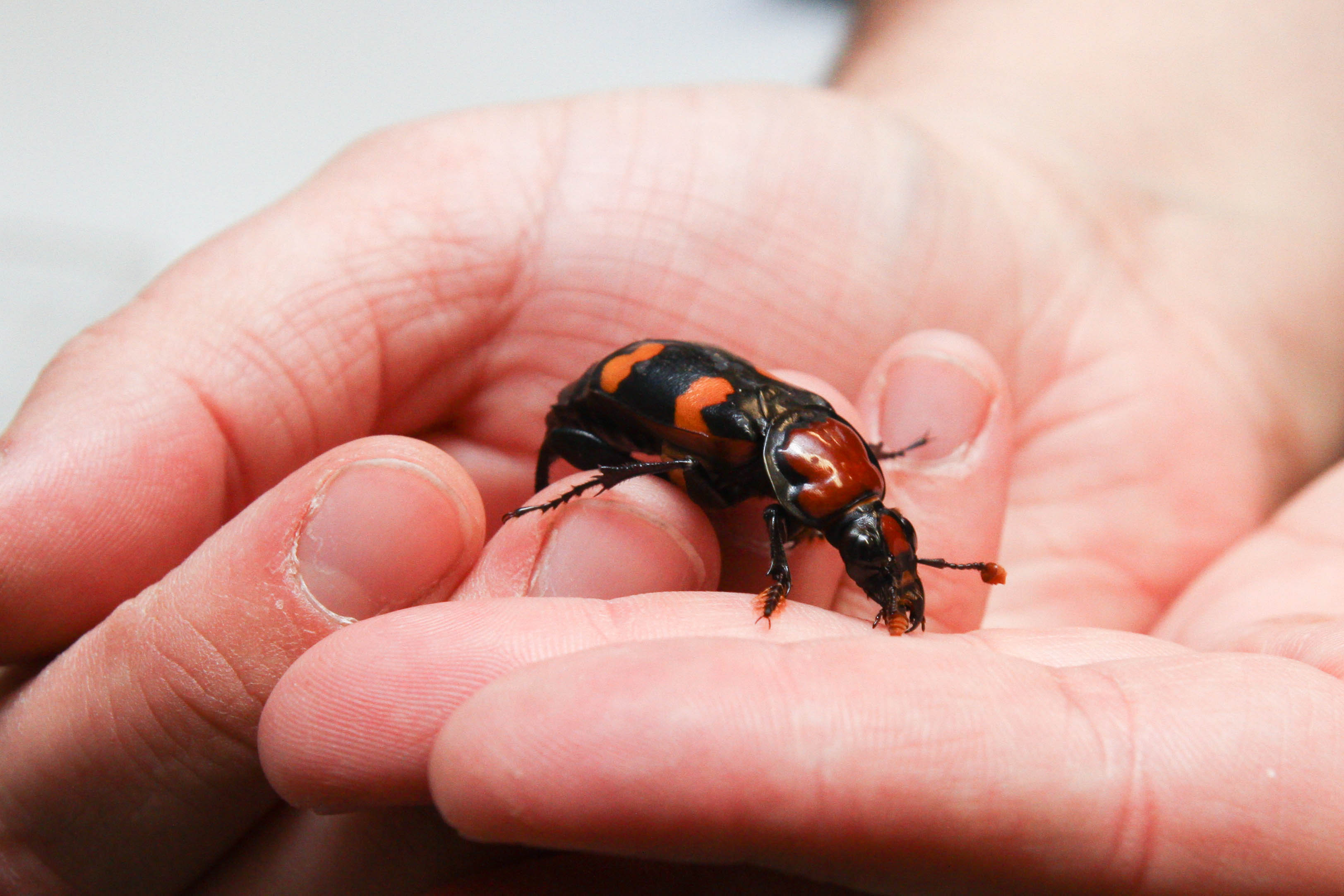
Have you heard about the wonderful work our insect team is doing to save the American Burying Beetles?
Click Here to Learn More
Once beetles are weighed & measured the majority of them are released. The team kept 30 males & 30 females who were set up in individual containers with relevant data.Keepers will drive these ABBs back to OH to breed in managed care to produce a reintroduction population for 2023 pic.twitter.com/qTdORUB6RQ
— Cincinnati Zoo (@CincinnatiZoo) June 9, 2022
Opportunities:
Aviculture Volunteers – Free Flight Aviary and WOW Bird Experience
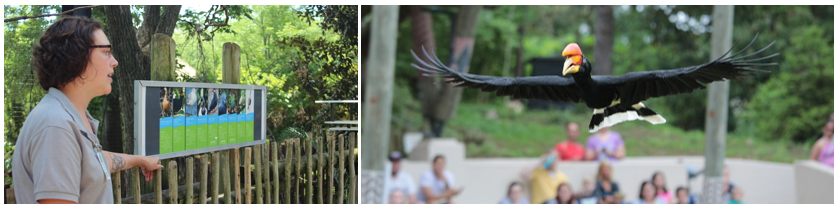
We still are accepting Volunteers for the Free Flight Aviary and the WOW Bird Experience. If you have any interest in Volunteering in either area, please contact me for additional information.
Native Plant Sale
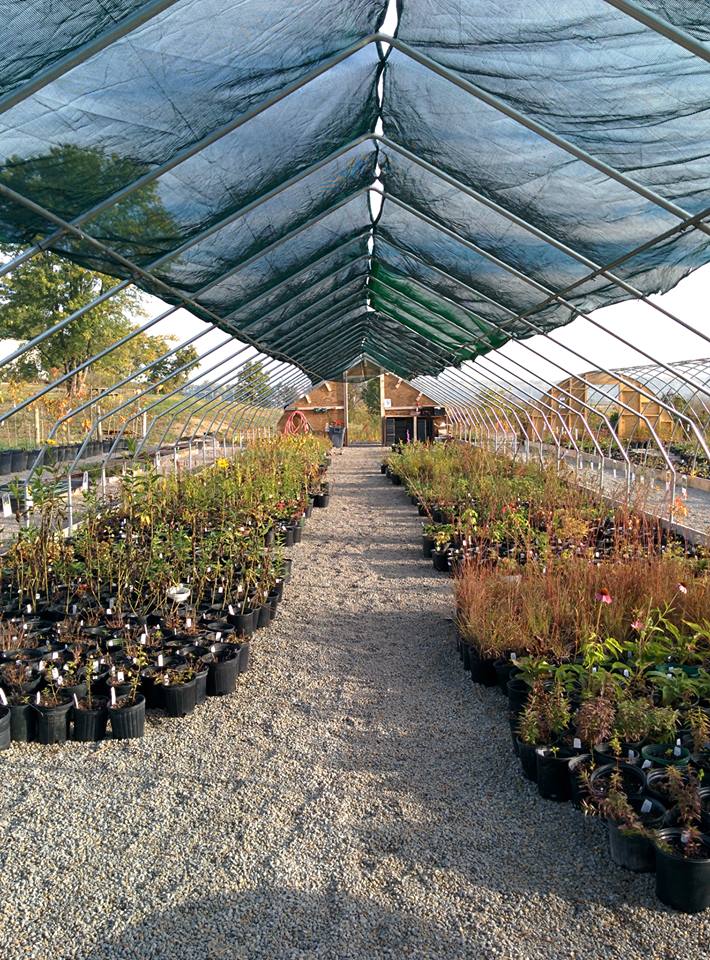
The 2022 Native Plant Sale dates are here! Located at the Zoo’s Bowyer Farm (2210 Mason Montgomery Road, Lebanon, OH), these sales offer a wide selection of reasonably priced, well-grown, hard to find, and ecologically important native plants.
Native plants, including ones found throughout the Bowyer Farm ecosystem, will be for sale. The preferred payment for all sales is credit card.
Dates: July 9, August 13, September 10, September 24, October 8
Contact Information:
 Brittany Garera-Stapleton
Volunteer Relations Coordinator
(513)559-7768
[email protected]