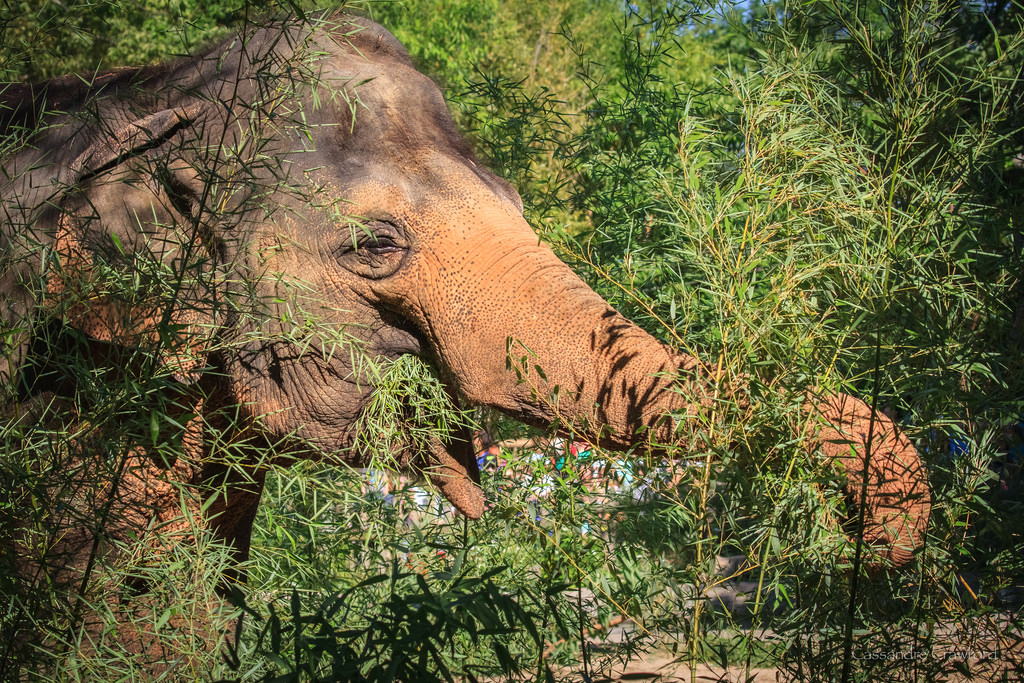
By now you have likely heard that the Cincinnati Zoo is under criticism from IDA, and unaccredited organization with an agenda to shut down all elephant habitats. So, I wanted to be sure you know that we remain committed to our elephant program and the completion of our big new Elephant Trek habitat. IDA targets those zoos that in many ways are doing the most impactful work with elephants for sustainability and welfare. Announcing our plans to build a world-class elephant facility most likely landed us on the list.
At the Cincinnati Zoo we work to inspire every visitor with wildlife every day, and that is why we are building the new $50 million facility.
The Cincinnati Zoo takes the care of our animals as a top priority, and the work that all of us do every day makes that possible. So we will continue to move forward with our elephant program and the loving care of Schottzie, Mai Thai, Jati and Sabu.
If you receive questions from visitors, please refer to the statement below. We are also providing this as a response to media inquiries.
Keep inspiring with animals!
– Thane
—————
Statement:
Cincinnati Zoo & Botanical Garden is home to four Asian elephants, a species that is critically endangered. Its elephant program is well respected and exceeds Association of Zoos and Aquariums (AZA) rigorous expectations and requirements.
The Zoo’s elephant team has more than 100 years of combined experience caring for these amazing creatures and is using this expertise, combined with industry-wide data-driven research, to provide them with the best homes. The excellent health that our two geriatric female elephants enjoy can be directly attributed to the excellent care that they receive. One of them even participates in regular “yoga” sessions to keep her limber.
The current elephant yard was expanded in 2019 to give the elephants more space, more enrichment opportunities, and day and night outdoor access. The facility is equipped with elephant welfare monitoring systems to ensure that the elephants have a diverse and engaging 24-hr experience that includes regular opportunities to engage in natural behaviors and exert choice and control over their environment. On a typical day, the elephants have access to the big yard and can choose to stay in or go out. The outside area includes a pool, multiple activity zones strategically located to encourage full use of the space, and designated spots for keeper training sessions.
The Zoo broke ground on a new elephant facility last summer and is on track to open Elephant Trek in 2024. The new habitat will be nearly five times the size of the current elephant yards and will include 4 acres of grass and sandy terrain, with trees, plants, rocks, and water features that mimic the Asian elephant’s native habitat. At the center will be a 22,000 square foot Elephant Barn – featuring a 10,000 square foot communal room with high ceilings where the elephants can congregate, socialize, exercise, and create strong family ties.
In suburban and urban communities, AZA-accredited zoos and aquariums are often the only way that children can connect with wildlife and nature firsthand. The only place they’ll ever see an elephant is likely at your facility, where they can also learn how they can take action to help species in other parts of the world.