Volunteer Updates & Opportunities
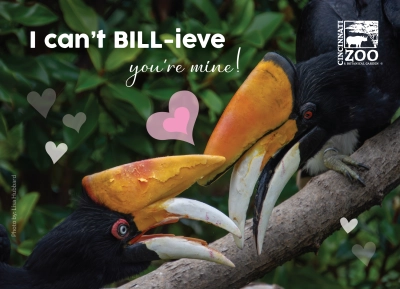
NOTHING SAYS LOVE LIKE SOME ZOO-VALENTINE’S-DAY FUN!
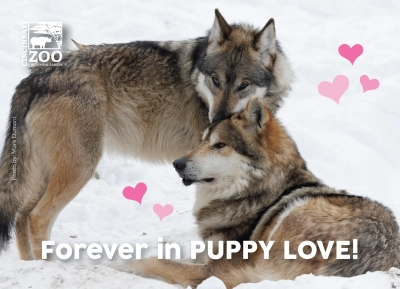
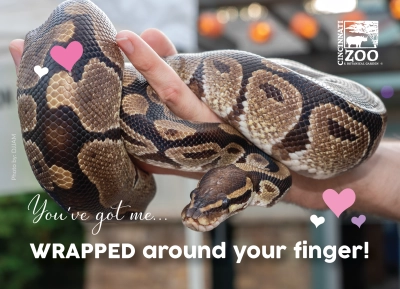
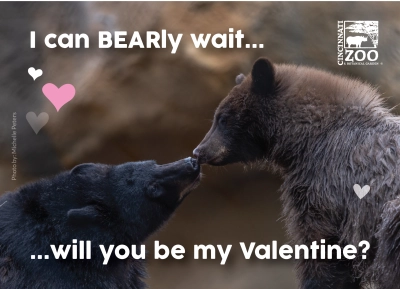
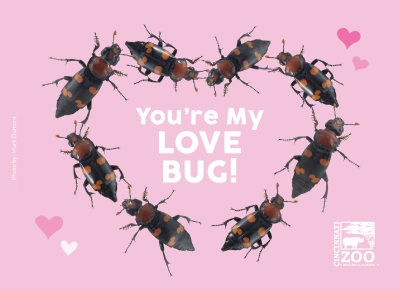
If you’re looking for something special to send to that certain someone in your life, look no further!
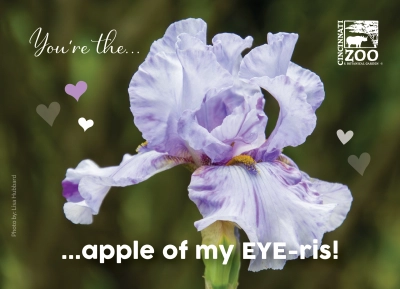
The Zoo is offering FREE Valentine’s Day cards (courtesy of Shannon Lawson).
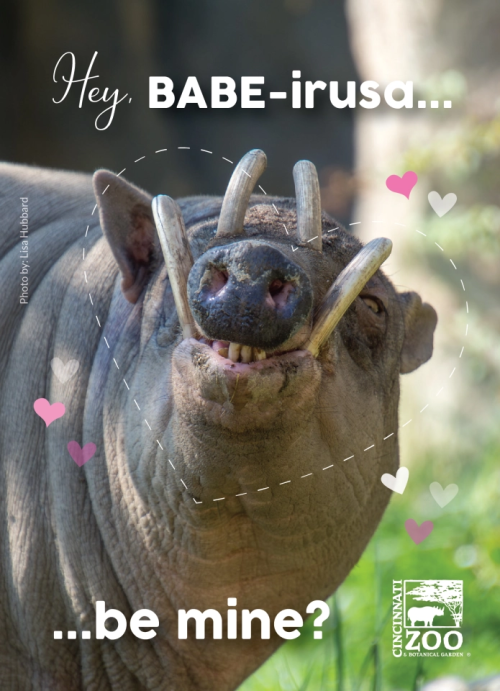
TO SEND A WILD VALENTINE, CLICK HERE (or on the handsome guy above)
********************
MAKING A SPLASH IN THE AQUATIC SCIENCES

********************
Handbags for Harapan! AAZK-Hosted Purse Auction for a Great Cause

🚨 Fundraiser Alert! 🚨
We’re kicking off 👜 Handbags for Harapan 🦏—just in time to treat your Valentine (or yourself 💗).
Who is Harapan?
Harapan is a Sumatran rhino whose name means “hope.” Born at the Cincinnati Zoo in 2007, he was the last of his species in the Western Hemisphere. In 2015, he made a 53-hour journey to Indonesia to join the Sumatran Rhino Sanctuary, helping strengthen the gene pool of a species with fewer than 80 left worldwide.
In November 2023, Harapan sired his first calf—a major milestone for Sumatran rhino conservation and a historic success for the Cincinnati Zoo and the zoo’s Lindner Center for Conservation and Research of Endangered Wildlife (CREW).
Your support helps keep that hope alive. 💚🦏
CLICK HERE TO BEGIN THE FUN SHOPPING 🙂
********************
ZERO-WASTE VOLUNTEER OPPORTUNITY
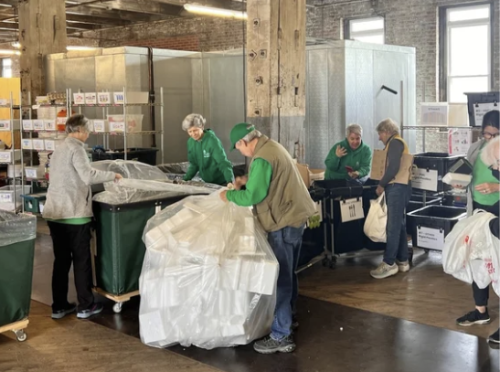

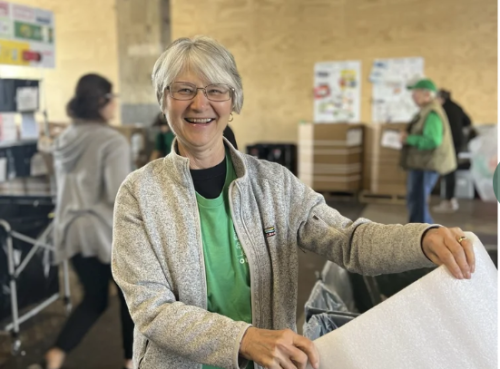
We’re excited to share a new opportunity for volunteers to get involved in one of the Zoo’s most impactful sustainability efforts—our Zero Waste initiatives in partnership with the Recycling & Reuse Hub. Over the past few years, huge strides have been made to reduce waste across the Zoo. These efforts have included creative new programs, expanded recycling options, and special events focused on keeping materials out of the landfill. Last year alone, we hosted eight Zero Waste events, helping divert large amounts of hard-to-recycle items and giving them a responsible second life.
One of the biggest steps forward has been the creation of our Recycling & Reuse Garage. This space allows departments and staff to bring in hard-to-recycle materials for safe, responsible processing. The garage supports programs for string lights, light bulbs, e-waste, batteries, coroplast signs, unusable uniforms, handheld gadgets, and other miscellaneous items—helping keep all of these materials out of the landfill. Now, we’re looking to expand these efforts and would love to involve volunteers in this important work. As part of this new team, you might:
- Help staff a table at small Zero Waste events where guests bring hard-to-recycle items
- Assist with sorting materials in the Recycling & Reuse Garage once a month
- Roll up your sleeves for some hands-on impact, helping sort materials from smaller events (with gloves and guidance) to make sure everything ends up in the right place
- Support new and creative waste-reduction initiatives across the Zoo
If you’re passionate about sustainability, love hands-on projects, or just want to be part of something that makes a real difference, this could be a great fit for you. We’re forming a new volunteer group, and we’d love to hear from anyone who’s interested. Please fill out the interest form to let us know you’d like to learn more. And here’s the exciting part: if we can build a strong, dedicated volunteer team around this effort, there’s real potential to expand Zero Waste initiatives even further—more events, more materials diverted, and an even bigger impact for wildlife and wild places.
CLICK HERE TO COMPLETE THE INTEREST FORM
Click Here to Access the Recycling & Reuse Hub Facebook Page

********************
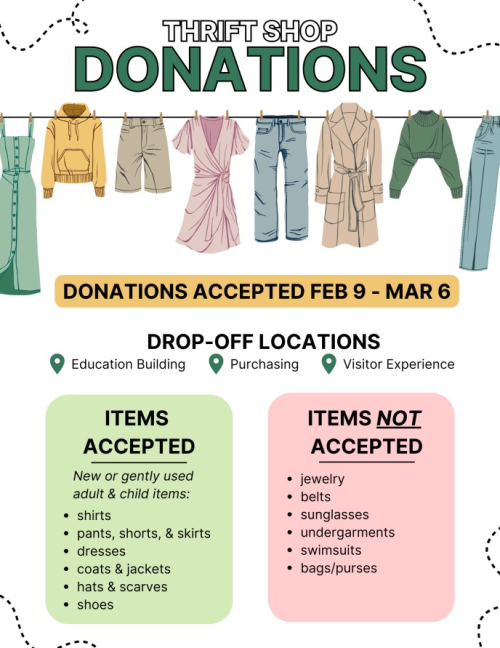
Annual Clothes/Uniform Thrift Shop Coming March 13! *VOLUNTEER OPPORTUNITY*
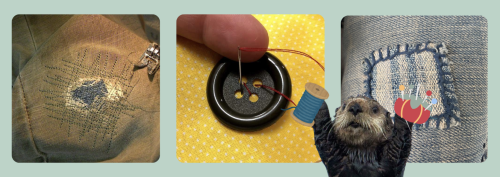
The AmeriCorps Members are hosting their fourth annual pop-up free thrift swap at the zoo on March 13th (Details below)! The yearly thrift store is a fun tradition that helps out our community and our planet, but this year we are taking it a step further by introducing free sewing kits as well as an ONSITE MENDING STATION. We are hoping to breathe some new life into old favorite pieces and maybe even inspire thrift-shoppers to take up a new skill. If you are passionate about keeping our environment (and our clothing) looking its best, consider sharing your time and talent on the mending station repair team!
Shifts are one hour, though you are welcome to signup for more than one, and all materials (fabric patches, needles and thread, sewing machines, and fabric scissors) will be provided. The only thing you need to bring is your expertise! Along with helping fellow zoo folks repair some of their favorite clothing pieces, we will also be trimming unusable uniforms into cleaning rags for the Parks Services team.
Please reach out to Emma Merryman ([email protected]) with any questions about the event.

MORE INFO ABOUT THE EVENT:
Clothes COLLECTION will BEGIN February 9th – See Below For Drop Off Details.
Save the date! On March 13th from 10am to 3pm in Frisch’s Theater, our annual free clothing swap will feature exciting new options for you all. In addition to our usual thrift swap, we will also have…
- Zoo Uniform Collection – Bring your unusable uniforms to be recycled through Sew Valley. Click this link Zero Waste — Sew Valley to learn more about how your old uniforms will be given a new life!
- Zoo Uniform Swap – Bring your gently used uniforms to exchange with your coworkers and grab some new-to-you items for your uniform wardrobe!
- Mending Education Station – Learn how to extend the life of your clothes and take home some educational resources to jump start your mending journey!
Zoo Updates
NEW PINS, NEW HOURS! Su, M, W, F 9:00am – 10am
The pin trading program has been a huge success and we are excited to continue the program in 2026.

Employee Pin Sale Times: Sunday/Monday/Wednesday/Friday from 9:00AM to 10:00AM
As we move into the winter season at the zoo (beginning on Monday, January 5, 2026), the time for the employee pin sale hour will shift to the hour prior to the zoo opening. We will update everyone in Spring if/when the hours adjust.
New pins will still release with the first Employee Pin Sale day of the month.
If you come in during a time outside of the employee pin sale time to purchase the exclusive pins, it will only be possible at the discretion of the gift shop management team. Exclusive pin sales cannot take place outside of employee pin sale times if the store is busy or if management cannot step away to obtain the pins.”
Thank you for your help spreading the word!
********************
NEW Galentine’s Brunch at Elephant Trek! Feb. 14, 11am-1pm
Grab your girls and celebrate friendship in style at our NEW Galentine’s Brunch, set against the unforgettable backdrop of Elephant Trek at the Zoo. This brunch experience is all about great food, bubbly sips, and even better company – with a wild twist! Explore more through the link below…
********************
A Love That Lasts—Even Underground
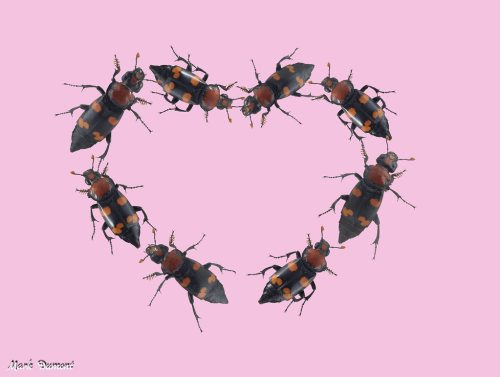
This Valentine’s Day, honor your special someone with a truly unique gift — adopt a pair of American burying beetles! When you adopt a pair of American burying beetles, you’re honoring a love that goes deeper—literally! These rare and endangered beetles are known for their remarkable partnership, working side by side to raise their young.
Your adoption comes with a personalized certificate featuring your beetle pair’s names—perfect for dedicating to your sweetheart. It’s a unique, meaningful way to say “our love helps save a species.”
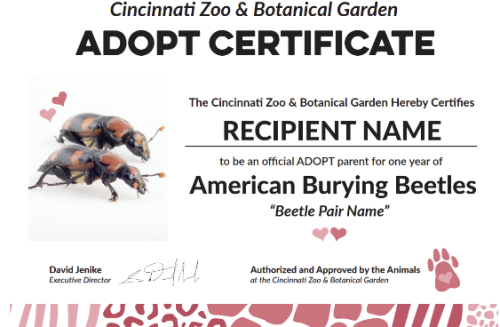
When you ADOPT a pair of American burying beetles, you’ll also be entered to win a behind-the-scenes tour for two at World of the Insect. On this tour, guests will meet the American burying beetle’s incredible invertebrate neighbors and learn more from their keeper on what makes insects so amazing!
Because the best Valentine’s gifts don’t just come from the heart—they help protect the planet. 💕

********************
Summer Camp 2026 Goes On Sale February 14!
Everyone’s favorite is back again with jam-packed weeks of fun and adventure. Campers will have activities, hikes around the Zoo, up-close animal encounters, games, crafts, and more.
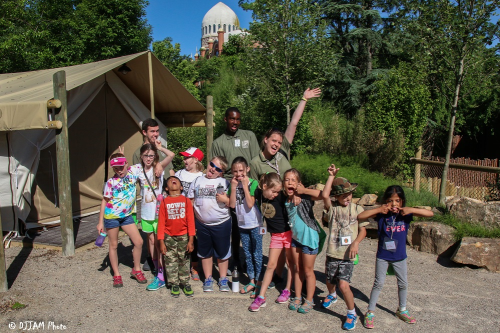
CZBG Summer Camp 2026 goes on sale February 14, here are all the details you need!
- Camps are On Sale for MEMBERS at 12pm Noon Saturday, February 14th.
- Everyone else on sale Sunday at midnight.
- This is the direct link to the webstore: https://tickets.cincinnatizoo.org/mainstore
- If you can’t get into your Household Account- no worries, you may go to the camp and register as usual (aka type in your camper’s information).
- You must have your membership number to purchase camp on Saturday.
- If you see a message on your household account stating “I don’t have a membership”- don’t worry, just type in your membership number when you pick your camp.
- If you need to get in contact with the Education Department – EMAIL. Phone calls are hard to get to quickly, especially if other people are calling.
- Summer Camp my only be bought on Saturday and Sunday.
- 4yr-K is ONLY half day. 1st-2nd grade has half day PM and full day.
- No Before and After Care for 4yr-K and half day 1st-2nd. And no signing up for morning and afternoon 4yr-K.
- Only one topic of camp for the summer per camper.
- All campers will receive a Summer Camp t-shirt.
Helpful Links:
********************
Cheetah Run 5K IS BACK! MAR. 22, 2026, 8am
Get ready for a wild run you won’t forget! After a 6-year hiatus, the beloved Cincinnati Zoo & Botanical Garden’s Cheetah Run 5K is BACK! With breathtaking views and plenty of space for fans to line the course, the Cheetah Run 5k is equal parts race, safari, and celebration!


********************
Come Have a Coffee with Dave Jenike
Come Have Coffee with Michelle and Dave, Jenike at the Cincinnati Zoo. He’s all about conservation, education, and creating unforgettable connections.
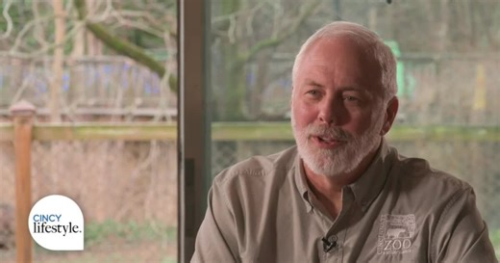

By: Michelle Hopkins
Posted 10:54 AM, Jan 28, 2026
Big shoes to fill? Absolutely.
Big vision? Even bigger.
Today Michelle has coffee with Dave Jenike, the new Director of the Cincinnati Zoo, and let’s just say—if anyone is ready for this moment, it’s Dave.
He’s all about conservation, education and creating unforgettable connections for children and families. Dave shares what’s next for one of Cincinnati’s most beloved institutions. And yes… you’ll be surprised to learn his favorite species.
Hint: It’s for the birds.
********************
Visiting the Cincinnati Zoo When it’s Really Cold
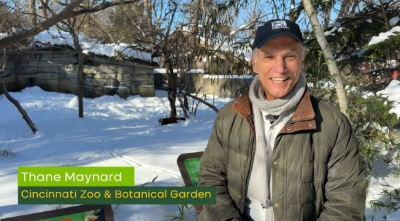
Thane Maynard talks about cold weather animals and cool ways to visit the Zoo when it’s cold outside.
********************
A Heart-Warming Story
The education department received an email from a grateful mom after a Ronald McDonald House animal encounter and a visit to the zoo with her daughter 🙂
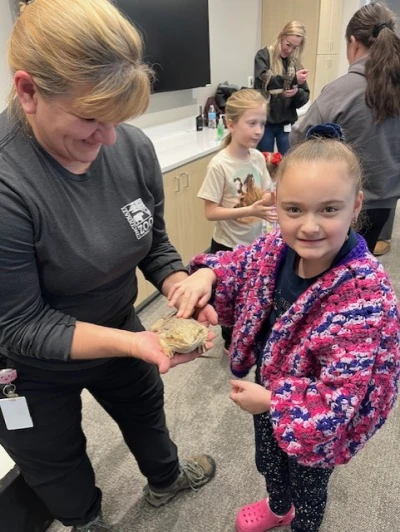
There are not enough words to thank you and each and every one of the Zoo staff members who took the time to interact with Violette today. She said ‘this is the best day of my life’ as we walked around the zoo afterward. This is how kids (especially girls) are encouraged to follow their dreams in STEM. Please pass my gratitude along to all those who made her day-this was the equivalent to other kids going to Disney for her! Enjoy the pictures-you are all making a huge difference in kid’s lives. Thank you again!
-Nanette
Plant & Animal Updates
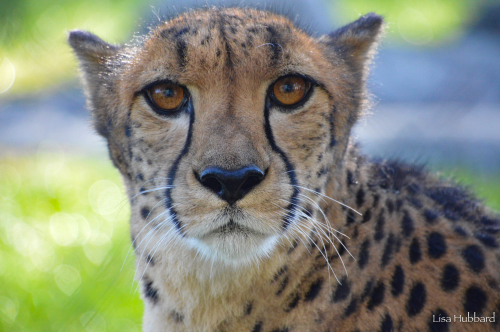
We Remember Our Fallen Hero: Savanna, our beloved Cheetah Ambassador
We are sad to share the news that over the past weekend we lost one of the best cheetah ambassadors, Savanna. She lived a very long life here at the Cincinnati Zoo and touched the hearts of millions during her nearly 14 years of life. Click below to read more about this sweet soul…
********************
BOWYER FARM Creates Rich Diversity
To learn more about what’s happening at Bowyer Farm, listen to Brian Jorg, Cincinnati Zoo | Cincinnati Zoo Tales.
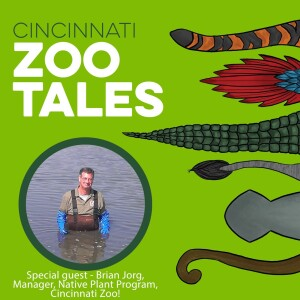
Brian J, manager of the Zoo’s Native Plant Program, talks about the Zoo’s offsite property at Bowyer Farm! Brian and his team were able to restore the agricultural land back to its native wetland habitat, resulting in hundreds of local wildlife returning to the area! Brian plants native plants and trees by the thousands, hoping to really make an impact in the community! Learn more about all that goes on at the Zoo’s Bowyer Farm!
********************
Hippo Fiona Year 9 Highlights
Happy 9th Birthday, Fiona! Cincinnati Zoo’s favorite hippo turned nine on January 24. In this special episode, Fiona’s care team comes together to reminisce about their favorite Fiona moments and share an update on how she’s doing today. Nine years old, and still afraid of bubbles. hehe
********************
ZOO TALES: Turning Passion into Purpose with the Advanced Inquiry Program
In this episode, we spotlight the Advanced Inquiry Program (AIP) — a unique online master’s degree offered through Miami University and and Project Dragonfly in partnership with the Cincinnati Zoo & Botanical Garden. Designed for working professionals, the AIP blends web-based coursework with experiential learning at the Zoo, empowering students to lead environmental and community change through inquiry-driven projects and real-world collaboration.
********************
Rockdale Urban Learning Garden – What’s Going on in the Garden?
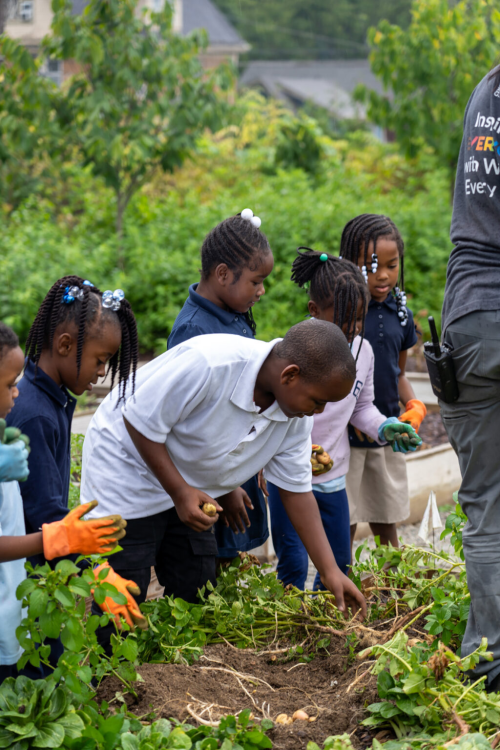
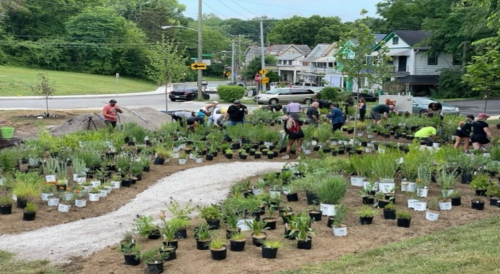

Article by Bethany Brown: Community Gardens, Americorps
This Week In the Garden:
“It was a treat going into the garden to spy what had been traveling through. One of the community cats left behind tracks which were fun to follow, leaving behind my own Bethany Tracks. Coming across tracks are like finding a half told story out in nature, we can use them to figure out what these animals might have been doing while we were inside. Underneath the Blue Vervain there are tracks that might be a bird coming to pull down seed heads for a winter meal.
Another trace, like the Abandoned Wasp Nest in a tree, tells the story of spring where a ground slumbering queen wasp will establish helpful pest predators to assist us in gardening.
Trees like the Weeping Serbian Spruce and Eastern Redbud provide bursts of color in their snow cloaked branches and bark. The Yellow Birch continues the growth of tis buds, hiding the springtime leaves. Witch Hazel is just about to bloom in the sensory garden, and will keep its flowers through March.”
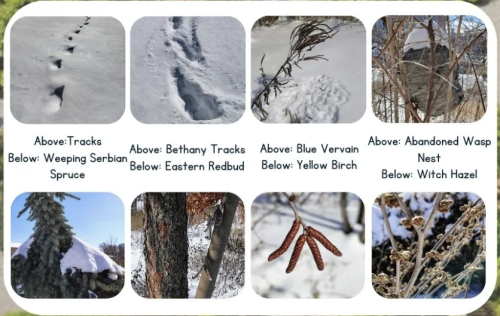
“Witch Hazel: Our witch hazel in the sensory garden is a hybrid between the Japanese and Chinese species of witch hazel. American Witch Hazel blooms in late fall rather than late winter. These are both times where insects struggle to find nectar. An adaptation that helps witch hazel survive in cold temperatures is its ability to furl; the petals will close around the shrubs reproductive parts.”
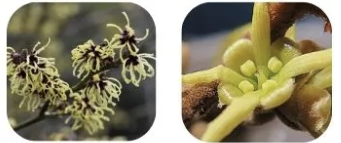
The Rockdale Urban Learning Garden is open to the public 24/7, with so much to explore.
********************
ENQUIRER FEATURE: “From Slimy Hellbenders to Fungus-Eating Ants”
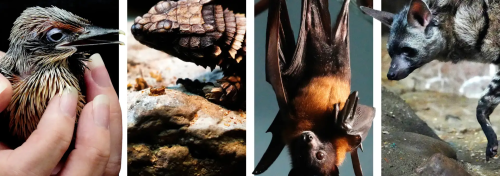
Enquirer featured some of our less-featured animals in this RECENT ARTICLE:
Article by Dan Horn: Cincinnati Enquirer, Jan. 25, 2026
Walk around the Cincinnati Zoo for an hour or so and it’s easy to think of the place as a neighborhood.
Sure, the neighbors hang from trees and poop in their living rooms, but the similarities to a neighborhood populated by humans, who don’t normally do those things, are undeniable.
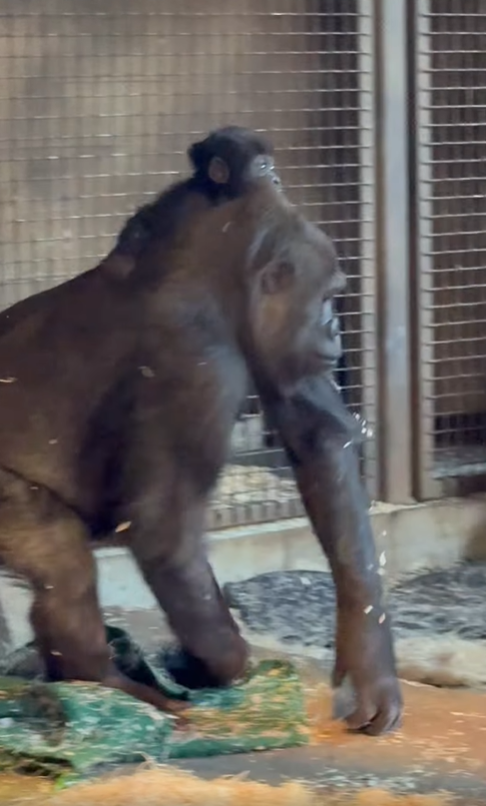
There’s the friendly, dignified matriarch who’s lived in the same house for decades (Mai Thai, the Asian elephant). There’s the young couple with a new baby (Gladys and Mbeli, both Western lowland gorillas). There’s the cool girl who loves attention and always seems to be throwing a party (that would be Fiona, America’s most celebrated hippopotamus).
And then there are the folks who are a little different. These are the neighbors who stare too long and talk too little, who never turn on the lights, no matter how dark it gets, or who constantly work on mysterious home improvement projects that no one ever sees.
You know. The weirdos.
At the zoo, they go by names like “hellbender” and “aye aye” and “naked mole-rat.” Even in a place packed with fascinating and exotic creatures, they are the oddballs. The freaks and geeks of the zoo.
Curious? Then come along on a guided tour through the nocturnal jungles, icy water tanks and fungus-filled glass enclosures that are home to the strangest neighbors in Cincinnati’s strangest neighborhood.
Hellbender
Based on the name alone, the hellbender should be the most terrifying animal at the zoo, the creepy clown or brain-eating zombie of the animal kingdom.
Alas, hellbenders aren’t so fearsome. They are serial killers of crayfish, their favorite food, but pretty much leave everyone else alone.
While they may not live up to their horror movie name, they still qualify as a weird neighbor.
They can grow to about 2 feet long and are covered in a layer of slippery mucus, which is gross, certainly, but also practical. It protects their oxygen-absorbing skin and makes it hard for predators, or people, to catch them.
Hellbenders, also known by less intimidating names like “snot otters” and “lasagna lizards,” are the largest salamanders in North America and live throughout Ohio and much of the Midwest. But they’re hard to spot. They spend most of their time hiding under rocks in cold, fast-moving streams, where they wait for their meals of crayfish and other small animals to come to them.
When dinner arrives, the hellbender pops out of its hiding place, opens its enormous mouth and swallows its meal whole.
“They’re pretty strange critters,” said Dustin Piontek, head reptile zoo keeper.
Aardwolf
If there’s a neighbor at the zoo who will never need to call an exterminator, it’s Chipo the aardwolf.
Or maybe Chipo is the exterminator.
In its native habitat in southern Africa, a single aardwolf will use its long, sticky tongue to snag as many as 300,000 termites a night. Aardwolves, a small, bushy-tailed member of the hyena family, live almost exclusively on a diet of insects in the wild. Termites are, by far, their favorite protein.
But since releasing 300,000 termites a day at the zoo would be both unrealistic and unwise, zoo keepers mix a lot of eggs into Chipo’s diet.
He’s shy, as aardwolves tend to be, so Chipo approaches the eggs carefully, often waiting until his keepers have left. He knows when they’re gone because his hearing is excellent.
Back in Africa, his kin rely on that hearing to find termites rustling in the earth.
Giant fruit bat
Seymour, one of the zoo’s four giant fruit bats, gripped the tree branch with his talons, hanging upside down, black eyes staring straight ahead and black wings wrapped tight around his body.
“Isn’t he adorable?” said Ryan Leonard, a temporary keeper at the zoo.
Adorable may not be the right word. Mostly, Seymour’s face is the kind of face that causes hands to reflexively cover jugular veins. The eyes, wings and the whole hanging-upside-down thing are all just spooky.
But Leonard, who spends a lot of time with Seymour and his pals, said people have it all wrong.
While a few bat species really do suck blood – they call them vampire bats for a reason – most do not.
These giant fruit bats, which can grow up to 1 foot in length, eat what their name implies: mangos, figs and other ripe fruit they find in jungles. As they do, they pollinate flowers and disperse seeds, making them a crucial part of the ecosystem.
“These guys are pretty cool,” Leonard said.
Leafcutter ant
Leafcutter ants are terrific gardeners, but they’re not the kind of neighbors who stop by with a bag of home-grown zucchini every fall.
They only cultivate one crop – a fungus – and are the only creatures who eat it.
Everything the leafcutter ants do revolves around their fungus garden. They use their powerful mandibles to cut leaves from trees and then carry them back to the colony, where the leaves become food for the fungus.
It’s a symbiotic relationship in which the ants feed the fungus, which only grows in the colony, and the fungus feeds the ants.
Each colony has one queen, which can grow to 2 inches long and can live up to 20 years. She produces workers to cut the leaves and soldiers to protect the colony. When she dies, so does the colony.
Within a year or so, there’s no one left to tend the fungus garden.
Naked mole-rat
Unlike most mammals, naked mole-rats behave in many ways like their next-door neighbors at the zoo, the leafcutter ants. They have a queen and a division of labor within their colony that resembles the social structure of ants or bees.
About 3 to 4 inches long with wrinkled pink or yellow skin, the mole-rats are notable for their digging skills and for the large, protruding teeth that help them burrow.
Their colony is highly organized. One chamber may serve as a communal toilet, another as a nursery and others as places to eat or sleep. They also huddle together for warmth and work together to raise their pups.
But this is no subterranean utopia.
The queen emits a pheromone that prevents other females from becoming fertile. When the queen dies, females in the colony regain the ability to reproduce and may fight to the death for the privilege of becoming the new queen.
Bonobo
There’s no delicate way to say this. Bonobos are the neighborhood swingers.
Their matriarchal society, rare among apes, tends to feature less aggression than those of other primates and emphasizes sexual behavior to resolve conflict and establish social bonds.
“They’re a make love, not war, animal,” said zoo keeper Markee Buchanan. “They are such a sexual species.”
So much so that keepers mix an oral birth control into the bonobos’ juice every day. They do make exceptions, however, and allow select females to breed.
Gilda, a leader of the group, gave birth to Daisy about a year ago, bringing the zoo’s bonobo population to 12. As she carried her baby around on a recent morning, Gilda permitted other females to spend time with Daisy, but she kept a close watch on them.
She also kept a wary eye on some males running wild around their habitat at the zoo. The males tend to be bigger, but the females work together to keep them in line.
When the males got too rowdy, Gilda and several other females moved quickly. They huddled near the troublemakers, hooting and grunting, until they settled down.
Aye aye
Aye ayes are quiet neighbors compared to bonobos, but they’re just as busy.
The small primates are nocturnal and rely on a reflective surface behind their yellow eyes to enhance their vision at night, kind of like built-in night vision goggles. They also have big ears that help them hunt for the grubs that make up much of their diet.
Believed to be the only primates to use echo location, as bats do, they tap trees and then listen for the tell-tale sounds of insects moving.
When they hear them, aye ayes deploy their strangest feature of all: a long, curled middle finger that can be extended about 3 inches to dig out their tiny prey.
While they otherwise look like a cross between a Teddy bear and a raccoon, aye ayes throw off a bit of a Nosferatu vibe when they extend that finger.
Armadillo lizard
Armadillo lizards are the jet setters of the zoo, though not by choice.
About five years ago, several of these odd reptiles with scales that resemble armadillo armor turned up in a bag at the Cincinnati and Northern Kentucky Airport. They were on a flight from their native South Africa, stuffed into luggage by someone attempting to get around a government ban on exporting the lizard.
Authorities confiscated them and they soon found a new home at the zoo. It wasn’t a smooth resettlement.
“We had some fighting issues,” said zoo keeper John Staubach.
Turns out, too many males ended up in the same enclosure (apparently, it’s hard to tell male and female armadillo lizards apart) and things got a little ugly. They tussled. They exposed their prickly, cactus-like spines. One lost a hand.
All is well now, though. The troublemakers have been separated, and everyone seems to be getting along. There even are some new baby armadillo lizards.
Guam rail
No neighborhood would be complete without a recluse, the mysterious neighbor everyone knows is there but almost no one ever sees.
So, let’s end this tour with the elusive Guam rail, a brown and gray flightless bird who is the zoo’s resident Nervous Nellie.
“They are very secretive creatures,” said zoo keeper Aimee Owen.
They have reason to be. In their native South Pacific habitats, the brown tree snake, an invasive species from Japan, has decimated the Guam rail population by gorging on their hatchlings and eggs.
The snake all but wiped out the Guam rail, so the Cincinnati Zoo and others are breeding them in captivity in hopes of reintroducing them to the wild. It’s slow going, but it’s the bird’s best shot to avoid extinction.
For now, the zoo’s Guam rail calls the Birds of the World exhibit home. But she’s not a big fan of visitors. She stays mostly to the back of the exhibit, flitting about between tree stumps and rocks.
“There she is! There she is!” Owen said as she tried to catch a glimpse of her.
And there she was, a beautiful little bird, white breast with brown and black feathers across her back. And then she was gone, dashing back behind a stump.
“They’re such characters,” Owen said, shaking her head.
This neighborhood is full of them.
********************
HAPPY BIRTHDAY, GLADYS (13th – Jan. 29) & MINERVA (12th – Feb. 5)!
Conservation Corner
SORALO & CZBG: Sharing purpose and vision to put the needs of the community first
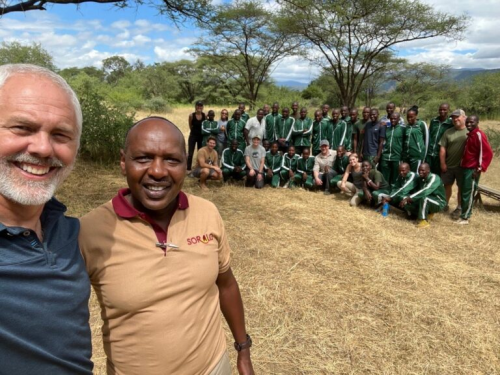
The paper, “Growing together: Strengthening the partnership and impact of a zoo and community‐led conservation organization,” has been published in Ecological Solutions and Evidence!
Key findings from the paper emphasize:
The effectiveness of trust-based, long-term partnerships in achieving conservation and community development goals.
The importance of cultural respect, transparency, and empathy in fostering collaboration between international organizations and local communities.
Practical recommendations for conservation organizations worldwide to strengthen partnerships and enhance coexistence strategies.
“Working together to document our collective work reflects the dedication of both organizations to advancing conservation through collaboration, capacity building, and shared vision,” said Dr. Lily Maynard, vice president of conservation impact at the Cincinnati Zoo. “Our hope is that more organizations will embrace this conservation model, and that is why we’re excited about the paper being published to share applicable best practices.”
********************
BARROWS LECTURES – END OF YEAR 2025
Rick McIntyre
Wolf research biologist Rick McIntyre share stories of his experiences with the incredible Yellowstone wolves. His anecdotes about specific wolves throughout his time as a researcher paints a picture of what wolf life in Yellowstone is like, the challenges faced by these wolves, and the importance of having wolves in our ecosystems.
*********
Luis Paulo Ferraz
Luis Paolo Ferraz, geographer and director of Amigos da Leao Dourado (Save the Golden Lion Tamarin) speaks about conservation of Golden Lion Tamarins in Brazil’s most endangered forest. The Atlantic forest is the only place where Golden Lion Tamarins exist in the wild. Due to both deforestation and the illegal wildlife trade, GLTs were considered critically endangered in 1983. Since then, through the efforts of AMLD and breeding in zoos, the population has achieved endangered status, a step up from critically endangered. Ferraz shares a bounty of information about this small but stunning species and the innovative techniques used to connect the fragmented Atlantic forest.
*********
Dr. Moreangels Mbizah
Dr. Moreangels Mbizah, founder of Wildlife Conservation Action, explains the importance of wildlife conservation in Zimbabwe and how humans can both play a role and benefit from conservation action. She shares WCA strategic plan and the four main objectives of WCA’s work: Human-wildlife conflict mitigation, climate smart livelihoods, research and conservation leadership, and environmental education and awareness. In her appraoch, Dr. Mbizah prioritizes local communities’ involvement in all steps on conservation. Her focus on local communities alongside wildlife conservation encapsulates the practice of coexistence and serves as an excellent example for other organizations to follow
*********
Fanny Minesi
Executive Director of Friends of Bonobos of Congo Fanny Minesi speaks on the importance of Bonobo conservation in Congo. She shares what makes Bonobos so unique and how they are a keystone species in the tropical rainforest habitat. Minesi expains how the Bonobo sanctuary, Lola Ya Bonobo works and shares its successes. This sanctuary operates as a nursery for baby Bonobos that have been separated from their mothers due to bushmeat hunting and illegal per trade. In addition to the sanctuary, Friends of Bonobos also has a community reserve called Ekolo Ya Bonobo, which works closely with the local communities that depend on the reserved forests for their livelihoods.
********************
2026 Coexistence Webinar Series Recap
This webinar series is a chance for Zoo staff and volunteers to learn the conservation stories of our partners that we support with your help. Join us to hear about them, ask some questions, and potentially find new ways to offer support. We hope that you can share what you learn with our visitors and help us grow the good work happening around the world. Access through the link in MyImpact!
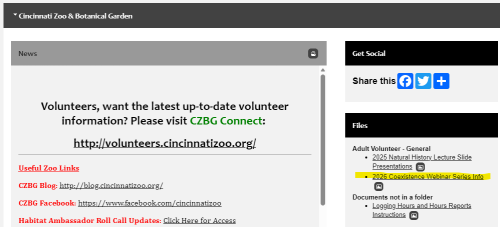
Topics include:
Fundacion Tonkawa – Carla Ximena Neri Barrios: “How restoring lobos is transforming the economy of ranchers”
Wildlands Network – Carlos Castillo & Juan Carlos Bravo
- Wildlands Network’s mission is to reconnect, restore, and rewild North America so that life – in all its diversity – can thrive. By setting their sights on projects across Canada, the United States, and Mexico, the team at Wildlands Network protects core native wildlife, their habitat areas and the corridors that connect them. The Cincinnati Zoo and Botanical Garden partnered with Wildlands Network in 2025 over their work with Thick-Billed Parrots via the AZA SAFE program. As factors like logging, agriculture, and the pet trade have endangered this species, wildfires that were once essential in maintaining the health of thriving ecosystems now threaten these charismatic birds. Wildlands Network has partnered with the local communities of Tutuaca and Conoachi in Chihuahua, Mexico to shift away from logging, monitor & manage forest ecosystems, and reduce devastating wildfires through fire brigades.
Western Terai Fishing Cats – Ganesh Puri: “Transforming Fishing Cat and Fish Farmer Conflict into Community-Led Conservation”
Eastern Ghats Wildlife Society – Murthy Kantimahanti: “Guardians of the King: A Journey of Coexistence in the Eastern Ghats of South India”
Madagasikara Voakajy (MV) – ~6 members of the team will present!
- *Wednesday, February 11, 2026 10am – 11am
- Title: “Is There a Magic Formula to Align Conservation and Biodiversity Coexistence? From Madagascar…”
Bahamians, Birds, & Botany – Dr. T’Noya Thompson
- Thursday, February 26, 2026 12pm – 1pm
HOPE YOU WILL JOIN US TO LEARN MORE!
Did You Know?
The Zoo Offers Winter Discount Days! Enjoy discounted admission from January 5 – March 1, 2026.
In Case You Missed It
Annual Compliance Trainings are Due!

If you are volunteering in an animal area, it is time for our yearly compliance trainings. THANK YOU TO THOSE WHO HAVE ALREADY COMPLETED THIS TASK! For those of you who have not, be on the lookout in your inbox for a REMINDER e-mail about the compliance trainings. All trainings will be in the Better Impact system. These will need to be completed by the END OF FEBRUARY to be compliant.
********************
Carol Trosset’s Natural Lecture Series 2026 Dates

Carol’s monthly Natural History Lecture Series for volunteers will continue in 2026! Below you will find a list of the scheduled lectures from January to July.
If you would like to attend, please sign up in Better Impact. *E-mails are sent to everyone who signs up with instructions on where to park and where to meet the day before the lecture.
- Tues., FEBRUARY 10, 2026 – The Zoo’s Local Conservation Programs – Guest Speaker: Mollie O’Neil
- Fri., MARCH 13, 2026 – Cat-like Carnivores
- APRIL 2026 (Two Dates TBD) – Wildflower Walks at Gorman Heritage Farm
- Tues. & Fri., May 5 & 8, 2026 – Bird Walks at Spring Grove
- Fri., June 12, 2026 – Ancient and Modern Elephants
- Fri., July 10, 2026 – Primates
- Tues., August 18, 2026 – TBD
- Tues., September 8, 2026 – TBD
- Tues., October 20, 2026 – TBD
- Tues., November 10, 2026 – TBD
- Fri., December 11, 2026 – TBD
*Review the PowerPoint presentations from the previous 2026 lectures below
- Tuesday January 13, 2026 – Animals in Winter
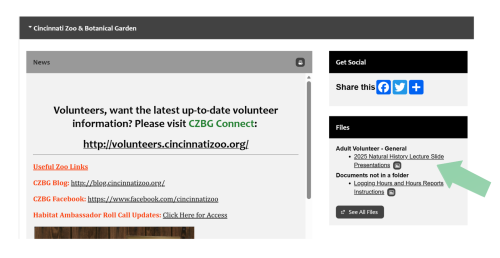
Did you miss one of the 2025 Lectures? Links to all the previous slide presentations can now be found on the Better Impact Page under the Files section.
********************
TRAVEL WITH THE ZOO NEXT YEAR IN 2027!
The Cincinnati Zoo is offering some exceptional travel experiences in 2026, each connecting travelers with wildlife, conservation, and unforgettable landscapes!
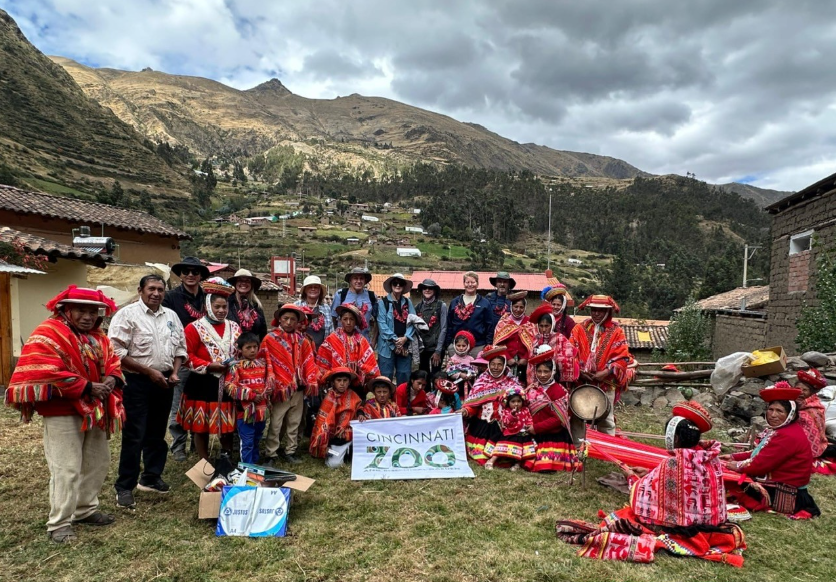
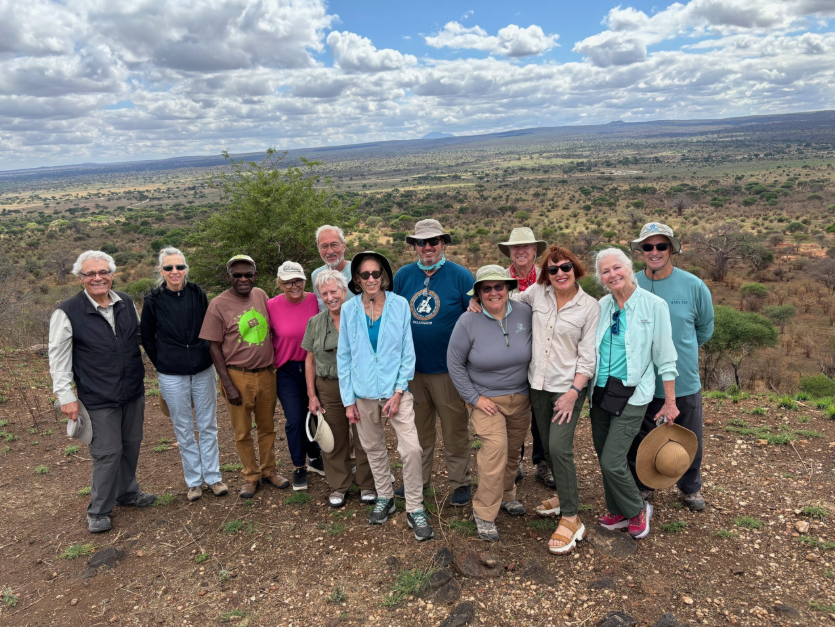
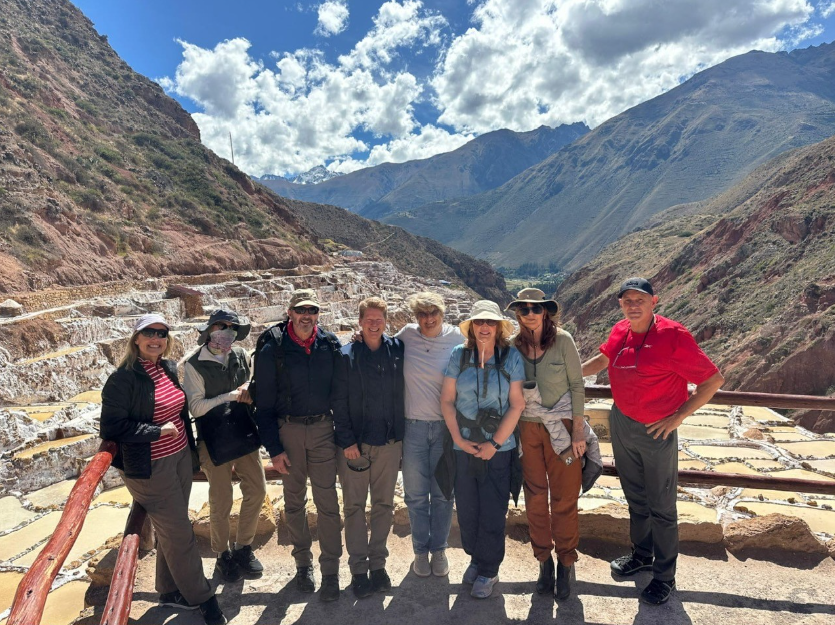
Come travel with the Cincinnati Zoo & Botanical Garden! We have been taking folks around the globe since 1964. Our trips are adventurous, educational, and fun. All our tours are escorted by zoo naturalists who are knowledgeable, friendly, and well-traveled. Our trips create real-life connections with like-minded travelers. Come join us today on our next exciting adventure!
Questions? Please contact Christina Anderson at 513-487-3318 or [email protected]
- 2027 MEXICO (Date TBD)
- Join Mollie O’Neil and experience this annual fan favorite
- 2027 CUBA (Date TBD)
- Join David Orban and experience Cuba’s vibrant ecosystems, wildlife, and the Zoo’s conservation partnerships.
- 2027 GALAPAGOS (Jun. 28 – Jul. 7, 2027) *Registration available in March
- Escorted by Dr. Mike Wenninger – registration available Spring 2026 (also a pre Machu Picchu trip available). Trip details TBD
- 2027 AFRICAN SAFARI (Details TBD)
- 2027 BRAZIL (Details TBD)
- Launching for the first time in the Zoo’s travel program, come join Lily Maynard and explore Brazil’s extraordinary biodiversity, lush habitats, and remarkable wildlife encounters. You will get to see firsthand our Conservation Impact partners.
********************
2026 ZOO EVENTS:
| Date: | Event: | Time: |
| February 4 – March 4, 2026 | Landscaping for the Homeowner | 7:00-9:00pm |
| Saturday, February 14, 2026 | Galentine’s Day Brunch | 11:00am-1:00pm |
| March 18 – April 29, 2026 | Barrows Conservation Lectures | 7:00pm |
| Thursday, March 19, 2026 | Sustainable Urban Landscapes Symposium | 8:50am-5:00pm |
| Sunday, March 22, 2026 | Cheetah Run 5K | 8:00am |
| April 1 – 30, 2026 | Zoo Blooms | 10:00am-5:00pm |
| Thursdays in April 2026 | Tunes & Blooms | 6:00-8:30pm |
| Saturday, April 4, 2026 | Easter Celebration | 12:00-5:00pm |
| Friday, April 10, 2026 | Zootanical | 5:30pm-9:00pm |
| April 18, May 2 and May 16 | Native Plant Sale at Bowyer | 9:00am-1:00pm |
| Thursday, May 7, 2026 | Bourbon Flights | 7:00-10:00pm |
| Monday, May 11, 2026 | Zoo Golf | TBD |
| Friday, June 26, 2026 | Zoo La La | 7:30-11:00pm |
| Monday, July 6, 2026 | Reds Day at the Zoo | 11:00am-12:00pm |
| Thursday, August 6, 2026 | Wild About Wine | 7:00-10:00pm |
| Thursday, August 27, 2026 | Plant Trials Symposium | 8:50am-5:00pm |
| Friday, September 18, 2026 | ZOOFARI | 7:00pm-11:00pm |
| Thursday, October 1, 2026 | Zoo Brew | 7:00-10:00pm |
| October 10-11, 17-18, 24-25 and 31- Nov 1 | HallZOOween | 12:00pm-5:00pm |
| Saturday, November 21, 2026 | Native Plant Symposium | 8:50am-4:00pm |
DAD-JOKE ZONE, VALENTINE’S Edition: