
Volunteer Updates & Opportunities
Volunteer Prep for AZA Inspections – Get Ready to Help Us Shine!
We’re excited to share that the Cincinnati Zoo & Botanical Garden’s AZA Accreditation Inspection is officially scheduled for the week of June 23–27!
For those who may be unfamiliar, this inspection is part of the Association of Zoos and Aquariums’ (AZA) rigorous accreditation process, which ensures we meet the highest standards in animal care, conservation, education, safety, and more. It’s a big deal—and something to be proud of!
Next week, I’ll be sending out a short refresher video with key information about the Zoo and the Volunteer Program to help you feel prepared and confident. We would truly appreciate you making time to complete it in the next two weeks.
Your knowledge, passion, and welcoming presence make a huge impact during this visit. Thank you for helping us showcase the CZBG way—where Animal & Plant Excellence, INSPIRED Visitor Experience, and Conservation Leadership shine through everything we do.
************
Toilet Paper Tubes Needed
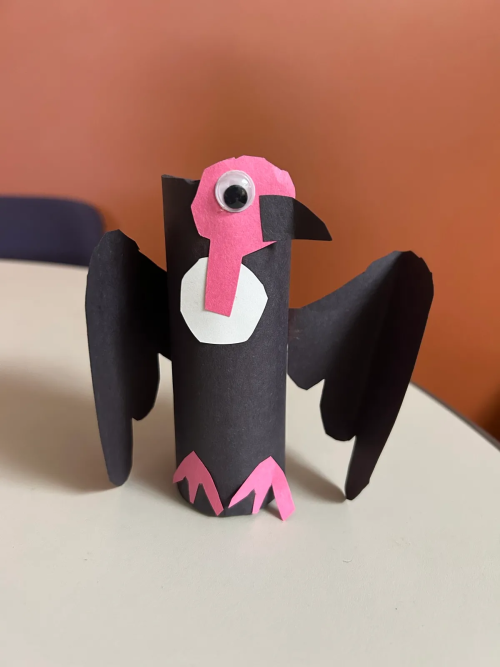
With Summer Camp on its way, we are in need of some toilet paper tubes/paper towel tubes for our epic crafting endeavors! If you have any you could bring in, you can drop them at the Education Front Desk. The photo above is a sneak peak of how they will be repurposed.
Zoo Updates
AmeriCorps Spotlight: Promoting Food Security at Avondale Family Fun Day
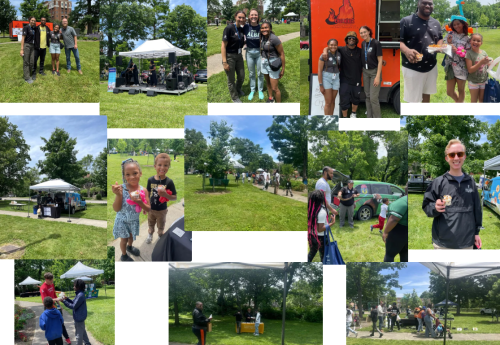
At this year’s Avondale Family Fun Day, an AmeriCorps service member at the Cincinnati Zoo helped turn a beloved community event into something even more impactful. In partnership with Cincinnati Parks and the Avondale Development Corporation, the event saw record-breaking turnout—with over 200 attendees showing up to enjoy the festivities.
One standout addition was a creative “passport” activity designed to boost engagement. Guests collected stamps, treats, and information from local businesses and educational vendors, then traded completed passports for delicious food from Chef Mike’s food truck and Saturday Morning Vibes ice cream. Passports ran out by 2 p.m.—a sure sign of how enthusiastically the community responded. Even after the passports were gone, attendees continued to enjoy discounted meals and family-friendly fun, including music, games, and giveaways.
Beyond food trucks, the event featured generous contributions from local partners: the Freestore Mobile Food Bank provided fresh produce, La Soupe donated baked goods, and Last Mile added milk, juice, and protein bars. The Zoo’s presence was felt too, with over 100 plants and free zoo tickets handed out throughout the day.
The most powerful impact, though, came from the sense of belonging the event created. Several families shared that they had never felt safe bringing their children to the park before. This event helped change that—creating a warm, welcoming space where community pride could thrive. Local council members even joined in, celebrating the neighborhood’s spirit and strength.
**************
Summer is in Full Force
************
Tune in for a Virtual Visit from Anywhere
*************
ZooTales Podcast

**************
Volunteer Led Stuffed Animal Clinic on Tuesday – Tell your Friends!
*************
Fox19 Live at the Zoo Highlights

Fox19 spent the morning with us yesterday. Here are some of the highlights:
- Summer fun at the Cincinnati Zoo – Elephant Trek
- Ambassador animals at the Cincinnati Zoo
- Siamang Point
- Behind the scenes at the Cincinnati, visiting the hippo family
- Morning Extra Live at the Cincinnati Zoo: Collectible pin trading program
- Tamandua visit
- Siamangs and Pin Trading
- Kickin’ it with Ken: Juno the sloth makes guest appearance
- Kickin’ it with Ken: Inside Cincinnati Zoo’s Red Panda Exhibit
Plant & Animal Updates
Fox 19 Goes Deep with Dr. Roth
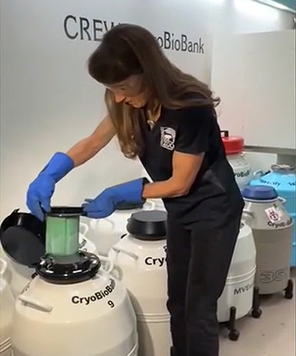
Click Here to learn more about how CREW is cryopreserving plants, animals to support endangered species around the globe
************
Breakfast for Lightning
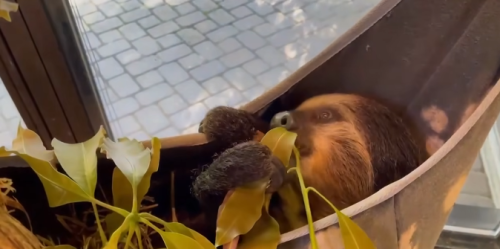
Breakfast in bed for Lightning! Mango leaves are a favorite food item for most sloths. However, they have very little nutritional value. This is why a sloth’s metabolism is so slow – their body needs lots of time to extract every little bit of what the leaves have to offer. Thus, sloths typically only need to relieve themselves once every 7-10 days!
*************
Zuko got his very own Bobblehead on Zoo Night at the Ballpark!
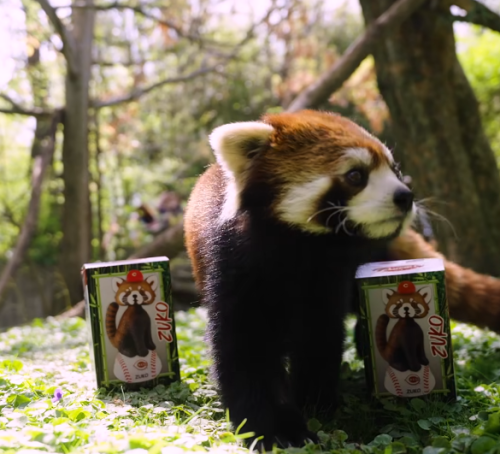
Did you snag one? Zuko turned 2 years old on May 26th! Happy Birthday Zuko
*************
Beautiful Irises
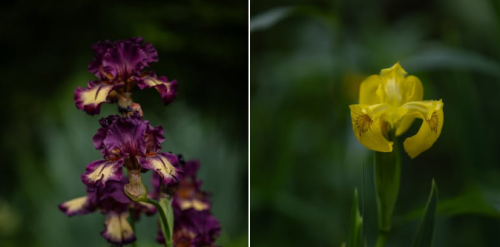
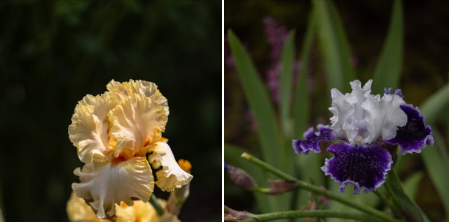
If April is for tulips, then May is for irises.
**************
New zoo baby!! Meet Ellie
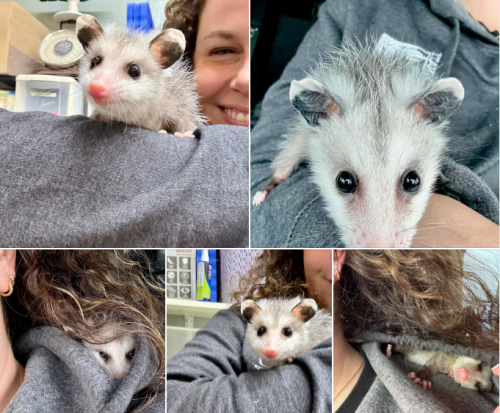
This three-month-old baby opossum just arrived from Ohio wildlife rehab. She will become a part of our ambassador team.
***********
Wellington
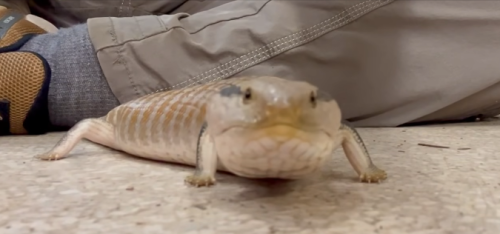
Wellington, “Welly” the baby Blue Tongued Skink showing off their blue tongue. Much like snakes, they have sensory organs in their mouth that once the tongue is retracted, convey scent information about potential prey (insects) nearby. They are constantly flicking their tongues to “smell” the air.
*************
New Giraffe Feeders
**************
Generous Sassafras
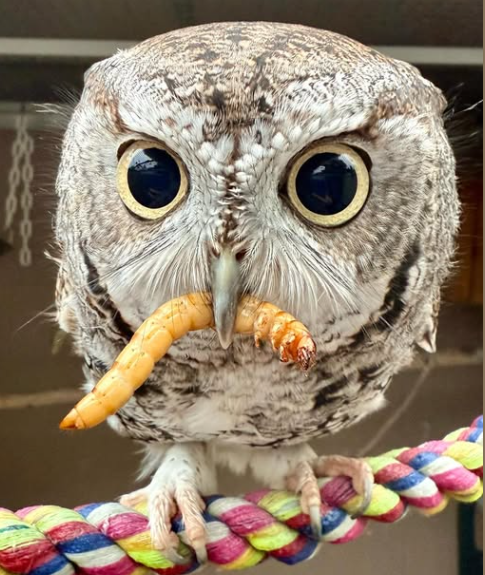
Sassafras the screech owl offering his keeper a worm. Would you take it?
**************
What a Smile!
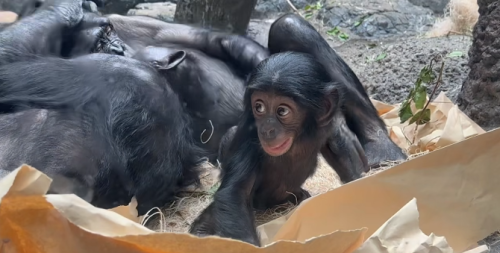
Daisy smiling at a little visitor.
*************
Who’s in Charge?
*************
May 18th – Happy Birthday Tucker
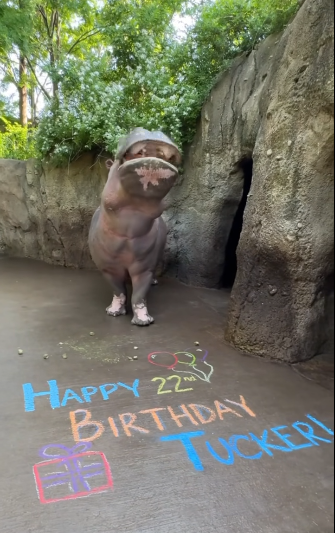
Happy 22nd Birthday Tucker! He enjoyed special treats and even shared some with Fiona.
***************
May 27th – Happy Birthday Mbeli
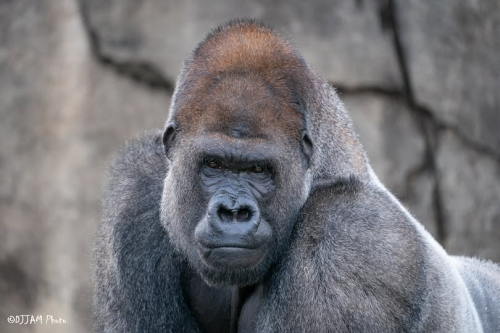
Happy Birthday to Mbeli! He is 23-years-old today and will become a first-time Dad in the fall!
Animal Excellence Highlights
Quarterly, each of the 14 animal care teams identifies 2-3 welfare priorities that they plan to work on over the 3-month period. These can be big or small, but they must be measurable, and they must be reasonably achievable without significant help from outside department. At the end of the 3 months, we review this list of priorities, celebrate the ones we achieved and discuss those that weren’t achieved yet.
Below are some of our teams’ successes in Animal Excellence from January-March 2025.
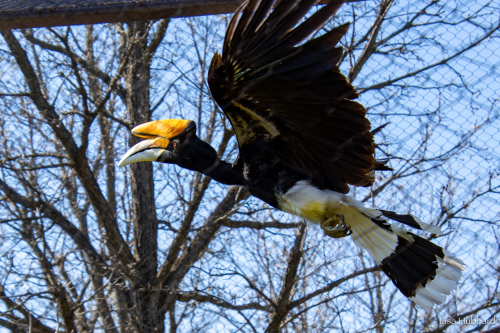
Bird Team
This past quarter Team Bird, with Aimee leading the charge, assisted in final habitat and holding space details and worked closely with the Siamang Point team to ensure a smooth transition for Remy and Blake, the rhino hornbill pair. The hornbills are thriving in their new space and in my biased opinion are the showstoppers at SP!
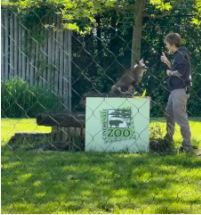
Cat Ambassador Program
The team has been working on getting our Bat eared fox, Kal comfortable in front of people and in new places. The show yard is a big space without a lot of sights, smells and sounds. It is important that he feels confident in that space so he can not only exercise and play, but also focus on behaviors that he can show throughout the season. He can now spend time in the yard for both fun and during shows. There is so much more he will learn to do, but for now this is a big accomplishment for Kal and his trainers.
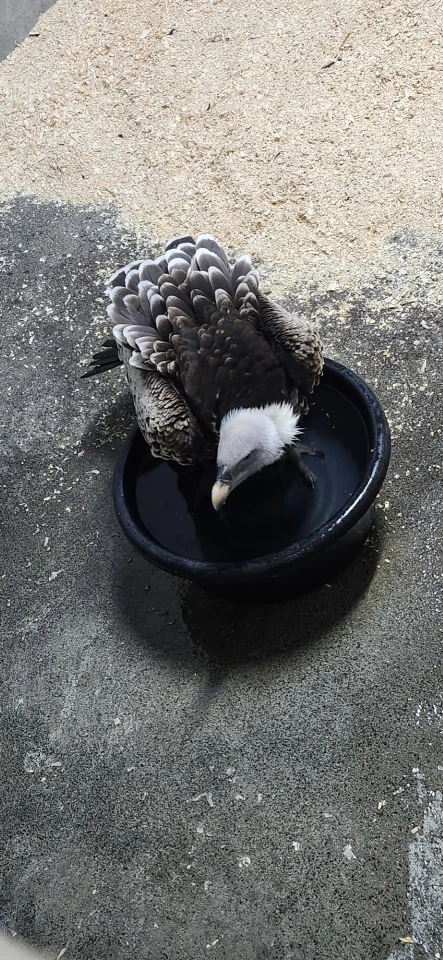
Africa
The Africa team incorporated larger water bowls into the enrichment rotation for the vultures, cranes and saddle billed stork to offer improved bathing opportunities throughout the winter months while they are housed indoors.
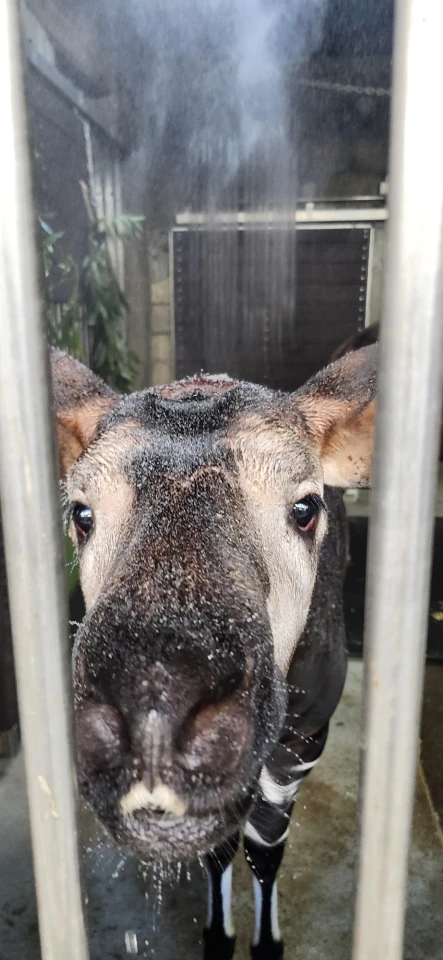
Veldt
The Veldt team has been trialing different misters and humidifiers and logged the results to increase humidity in okapi holding this winter to the recommended range of 50%-60%.
Night Hunters
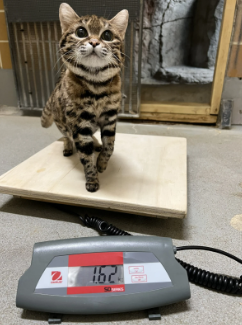
The Night Hunters team has recently been working with Zola, our Black-footed cat, who tends to be quite shy. Initially, Zola was hesitant to enter the off habitat holding space and spent very little time there. To support her training and improve ease of cleaning and care, the team prioritized helping her acclimate to the holding space.
Due to consistent and patient training, she gradually became more confident and started spending longer periods in the holding area with staff present. The team is proud of Zola’s progress and they have now successfully transitioned her scale training into the holding space. They’ve also begun introducing voluntary crating, marking another exciting step in her behavioral training.
North America
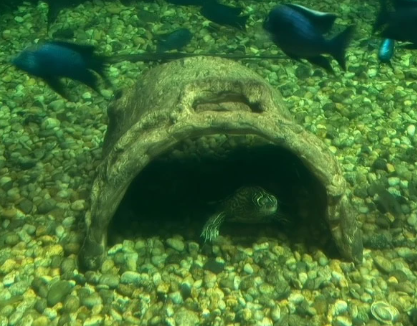
The North America keepers recently set a goal to create more hiding spots for the aquatic turtles in the Manatee Springs tank. Previously, when the turtles wanted to hide, they would squeeze behind the exhibit rocks—making them difficult for guests to see.
To address this, the keepers reached out to the Enrichment Team and asked them to help construct new hides using halved trash cans coated in epoxy. These creative structures provide cozy nooks at the bottom of the tank where turtles can hide, eat, or swim through comfortably. While the new hides
turned out to be a bit too small for our female Common Cooters, our male Cooter, Raphael, and our Mississippi map turtle, Atlas, have been spotted using them.
WOTI
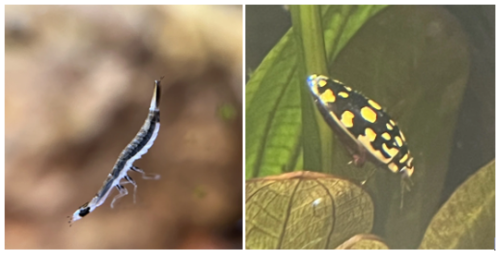
The World of the Insect has been working with Sunburst Diving Beetles since the early 1990s. Former Curator of Invertebrates, Randy Morgan, pioneered the captive breeding of this species and is credited with giving it its widely accepted common name. The team has worked to increase the survival rate of 1st and 2nd instar larvae by moving more of the 3rd instar larvae into a different tank. This project has demonstrated that there is always more to learn when it comes to the care and understanding of a species.
Conservation Corner
Thank you for your contributions!
Thank you to everyone who contributed to the Elahka Alliance campaign. Together we raised $268 for the Elahka Allaince and their amazing efforts to bring the Sea Otter back to Oregon! The contribution bin might be gone from my desk, but there is still time to help them reach their goal! We will continue to collect donations virtually using the link below through June 8th – World Oceans Day!
Click Here to Join Me in supporting the Reintroduction Efforts
**BIG NEWS – the Webb Family Foundation opted to match all donations up to $10,000 in this campaign – all contributions go twice as far!!!!
***************
Sihek Update
*************
Plant a Pollinator Habitat
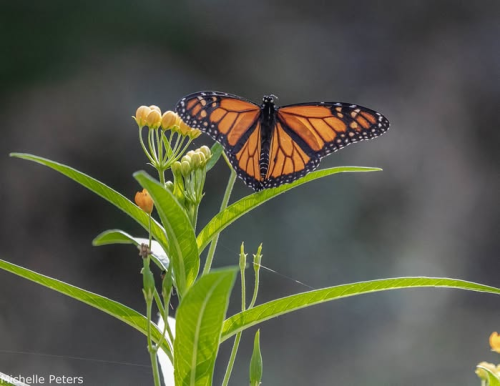
One of the best things you can do for monarchs and pollinators is to plant pollinator habitat. Even a few plants can make an impact! Monarchs need nectar plants to fuel their breeding and migration and native milkweek to lay their eggs. Here a list of recommended pollinator-friendly plants – https://cincinnatizoo.org/…/03/Pollinator_Brochure.png
In Case You Missed It
Accepting Applications for several Volunteer Roles
There are several volunteer roles accepting applications, with a few more popping up this week! If you are interested in other roles, or know someone else who is, please point them to the Volunteer webpage to see what roles are accepting applications!
**************
Natural History Lecture Series for Volunteers

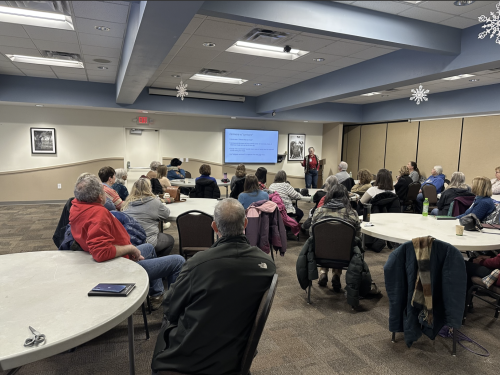
Carol facilitated her first Lecture this week and it was a smashing success with many kudos sent her way by attendees! If you would like to attend a future session, please sign up for the event in Better Impact! Arrival information is sent out 2-3 days before the event with all the logistic information.
Schedule and Topics:
- Tuesday January 14, 2025 – Cat-like Carnivores
- If you missed the lecture, or would like to review the material, check out the link below
- Trosset 202501 Cat-Like Carnivores.pdf
- Tuesday February 11, 2025 – Vernal Pools
- If you missed the lecture, or would like to review the material, check out the link below
- 202502 Trosset Vernal Pools.pdf
- Thursday March 13, 2025 – Dog-like Carnivores
- The suborder Caniformia includes wolves, foxes, weasels, bears, and more. We’ll discuss their defining characteristics, then visit several zoo habitats to observe seven species on display.
- Trosset 202503 Dog-Like Carnivores.pdf
- Thursday April 10, 2025 – Woodland Wildflowers
- Cincinnati’s woodlands are home to many species of wildflowers, which bloom in the early spring before the trees leaf out. We will examine the different types of spring wildflowers, their ecology, and their blooming sequence.
- 202504 Wildflowers.pdf
- Tuesday May 13, 2025 – Introduction to Birdwatching
- Early May brings many migratory birds to Cincinnati. We’ll cover key features for identifying bird species, followed by birdwatching on zoo grounds. Bring binoculars if you can; a limited number will be available to borrow.
- 202505 Birdwatching.pdf
- Thursday June 12, 2025 – Primates **DATE CHANGE**
- Primates are categorized into prosimians, Old World monkeys, New World monkeys, and apes—all represented at the zoo. We’ll discuss their similarities and differences, then observe members of each group on exhibit.
Sign up for all lectures in Better Impact through the end of the year! Please RSVP by registering in the system. If you can’t attend, we’ll aim to record and share the lecture portion with all volunteers. We hope to see you there!