

Volunteer Opportunities & Updates
Happy Holidays from the Cincinnati Zoo & Botanical Garden!

As we reflect on another remarkable year, we are filled with gratitude for the incredible contributions of our 498 amazing adult volunteers. Your unwavering dedication, countless hours of service, and genuine passion for our mission have made a profound impact—not just on our animals and plants, but on every visitor who steps through our gates. From creating memorable experiences for guests to supporting our conservation efforts behind the scenes, you are truly the heart of what makes this place so special.
Thank you for being such an invaluable part of our Zoo family. Wishing you and your loved ones a joyful holiday season filled with warmth, happiness, and love, and a new year full of exciting possibilities!
**********
Hydroponics Assistant Volunteers Wanted!

The Sustainability Team is looking for a couple more hydroponics volunteers to help us out on Thursdays or Mondays. The Cincinnati Zoo grows nutrient-rich produce for animals using vertical hydroponic farming containers. Volunteers assist with harvesting, transplanting, cleaning, and data collection while gaining hands-on experience in hydroponics and indoor growing.
Click Here to Read the Position Description & Click Here to Apply
Zoo Updates
#1 for 7 Years and Counting
**********
We Won the Solar Builder Project of the Year!

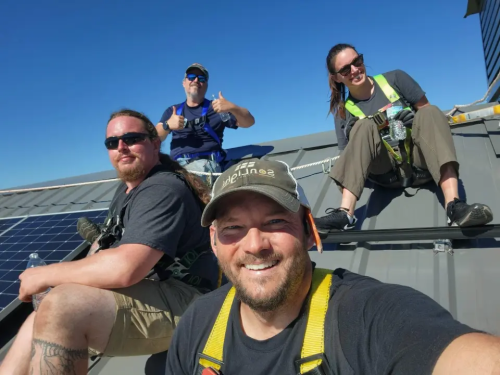
The Sustainability Team has some exciting news to share. The Cincinnati Zoo & Botanical Garden has won Solar Builder Project of the Year for our 2.8 MW Solar carport on the Euclid Lot! Click the link down below to learn more about this amazing project and how this project helps us get closer to our net zero goals. Many thanks to our partners at Melink for this innovative design and for the promotion of our arrays to the public and within the solar community!
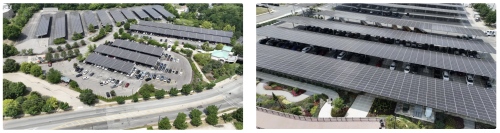
Click the Link below to learn more:
**********
Solar on the BLOC- Horses on the Hill
As an arm of BLOC Ministries, HOTH is a special farm located in East Price Hill, serving economically disadvantaged youth, families, abused women, and individuals in recovery. Through nature-based and equine-assisted therapy, as well as urban farming services, HOTH is dedicated to making a positive impact in the lives of those in need. The program uses the healing power of nature and animals to help individuals heal, grow, and build brighter futures.
The Cincinnati Zoo has long supported HOTH, donating hay and native plants to further their mission. Now, with the new solar array, this partnership is reaching new heights. Click the link down below to read more on the amazing work that Horses on the Hill does!
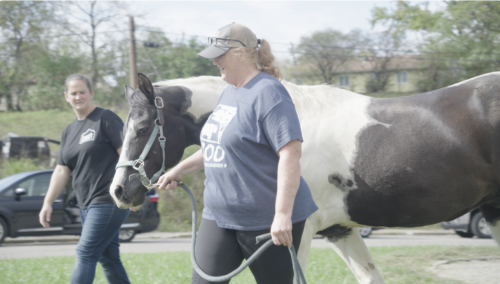
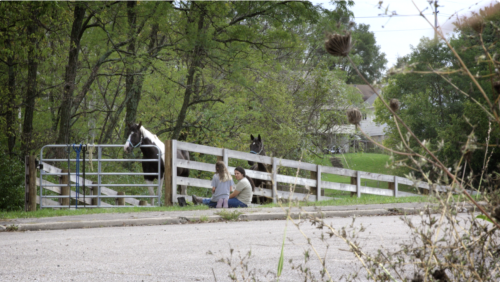
Click here to read more on the amazing work that Horses on the Hill does! http://www.onebloc.org/horses-on-the-hill
Seeds of Change Grant + Donated Services + Donated Panels
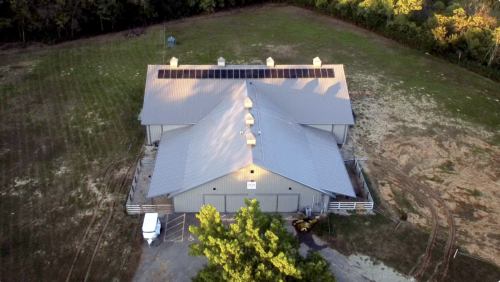
With guidance from the CZBG Sustainability team, SonLight Power applied for and was rewarded the Seeds of Change grant from Cincinnati’s Office of Environmental Sustainability (OES), completing the funding for the solar array. Additional support came from the Johnson Charitable Gift Fund and proceeds from “behind-the-scenes” Sustainability tours at the Zoo.
The Zoo also donated 28 solar panels and project coordination services, while B & J Electric contributed permitting and engineering services. This collaborative project reduces HOTH’s carbon footprint and powers their vital community programs, sustainably.
We are so grateful for our partners and their collective effort to make a lasting impact. Check out the link on the right to learn more about the meaningful impacts of this solar array for HOTH!
https://www.sonlightpower.org/news/horses-on-the-hill
What’s Next?
This solar array is just the beginning, and we look forward to seeing how it will help Horses on the Hill continue its mission and serve even more individuals in need, while staying in close contact to assess its impact on their utility usage and bills.
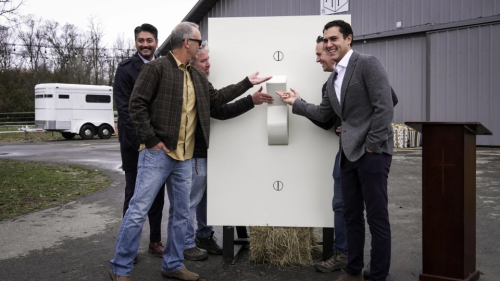
On Monday, December 9th, we celebrated this accomplishment with speeches from Cincinnati Mayor Aftab Pureval, Ohio Representative Dani Isaacsohn, our program visionary, Mark Fisher + our key partners.
We switched the light up as we embark on this journey with community solar. Stay tuned for more updates on larger community projects in 2025!
***********
PNC Festival of Lights: After Glow ✨
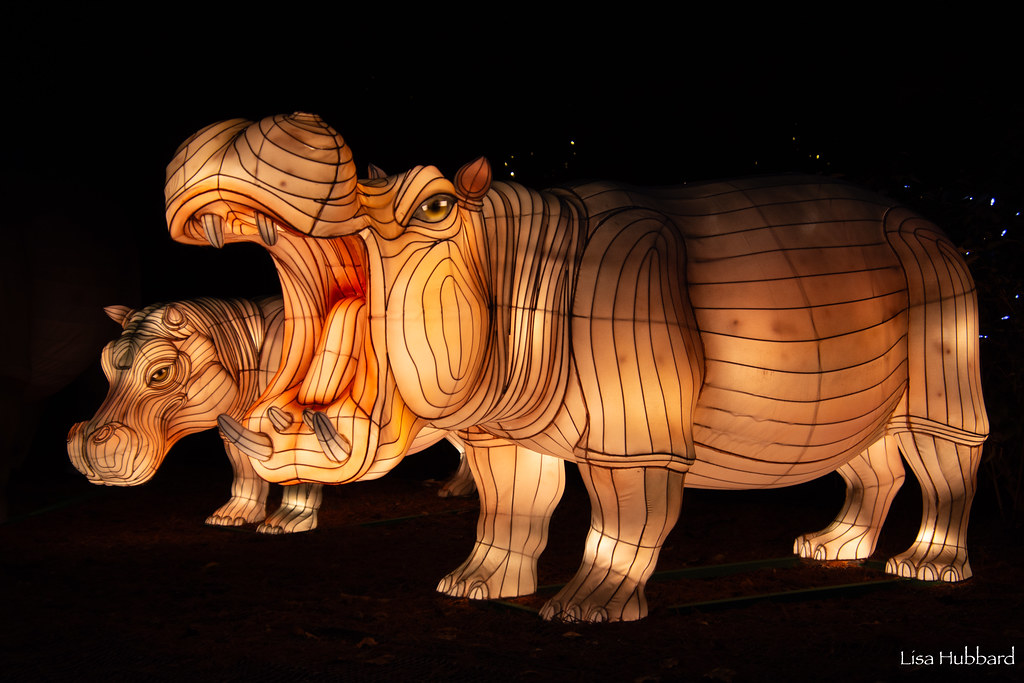
On Friday, January 10th, 2025, we’re keeping the lights on for one last adults-only (18+) evening at the PNC Festival of Lights: After Glow from 5pm – 10pm. Guests will get the chance to explore the Zoo in a child-free environment and visit select animal habitats at a discounted rate. Specialty drinks and snacks will be available for purchase.
- Adults (18+): $20
- Students: $10
- Members: Free
For more information about After Glow, click the link below!
After Glow – Cincinnati Zoo & Botanical Garden
Bundle up and enjoy the glow of Cincinnati Zoo & Botanical Garden’s spectacular lights display post-holiday! On Friday, January 10, 2025, we’re keeping the lights on for one last adults-only (18+) evening at After Glow: : Adults-Only Night at the Zoo…
Please note: The PNC Festival of Lights will end on Sunday, January 5th. The Zoo will close at 5pm from Monday, January 6th – Thursday, January 9th.
************
Access for All Webpage Update
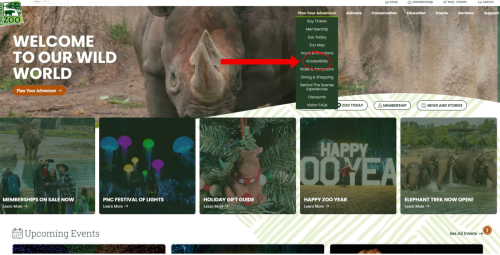
Just a small update regarding the Access for All page on the Zoo website:
Moving forward, you’ll notice that the “Plan Your Adventure” tab and the “Quick Links” section on the website now say “Accessibility” instead of “Access for All.” This change aims to make it easier for guests unfamiliar with our program to locate accessibility information on our website. We will continue to refer to our accessibility program as the Access for All program.

***********
Ring in the New Year at the Cincinnati Zoo!
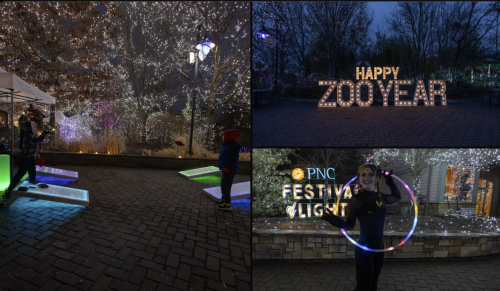
Happy Zoo Year takes place on Dec 31 with a kid-friendly, early countdown at 8pm featuring the Zoo’s 40-foot tall digital tree. https://cincinnatizoo.org/events/happy-zoo-year/
Plant & Animal Updates
Baby Cheetah Update:
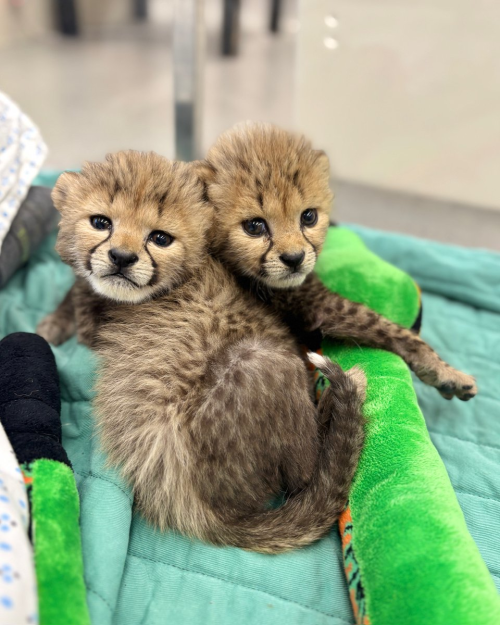
Cheetah cubs have a thick mantle down their back. The mantle helps camouflage the cubs.
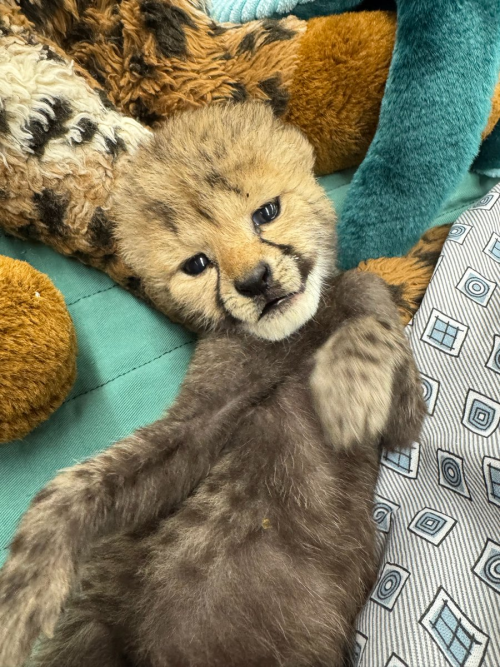
Cheetahs have distinctive black tear stripes run from the eyes to the mouth. The stripes are thought to protect the eyes from the sun’s glare.
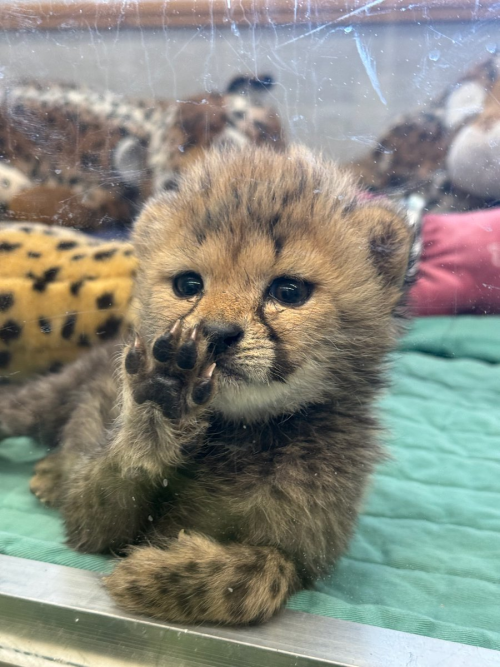
Cheetahs’ foot pads are hard and less rounded than the other cats. The pads function like tire treads providing them with increased traction in fast, sharp turns.
Cheetahs have unique spot patterns, similar to human fingerprints, as well as excellent daytime eyesight, allowing them to spot prey from three miles away.
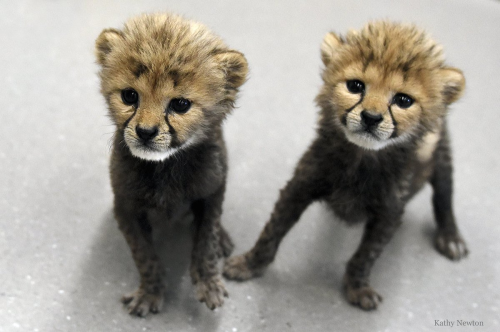
Cheetahs have claws, which are considered semi-retractable, that work like the cleats of a shoe to grip the ground for traction when running to help increase speed.
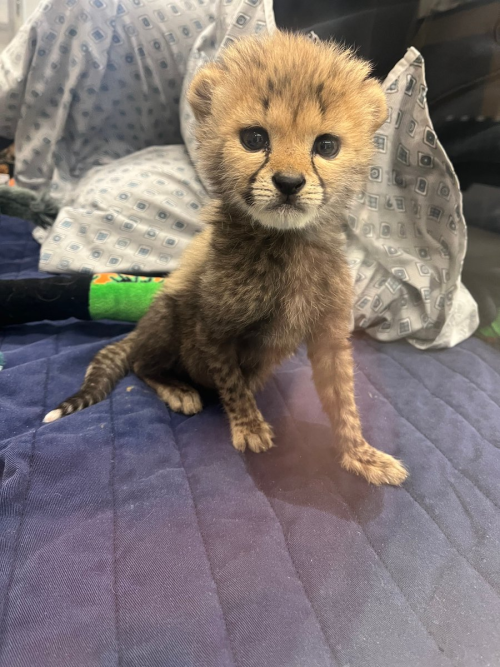
Cheetahs are visual hunters. Cheetahs can see up to 3 miles in perfect vision!
———
This blog introduces the third cub that was in Zola and Lulu’s litter. We didn’t originally mention the third cub, since she is destined to go to another Zoo and they want to make their own announcements. However, because all three cubs may be socializing together in a public space and it’s increasingly difficult to exclude the third from photos, it seemed necessary to let the public know about the third in case they see her.
***********
Hippo Ears
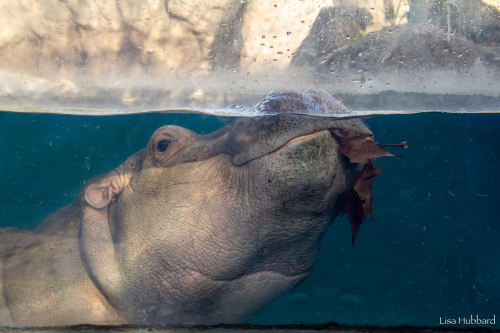
Hippos’ ears are specifically adapted to their semi-aquatic lifestyle. When hippo heads are below water, they usually have their ears angled backwards, which is thought to act like a valve and close off their ear canal to water entering in.
**********
12/10 – Birthdays
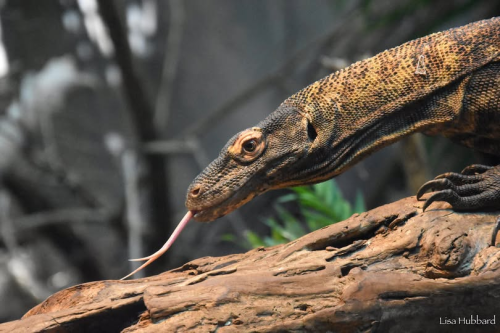
Happy 6th Birthday to Aegon the Komodo dragon.
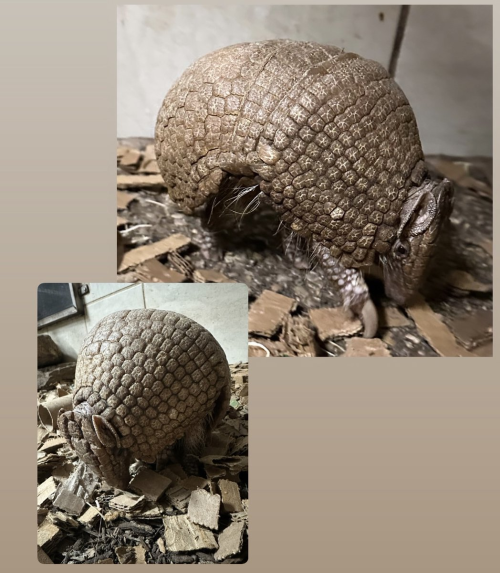
Birthday Twins! Mataco the 3 banded armadillo and Bengals’ QB Joe Burrow both turned 28 on December 10th!
***********
A Sad Goodbye to Tommy T
************
Mushu
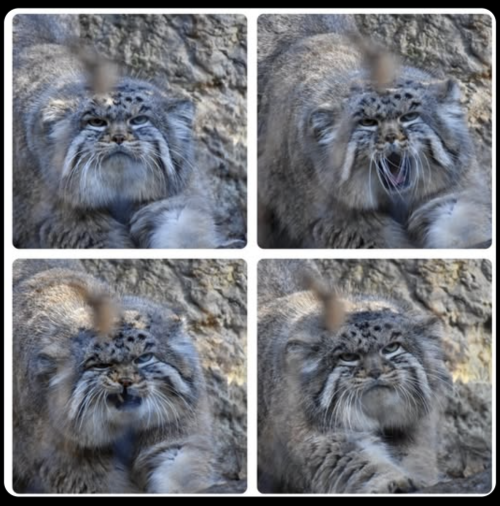
The many faces of Mushu the Pallas’s cat, the original grumpy cat.
12/17 Birthday
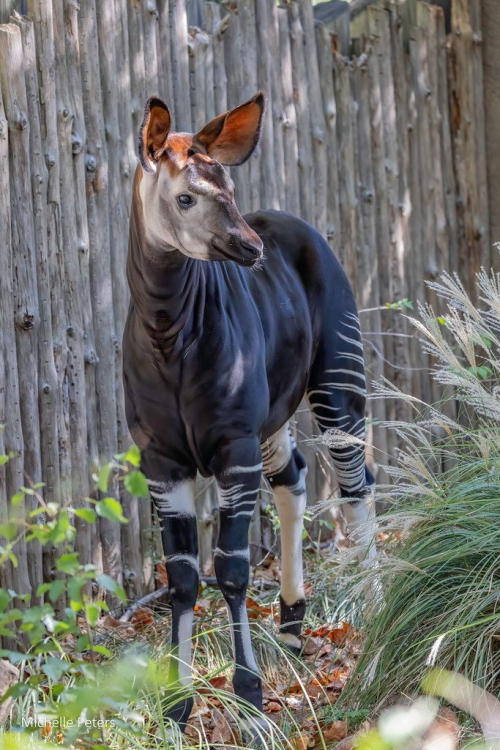
Happy 1st Birthday to Mokonzi the okapi.
************
CREW Updates
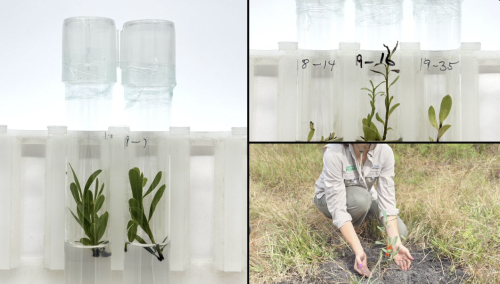
CREW’s Plant Research Division recently received an exciting update from Bok Tower Gardens in Florida about our efforts to help restore the endangered Rugel’s Pawpaw! Since 2019, 60 plants have thrived, reaching the size needed for outplanting! https://cincinnatizoo.org/from-lab-to-landscape-saving-rugels-pawpaw/
Conservation Corner
Help us Save Monarchs!
The U.S. Fish and Wildlife Service is considering listing the monarch butterfly as a threatened species and is inviting you to play a vital role. Share your thoughts by submitting a public comment by March 12, 2025.
Click the link below to learn more and take action!
***********
Protecting the Pride:
Celebrate Disney’s Mufasa: The Lion King, in theaters Friday! Protect the Pride! Actions big or small can help make a difference for lions and communities across Africa. Ways to help:
Celebrate Disney’s Mufasa: The Lion King, in theaters tomorrow! Since Disney’s The Lion King was first released in theaters 25 years ago, we have lost half of Africa’s lions, but we believe there is hope for lions to recover!
***********
New Addition to CREW’s Polar Bear Signature Project!
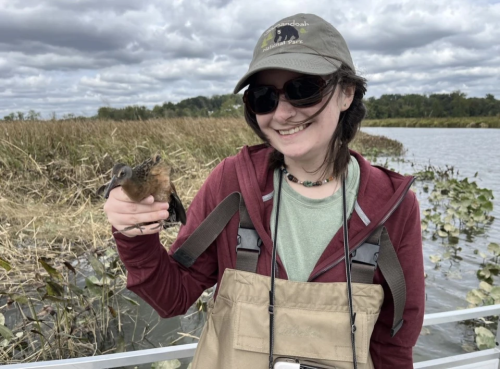
Please join CREW in welcoming Maya Beumer, our newest Berghamer Scholar who will be lending support to the Polar Bear Signature Project!
Maya is a recent graduate of George Mason University with a B.S. in Environmental Science. She also completed the Wildlife Ecology and Conservation program at the Smithsonian-Mason School of Conservation. Maya comes to us with valuable hands-on experience in wildlife research. During her time as a research assistant at the Smithsonian National Zoo & Conservation Biology Institute, she worked on a project investigating the links between stress physiology and gastrointestinal health in red panda fecal samples (and, yes, she worked with samples from Lin, Audra, and Lenore!), gaining experience in sample processing, hormone extraction, and data analysis—skills that will directly support our ongoing efforts. In addition to her laboratory experience, her field experience includes diverse wildlife monitoring techniques, such as acoustic bat surveys, radio telemetry, and camera trap deployment.
Through funding from the Berghamer Foundation, Maya will receive training in conservation methodologies currently used by CREW scientists, and she will be assisting Drs. Emily Virgin, Erin Curry, and USGS scientists by compiling and organizing health data from zoo polar bear medical records. Since this research will help us better understand and diagnose health issues in wild populations, Maya’s role in this project will contribute meaningfully to polar bear conservation.
***********
Energy Efficiency – How to Save Money and the Planet
Article by Quincy Ipsaro, Sustainability Coordinator:
With climate change causing unpredictable trends and changes in weather patterns, it is becoming increasingly difficult to maintain a consistent ambient temperature at work and at home. This also means that it will be even more challenging to make the buildings we inhabit energy efficient. Energy efficiency improvements and habitual changes at work and at home will help maintain comfortable indoor temperatures amidst extreme temperature fluctuations and will save you money on your energy bill each month. Lowering our energy consumption has never been more important
Recent news from the Cincinnati Enquirer reports that, “Over the next three years, energy prices from Duke Energy are set to increase cumulatively by 6.5%.” On average, Duke Energy customers pay $173.40 per month, but with these rate increases, this could mean a price increase of $135 per year on your energy bill. Duke Energy isn’t the only one raising prices. PJM, a wholesale electricity supplier, also announced price increases at an astronomical rate of over 800% due to the inability to keep up with demand.
Follow the lead of the Zoo:
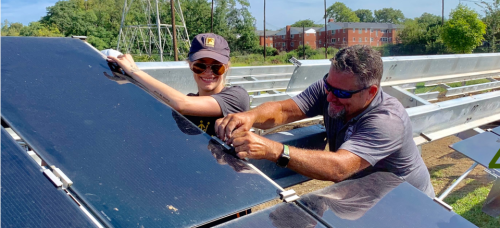
One way the Zoo is reducing our energy consumption and emissions is by working to streamline our utility data collection and analysis to reduce our natural resource use. The sustainability team now meets monthly with facilities staff to review any anomalies in the data and determine what might be the cause. For example, in the last three months, we identified and fixed two leaks in the Lorikeet exhibit and have already reduced Lorikeet water use by over 100,000 gallons in less than a month. The less water we pump around the Zoo, the less energy we use! By reducing our energy and water usage and switching to forms of renewable energy, like solar, we are not only saving money on the Zoo’s energy bill but also reducing the amount of greenhouse gases released to create the electricity we use every day. To learn more about the Zoo’s emissions tracking and reduction efforts, you can visit this previous Vine post.
The Zoo is also combating the rise in energy prices by utilizing multiple on-campus solar arrays totaling over 4.55 MW of on-site solar capacity and by exploring ways we can store the excess energy produced by our arrays to reduce our energy bill throughout the year. Even during the Festival of Lights, the Zoo is lowering our energy usage by 80% by using only LED light strips compared to other light alternatives. There are also ways staff can contribute to energy efficiency through habitual changes both at work and at home.
How to Lower Energy Use at Home:
- Turning off lights that are not on a timer.
- Operate ceiling fans in a clockwise direction to push warm air back down into the room.Lowering thermostat temperatures by 10% when asleep and when you leave home.
- Conducting heating systems maintenance and checks regularly.
- Detecting and addressing any air leaks and drafts in the home.
- Caulking, sealing, and weatherstripping all seams, cracks, and openings to the outside can save you up to 20% on your heating and cooling bills.
- Replacing furnace and heating system filters regularly and ensuring these systems are serviced routinely.
Your home energy bill, as well as services like weatherproofing your home and having your heating systems serviced, can get expensive. In fact, 1 in 4 Cincinnati homes pay more than 6% of their income on utility bills, which is the threshold for what is considered “Energy Burdened.”
Another way the Zoo is helping to reduce the energy burden on the surrounding communities is through our Community Solar Resiliency Program, in which we work with community organizations to install solar arrays at their facilities. The Zoo provides technical assistance, partnerships, and helps source funding and in-kind donations for these efforts to redirect utility savings into their mission-critical work, build organizational capacity, and further serve our communities.
Luckily, there are many resources to help combat the rise in energy prices, for both homeowners and renters, so you can save money this winter:
- Energy Services Application – Offers FREE home weatherization.
- Home Energy Assistance Program – Helps pay part of your heating bills if you qualify as a low-income household.
- HEAP Winter Crisis Program – Helps income eligible Ohioans that are threatened with disconnection, have been disconnected, need to establish new service, or need to pay to transfer service.
- Percentage of Income Payment Plan Plus (PIPP Plus) – Customers pay a percentage of their income regardless of their monthly usage. Old energy debts may be forgiven.
- Share the Light Fund – Helps individuals and families struggling to pay their energy bills.
- Electric Partnership Plan (EPP) – Helps eligible Ohioans reduce their electricity usage in their home through audits and the installation of energy efficient measures.
- Home Weatherization Assistance Program (HWAP) – Provides Ohioans with a home inspection to identify the services necessary to improve their home’s energy efficiency.
For additional assistance and resources visit 211.org or call 800.544.6900.
Click here to apply for any of the Ohio Energy Assistance Programs.
Click here for a list of Home Energy Assistance Providers.
Looking to upgrade heating and cooling systems and home appliances or adding EV Chargers to your home to save money? There are tax credits and resources available to help cover the cost!
For a step-by-step guide on what qualifies, how much you can save, and how to apply go to U.S. Department of Energy Clean Energy Tax Credits for Consumers.
Home Energy Savings Program– COMING SOON in 2025 and will provide rebates for retrofitting household heating and cooling systems as well as things like electric stoves and clothes dryers.
You can find more information on ways to reduce your energy bill at home in this article posted by the Sustainability team last year. These tips and tricks are a great way to be more conscious of energy consumption and where you could be losing money from energy inefficiencies.
In Case You Missed It
The Giving Tree:
Are you looking for a way to give to the Zoo this season? CREW has officially shared information about the annual tradition of The Giving Tree:
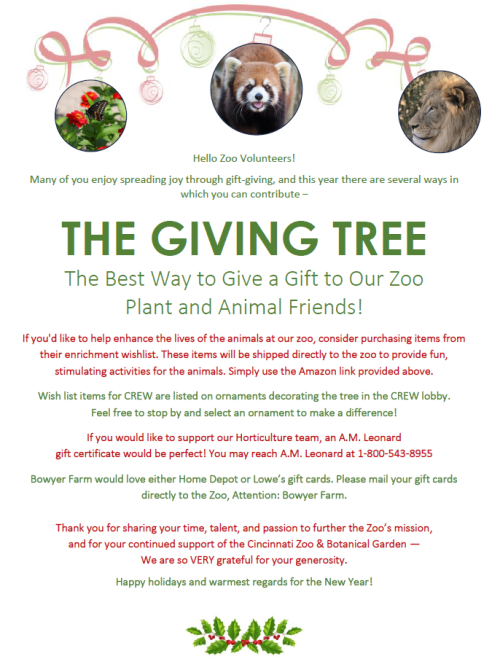
Click here for the active link to Amazon.
***********
New for 2025: Natural History Lecture Series for Volunteers

We’re thrilled to share that one of our dedicated volunteers has generously offered to host a Natural History Lecture Series for our volunteer community!
This engaging series will explore fundamental natural history topics, including fascinating insights into zoo animals and wildlife native to the Cincinnati area. Each month, we’ll dive into a unique theme, such as:
- The distinctive characteristics of related species,
- Animal adaptations to various habitats,
- Animal behavior,
- And plant ecology.
Each two-hour session will feature an illustrated lecture, followed by a hands-on observation experience right here on zoo grounds (most months). No prior knowledge is needed—just your curiosity and enthusiasm!
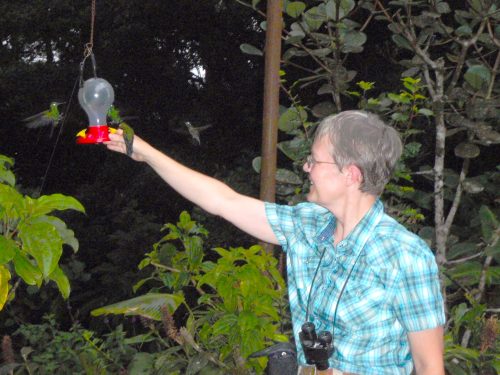
All lectures in the series will be presented by Carol Trosset:
Carol Trosset grew up in Cincinnati and spent the early 1970s studying natural history as a member of the Zoo’s legendary Junior Zoologists’ Club (along with the late Doug Feist). Throughout her career in cultural anthropology and education research, she continued to pursue her interest in nature through field trips, travel, coursework, and volunteer work. As an educator, she has worked as a college professor and volunteered as a Minnesota Master Naturalist instructor. Carol has returned to Cincinnati in retirement and is the author of The Woods: The Natural History of an Acre in Southwestern Ohio (2023). She manages the Trosset Wildflower Sanctuary at Gorman Heritage Farm and volunteers for the Cincinnati Zoo and for Great Parks.
Schedule and Topics:
- Tuesday January 14, 2025 – Cat-like Carnivores
- The suborder Feliformia includes not just big and small cats but also hyenas, meerkats, and other species. We’ll explore the traits that unify and distinguish these groups, followed by visits to Night Hunters and Cat Canyon to observe about a dozen species on exhibit.
- Tuesday February 11, 2025 – Vernal Pools
- Vernal pools are temporary wetlands found in deciduous woodlands, including those in Cincinnati. These habitats support a range of invertebrates and provide breeding grounds for salamanders and other amphibians. We’ll also learn about the Zoo’s conservation efforts at Bowyer Farm.
- Thursday March 13, 2025 – Dog-like Carnivores
- The suborder Caniformia includes wolves, foxes, weasels, bears, and more. We’ll discuss their defining characteristics, then visit several zoo habitats to observe seven species on display.
- Thursday April 10, 2025 – Woodland Wildflowers
- Cincinnati’s woodlands are home to many species of wildflowers, which bloom in the early spring before the trees leaf out. We will examine the different types of spring wildflowers, their ecology, and their blooming sequence.
- Tuesday May 13, 2025 – Introduction to Birdwatching
- Early May brings many migratory birds to Cincinnati. We’ll cover key features for identifying bird species, followed by birdwatching on zoo grounds. Bring binoculars if you can; a limited number will be available to borrow.
- Friday June 13, 2025 – Primates
- Primates are categorized into prosimians, Old World monkeys, New World monkeys, and apes—all represented at the zoo. We’ll discuss their similarities and differences, then observe members of each group on exhibit.
Sign up for all lectures in Better Impact! Please RSVP by registering in the system. If you can’t attend, we’ll aim to record and share the lecture portion with all volunteers. We hope to see you there!